
2026 Reading Plan Reflections - Day 223
Held by the Root
Romans 11:1—24
“Don’t brag like you’re better than those branches. If you do brag, remember that you don’t sustain the root, but the root sustains you.” Romans 11:18 CEB
Paul begins Romans 11 with a question that has been building through the last two chapters: Has God rejected his people? His answer is immediate: absolutely not.
Paul can point to himself as evidence. He is an Israelite, a descendant of Abraham, a member of the tribe of Benjamin, and a follower of Jesus. Whatever Israel's widespread rejection of the gospel may mean, it can't mean that God has abandoned the people God called. Paul reaches back to Elijah to make the point.
Elijah once believed he was the only faithful person left in Israel. After the victory at Mount Carmel, everything seemed to collapse. Jezebel threatened his life, Elijah fled, and eventually he told God that he alone remained. But Elijah couldn't see the whole picture. God could.
There were still thousands who had not bowed to Baal. What looked to Elijah like the end of the story wasn't the end at all.
Paul sees something similar happening in his own day. Many of his fellow Jews have rejected Jesus as Messiah, and Paul has already told us how deeply this grieves him. Yet there is still a remnant—not because they have somehow earned their place, but because of grace.
Paul isn't trying to reassure himself by saying, "At least a few people got it right." His confidence rests in the faithfulness of God. Even when circumstances appear discouraging, God's grace is still at work in ways we may not be able to see.
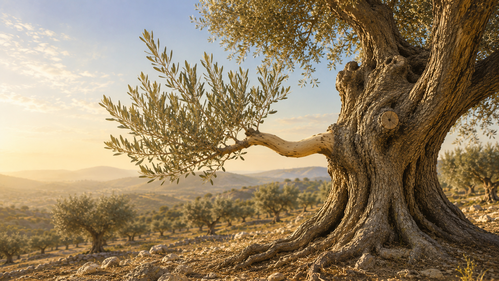
But Paul doesn't allow that encouragement to become complacency, especially for the Gentile believers in Rome. His image changes from a remnant to an olive tree. Some natural branches have been broken off, while branches from a wild olive tree have been grafted in. The Gentile Christians are those wild branches. They now share in the nourishment of the same root.
And then comes the warning: don't boast over the other branches.
The Gentiles haven't replaced Israel because they were wiser, more faithful, or more deserving. They have been brought into God's covenant family through sheer grace. They aren't supporting the root. The root is supporting them... that should produce humility.
Paul seems to recognize how quickly grace can be turned into privilege. We receive what we could never earn, and before long we begin acting as though it belonged to us all along. We become comfortable inside the family of God and start deciding who deserves to be there. Grace becomes something we celebrate for ourselves while quietly withholding hope from someone else. Paul won't allow it.
If we stand, we stand by faith. If we've been grafted into God's people, it is because God has been astonishingly kind. And if God has grafted wild branches into the tree, then we should never imagine that God is incapable of restoring branches that have been broken off.
Paul's warning is especially important for the Church. Romans 11 gives us no room for contempt toward the Jewish people or for any Christian claim that we have somehow become superior to them. The story we have entered began long before us. We worship Israel's Messiah, read Israel's Scriptures, and have been welcomed by grace into the promises of Israel's God.
Our place in the tree should make us grateful, not arrogant. Who have we decided is probably beyond God's reach? Whose unbelief, resistance, failure, or distance from God have we begun treating as permanent?
Paul looks at a situation that causes him tremendous grief, and he still refuses to surrender hope. The same God who surprised Elijah is still at work. The same grace that brought outsiders near is still capable of restoration.
So there are two temptations to resist in this passage. Despair says, "God can't possibly do anything with this." Pride says, "God chose us because we're somehow better." Grace dismantles both.
We don't know everything God is doing beneath the surface. We don't get to declare someone else's story finished. And we certainly don't get to boast about a place in God's family that was given to us as a gift.
We remain dependent upon the grace that brought us in. And because that grace is still at work, we can remain humble about ourselves and hopeful for others.
Paul can point to himself as evidence. He is an Israelite, a descendant of Abraham, a member of the tribe of Benjamin, and a follower of Jesus. Whatever Israel's widespread rejection of the gospel may mean, it can't mean that God has abandoned the people God called. Paul reaches back to Elijah to make the point.
Elijah once believed he was the only faithful person left in Israel. After the victory at Mount Carmel, everything seemed to collapse. Jezebel threatened his life, Elijah fled, and eventually he told God that he alone remained. But Elijah couldn't see the whole picture. God could.
There were still thousands who had not bowed to Baal. What looked to Elijah like the end of the story wasn't the end at all.
Paul sees something similar happening in his own day. Many of his fellow Jews have rejected Jesus as Messiah, and Paul has already told us how deeply this grieves him. Yet there is still a remnant—not because they have somehow earned their place, but because of grace.
Paul isn't trying to reassure himself by saying, "At least a few people got it right." His confidence rests in the faithfulness of God. Even when circumstances appear discouraging, God's grace is still at work in ways we may not be able to see.
But Paul doesn't allow that encouragement to become complacency, especially for the Gentile believers in Rome. His image changes from a remnant to an olive tree. Some natural branches have been broken off, while branches from a wild olive tree have been grafted in. The Gentile Christians are those wild branches. They now share in the nourishment of the same root.
And then comes the warning: don't boast over the other branches.
The Gentiles haven't replaced Israel because they were wiser, more faithful, or more deserving. They have been brought into God's covenant family through sheer grace. They aren't supporting the root. The root is supporting them... that should produce humility.
Paul seems to recognize how quickly grace can be turned into privilege. We receive what we could never earn, and before long we begin acting as though it belonged to us all along. We become comfortable inside the family of God and start deciding who deserves to be there. Grace becomes something we celebrate for ourselves while quietly withholding hope from someone else. Paul won't allow it.
If we stand, we stand by faith. If we've been grafted into God's people, it is because God has been astonishingly kind. And if God has grafted wild branches into the tree, then we should never imagine that God is incapable of restoring branches that have been broken off.
Paul's warning is especially important for the Church. Romans 11 gives us no room for contempt toward the Jewish people or for any Christian claim that we have somehow become superior to them. The story we have entered began long before us. We worship Israel's Messiah, read Israel's Scriptures, and have been welcomed by grace into the promises of Israel's God.
Our place in the tree should make us grateful, not arrogant. Who have we decided is probably beyond God's reach? Whose unbelief, resistance, failure, or distance from God have we begun treating as permanent?
Paul looks at a situation that causes him tremendous grief, and he still refuses to surrender hope. The same God who surprised Elijah is still at work. The same grace that brought outsiders near is still capable of restoration.
So there are two temptations to resist in this passage. Despair says, "God can't possibly do anything with this." Pride says, "God chose us because we're somehow better." Grace dismantles both.
We don't know everything God is doing beneath the surface. We don't get to declare someone else's story finished. And we certainly don't get to boast about a place in God's family that was given to us as a gift.
We remain dependent upon the grace that brought us in. And because that grace is still at work, we can remain humble about ourselves and hopeful for others.
Faith In Action
Think of one person or group you've quietly begun to regard as spiritually unreachable. Pray specifically for them today, asking God to replace resignation or judgment in you with humble, patient hope.
Today's Prayer
Gracious God, thank you for welcoming us into your people through a grace we could never earn. Forgive us when gratitude becomes entitlement, when confidence becomes arrogance, or when disappointment causes us to give up on people you still love. Keep us rooted in Christ and dependent upon your grace. Give us Paul's sorrow for those who are far from you without allowing that sorrow to become despair. Teach us to trust that you are still working, even when we cannot see what you are doing. Make us humble in our faith, generous in our hope, and faithful in our witness. Amen.
Posted in Bible Reading Plan 2026
Recent
Categories
Archive
2026
January
My Word for the Year... LIGHT2026 Reading Plan Reflections - Day 12026 Reading Plan Reflections - Day 22026 Reading Plan Reflections - Day 32026 Reading Plan Reflections - Day 42026 Reading Plan Reflections - Day 5Welcome to 2026 - New Resources2026 Reading Plan Reflections - Day 62026 Reading Plan Reflections - Day 72026 Reading Plan Reflections - Day 8New Year Prayer Focus2026 Reading Plan Reflections - Day 92026 Reading Plan Reflections - Day 102026 Reading Plan Reflections - Day 112026 Reading Plan Reflections - Day 122026 Reading Plan Reflections - Day 132026 Reading Plan Reflections - Day 142026 Reading Plan Reflections - Day 152026 Reading Plan Reflections - Day 16Darkness and Light2026 Reading Plan Reflections - Day 172026 Reading Plan Reflections - Day 182026 Reading Plan Reflections - Day 192026 Reading Plan Reflections - Day 202026 Reading Plan Reflections - Day 212026 Reading Plan Reflections - Day 222026 Reading Plan Reflections - Day 232026 Reading Plan Reflections - Day 242026 Reading Plan Reflections - Day 252026 Reading Plan Reflections - Day 262026 Reading Plan Reflections - Day 272026 Reading Plan Reflections - Day 282026 Reading Plan Reflections - Day 292026 Reading Plan Reflections - Day 30Together as the Body of Christ2026 Reading Plan Reflections - Day 31
February
2026 Reading Plan Reflections - Day 322026 Reading Plan Reflections - Day 332026 Reading Plan Reflections - Day 342026 Reading Plan Reflections - Day 352026 Reading Plan Reflections - Day 362026 Reading Plan Reflections - Day 37This Shouldn’t Need to Be Said...2026 Reading Plan Reflections - Day 382026 Reading Plan Reflections - Day 392026 Reading Plan Reflections - Day 402026 Reading Plan Reflections - Day 412026 Reading Plan Reflections - Day 422026 Reading Plan Reflections - Day 432026 Reading Plan Reflections - Day 442026 Reading Plan Reflections - Day 452026 Reading Plan Reflections - Day 462026 Reading Plan Reflections - Day 472026 Reading Plan Reflections - Day 482026 Reading Plan Reflections - Day 492026 Reading Plan Reflections - Day 502026 Reading Plan Reflections - Day 512026 Reading Plan Reflections - Day 522026 Reading Plan Reflections - Day 532026 Reading Plan Reflections - Day 542026 Reading Plan Reflections - Day 552026 Reading Plan Reflections - Day 562026 Reading Plan Reflections - Day 572026 Reading Plan Reflections - Day 582026 Reading Plan Reflections - Day 59
March
2026 Reading Plan Reflections - Day 602026 Reading Plan Reflections - Day 612026 Reading Plan Reflections - Day 622026 Reading Plan Reflections - Day 632026 Reading Plan Reflections - Day 642026 Reading Plan Reflections - Day 652026 Reading Plan Reflections - Day 662026 Reading Plan Reflections - Day 672026 Reading Plan Reflections - Day 682026 Reading Plan Reflections - Day 692026 Reading Plan Reflections - Day 702026 Reading Plan Reflections - Day 712026 Reading Plan Reflections - Day 722026 Reading Plan Reflections - Day 732026 Reading Plan Reflections - Day 742026 Reading Plan Reflections - Day 752026 Reading Plan Reflections - Day 762026 Reading Plan Reflections - Day 772026 Reading Plan Reflections - Day 782026 Reading Plan Reflections - Day 792026 Reading Plan Reflections - Day 802026 Reading Plan Reflections - Day 812026 Reading Plan Reflections - Day 822026 Reading Plan Reflections - Day 832026 Reading Plan Reflections - Day 84
April
2026 Reading Plan Reflections - Days 85 & 862026 Reading Plan Reflections - Day 872026 Reading Plan Reflections - Day 882026 Reading Plan Reflections - Day 892026 Reading Plan Reflections - Day 902026 Reading Plan Reflections - Day 912026 Reading Plan Reflections - Day 922026 Reading Plan Reflections - Day 932026 Reading Plan Reflections - Day 942026 Reading Plan Reflections - Day 95
No Comments