
2026 Reading Plan Reflections - Day 260
The Harvest of Grace
2 Corinthians 9
“God has the power to provide you with more than enough of every kind of grace. That way, you will have everything you need always and in everything to provide more than enough for every kind of good work.” 2 Corinthians 9:8 CEB
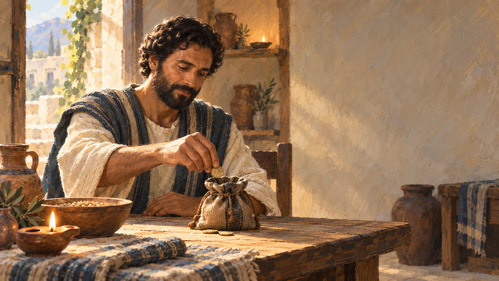
There is a difference between giving because we’ve been pressured and giving because grace has changed the way we see what we have. Paul cares about that difference.
The Corinthians had already committed themselves to the collection for believers in Jerusalem. Paul isn’t introducing a new obligation in chapter 9. He’s encouraging them to finish what they had already decided to do, and he wants them to complete it before he arrives.
Why? Because he doesn’t want their generosity to be squeezed out of them. Paul wants their gift to remain exactly that—a gift.
He tells them that it should be ready beforehand so that it will be received as something freely offered rather than something extracted under pressure. Then he gives us one of the best-known lines in the chapter: “Everyone should give whatever they have decided in their heart. They shouldn’t give with hesitation or because of pressure. God loves a cheerful giver" (2 Corinthians 9:7 CEB).
That verse sometimes gets isolated from everything around it, but Paul is describing something much bigger than having a positive attitude when the offering plate passes. He is describing what happens when grace reshapes our relationship with everything God has entrusted to us.
Paul reaches for the image of sowing. A farmer who scatters only a little seed shouldn’t expect much of a harvest. Generosity works differently from tightly clutching what we possess. What is released can bear fruit beyond itself. But we need to pay attention to what kind of harvest Paul has in mind.
He doesn’t tell the Corinthians, “Give money and God will make you wealthy.” Instead, he says God is able to provide abundantly so that they will have what they need and be equipped “for every good work.” God supplies seed to the sower, increases the harvest of righteousness, and enriches them so they can continue being generous. The blessing leads to more blessing.
Grace produces generosity, and generosity becomes another means through which grace reaches someone else. That movement has been underneath these chapters all along. The Corinthians aren’t being asked to rescue God’s work with their resources. God has already been at work. God has provided for them, formed them into a people belonging to Christ, and given them the opportunity to participate in caring for sisters and brothers they may never have met. Their giving is a response to grace.
Paul says their gift will meet real needs, but it won’t stop there. Their generosity will also produce thanksgiving to God. Believers in Jerusalem will receive help, recognize the grace of God at work through the Corinthians, and give thanks. The collection will even strengthen the bond between believers separated by geography, culture, and background.
Money becomes ministry. A gift becomes fellowship. Grace received in one place becomes thanksgiving in another. That is a much larger vision of Christian generosity than just meeting a budget or fulfilling an obligation.
Everything begins with God’s generosity. We have received life, salvation, forgiveness, hope, community, and every grace we know through Jesus Christ. Paul closes the chapter almost unable to contain the thought: “Thank God for his gift that words can’t describe!”
Before Paul asks us to consider what we’re giving, he reminds us to remember what we’ve received. That changes the question. Christian generosity isn’t primarily, “How much am I required to give?” It is, “How can the grace I’ve received become grace for someone else?”
That doesn’t mean giving carelessly or irresponsibly. Paul has actually spent considerable effort making sure this collection is planned, accountable, and ready ahead of time. Generosity can be thoughtful. It can be intentional. It can be decided beforehand rather than driven by guilt in the moment.
When grace is shaping us, our hands gradually become more open. We begin to see our money, possessions, time, and opportunities differently. They’re no longer things we must protect at all costs. They become gifts entrusted to us that can participate in what God is doing. And when we release them faithfully, the harvest may reach farther than we ever see.
Someone’s need is met. A relationship is strengthened. The Church becomes more visibly one. And somewhere, because grace moved through the open hands of God’s people, someone gives thanks to God. That is a harvest worth sowing toward.
The Corinthians had already committed themselves to the collection for believers in Jerusalem. Paul isn’t introducing a new obligation in chapter 9. He’s encouraging them to finish what they had already decided to do, and he wants them to complete it before he arrives.
Why? Because he doesn’t want their generosity to be squeezed out of them. Paul wants their gift to remain exactly that—a gift.
He tells them that it should be ready beforehand so that it will be received as something freely offered rather than something extracted under pressure. Then he gives us one of the best-known lines in the chapter: “Everyone should give whatever they have decided in their heart. They shouldn’t give with hesitation or because of pressure. God loves a cheerful giver" (2 Corinthians 9:7 CEB).
That verse sometimes gets isolated from everything around it, but Paul is describing something much bigger than having a positive attitude when the offering plate passes. He is describing what happens when grace reshapes our relationship with everything God has entrusted to us.
Paul reaches for the image of sowing. A farmer who scatters only a little seed shouldn’t expect much of a harvest. Generosity works differently from tightly clutching what we possess. What is released can bear fruit beyond itself. But we need to pay attention to what kind of harvest Paul has in mind.
He doesn’t tell the Corinthians, “Give money and God will make you wealthy.” Instead, he says God is able to provide abundantly so that they will have what they need and be equipped “for every good work.” God supplies seed to the sower, increases the harvest of righteousness, and enriches them so they can continue being generous. The blessing leads to more blessing.
Grace produces generosity, and generosity becomes another means through which grace reaches someone else. That movement has been underneath these chapters all along. The Corinthians aren’t being asked to rescue God’s work with their resources. God has already been at work. God has provided for them, formed them into a people belonging to Christ, and given them the opportunity to participate in caring for sisters and brothers they may never have met. Their giving is a response to grace.
Paul says their gift will meet real needs, but it won’t stop there. Their generosity will also produce thanksgiving to God. Believers in Jerusalem will receive help, recognize the grace of God at work through the Corinthians, and give thanks. The collection will even strengthen the bond between believers separated by geography, culture, and background.
Money becomes ministry. A gift becomes fellowship. Grace received in one place becomes thanksgiving in another. That is a much larger vision of Christian generosity than just meeting a budget or fulfilling an obligation.
Everything begins with God’s generosity. We have received life, salvation, forgiveness, hope, community, and every grace we know through Jesus Christ. Paul closes the chapter almost unable to contain the thought: “Thank God for his gift that words can’t describe!”
Before Paul asks us to consider what we’re giving, he reminds us to remember what we’ve received. That changes the question. Christian generosity isn’t primarily, “How much am I required to give?” It is, “How can the grace I’ve received become grace for someone else?”
That doesn’t mean giving carelessly or irresponsibly. Paul has actually spent considerable effort making sure this collection is planned, accountable, and ready ahead of time. Generosity can be thoughtful. It can be intentional. It can be decided beforehand rather than driven by guilt in the moment.
When grace is shaping us, our hands gradually become more open. We begin to see our money, possessions, time, and opportunities differently. They’re no longer things we must protect at all costs. They become gifts entrusted to us that can participate in what God is doing. And when we release them faithfully, the harvest may reach farther than we ever see.
Someone’s need is met. A relationship is strengthened. The Church becomes more visibly one. And somewhere, because grace moved through the open hands of God’s people, someone gives thanks to God. That is a harvest worth sowing toward.
Faith In Action
Think of one act of generosity you have already considered but haven’t yet completed. If you’re able, follow through today—freely and intentionally, not from guilt or pressure—and thank God for providing something you can share.
Today's Prayer
Jesus, everything we have ultimately comes to us as grace. Forgive us when fear makes us cling too tightly to what you have entrusted to us. Free us from giving out of guilt, pressure, or the desire to be noticed. Teach us instead to become generous because your generosity has changed us. Give us wisdom to use our resources faithfully and willing hearts to respond when you place an opportunity before us. May what we give meet real needs, strengthen your people, and lead others to thanksgiving. Form us into people whose open hands reflect the grace we have received from you. Amen.
Posted in Bible Reading Plan 2026
Recent
2026 Reading Plan Reflections - Day 260
September 17th, 2026
2026 Reading Plan Reflections - Day 259
September 16th, 2026
2026 Reading Plan Reflections - Day 258
September 15th, 2026
2026 Reading Plan Reflections - Day 257
September 14th, 2026
2026 Reading Plan Reflections - Day 256
September 13th, 2026
Categories
Archive
2026
January
My Word for the Year... LIGHT2026 Reading Plan Reflections - Day 12026 Reading Plan Reflections - Day 22026 Reading Plan Reflections - Day 32026 Reading Plan Reflections - Day 42026 Reading Plan Reflections - Day 5Welcome to 2026 - New Resources2026 Reading Plan Reflections - Day 62026 Reading Plan Reflections - Day 72026 Reading Plan Reflections - Day 8New Year Prayer Focus2026 Reading Plan Reflections - Day 92026 Reading Plan Reflections - Day 102026 Reading Plan Reflections - Day 112026 Reading Plan Reflections - Day 122026 Reading Plan Reflections - Day 132026 Reading Plan Reflections - Day 142026 Reading Plan Reflections - Day 152026 Reading Plan Reflections - Day 16Darkness and Light2026 Reading Plan Reflections - Day 172026 Reading Plan Reflections - Day 182026 Reading Plan Reflections - Day 192026 Reading Plan Reflections - Day 202026 Reading Plan Reflections - Day 212026 Reading Plan Reflections - Day 222026 Reading Plan Reflections - Day 232026 Reading Plan Reflections - Day 242026 Reading Plan Reflections - Day 252026 Reading Plan Reflections - Day 262026 Reading Plan Reflections - Day 272026 Reading Plan Reflections - Day 282026 Reading Plan Reflections - Day 292026 Reading Plan Reflections - Day 30Together as the Body of Christ2026 Reading Plan Reflections - Day 31
February
2026 Reading Plan Reflections - Day 322026 Reading Plan Reflections - Day 332026 Reading Plan Reflections - Day 342026 Reading Plan Reflections - Day 352026 Reading Plan Reflections - Day 362026 Reading Plan Reflections - Day 37This Shouldn’t Need to Be Said...2026 Reading Plan Reflections - Day 382026 Reading Plan Reflections - Day 392026 Reading Plan Reflections - Day 402026 Reading Plan Reflections - Day 412026 Reading Plan Reflections - Day 422026 Reading Plan Reflections - Day 432026 Reading Plan Reflections - Day 442026 Reading Plan Reflections - Day 452026 Reading Plan Reflections - Day 462026 Reading Plan Reflections - Day 472026 Reading Plan Reflections - Day 482026 Reading Plan Reflections - Day 492026 Reading Plan Reflections - Day 502026 Reading Plan Reflections - Day 512026 Reading Plan Reflections - Day 522026 Reading Plan Reflections - Day 532026 Reading Plan Reflections - Day 542026 Reading Plan Reflections - Day 552026 Reading Plan Reflections - Day 562026 Reading Plan Reflections - Day 572026 Reading Plan Reflections - Day 582026 Reading Plan Reflections - Day 59
March
2026 Reading Plan Reflections - Day 602026 Reading Plan Reflections - Day 612026 Reading Plan Reflections - Day 622026 Reading Plan Reflections - Day 632026 Reading Plan Reflections - Day 642026 Reading Plan Reflections - Day 652026 Reading Plan Reflections - Day 662026 Reading Plan Reflections - Day 672026 Reading Plan Reflections - Day 682026 Reading Plan Reflections - Day 692026 Reading Plan Reflections - Day 702026 Reading Plan Reflections - Day 712026 Reading Plan Reflections - Day 722026 Reading Plan Reflections - Day 732026 Reading Plan Reflections - Day 742026 Reading Plan Reflections - Day 752026 Reading Plan Reflections - Day 762026 Reading Plan Reflections - Day 772026 Reading Plan Reflections - Day 782026 Reading Plan Reflections - Day 792026 Reading Plan Reflections - Day 802026 Reading Plan Reflections - Day 812026 Reading Plan Reflections - Day 822026 Reading Plan Reflections - Day 832026 Reading Plan Reflections - Day 84
April
2026 Reading Plan Reflections - Days 85 & 862026 Reading Plan Reflections - Day 872026 Reading Plan Reflections - Day 882026 Reading Plan Reflections - Day 892026 Reading Plan Reflections - Day 902026 Reading Plan Reflections - Day 912026 Reading Plan Reflections - Day 922026 Reading Plan Reflections - Day 932026 Reading Plan Reflections - Day 942026 Reading Plan Reflections - Day 95
No Comments