
2026 Reading Plan Reflections - Day 294
The Goal Is Love
1 Timothy 1
“The goal of instruction is love from a pure heart, a good conscience, and a sincere faith.” 1 Timothy 1:5 CEB
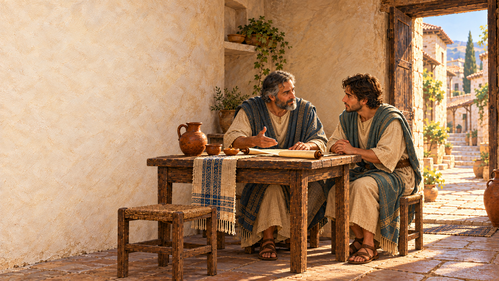
As we begin Paul's first letter to Timothy, we find the church at Ephesus facing a familiar challenge. Some people are teaching with great confidence, stirring up arguments, and insisting that others follow their understanding of the law. They're passionate about what they believe, but Paul is concerned that they've lost sight of what Christian teaching is supposed to accomplish.
He writes: “The goal of instruction is love from a pure heart, a good conscience, and a sincere faith.” (1 Timothy 1:5 CEB). That one sentence provides a foundation for much of what follows in this letter. It's also a valuable reminder for the Church (and for pastors) today.
We spend a great deal of time thinking about what we believe, and rightly so. Sound doctrine matters. Scripture matters. The truth of the gospel matters. But Paul reminds Timothy that faithful teaching has a purpose beyond making certain everyone knows the right answers. The truth we proclaim is meant to shape the people we're becoming. The goal is love.
Paul isn't suggesting that love should replace truth, or that sincere intentions are enough to make every belief acceptable. In fact, he's instructing Timothy to confront false teaching precisely because it threatens the spiritual health of the congregation.
But there is a difference between defending the truth for the sake of building up the Body of Christ and defending our own understanding because we want to win an argument. We can know a great deal about Scripture and still struggle to love the people sitting beside us. We can become so focused on correcting someone else's theology that we neglect what the Holy Spirit is trying to correct in our own hearts. That's a dangerous place for any Christian, especially those entrusted with teaching and leading others.
Paul continues by explaining that the law itself is good when used appropriately. God's commands help us recognize sin and understand the boundaries of holy living. But knowing what we're supposed to avoid doesn't necessarily teach us how to live the life God has called us to embrace. The gospel does something the law alone cannot accomplish. Through Jesus Christ, God offers the grace that forgives our sins and transforms our hearts, enabling us to live differently. And Paul knows this from personal experience.
In verses 12–17, he turns from discussing false teaching and the law to remembering his own story. Before becoming an apostle, Paul had persecuted the Church. He had been convinced that he was serving God, even as he opposed the very work God was accomplishing through Jesus Christ.
Paul had plenty of religious knowledge. He was devoted to what he believed was right. But his actions were working against God's purposes. Then he encountered the mercy of Christ.
Paul writes: “Our Lord's favor poured all over me along with the faithfulness and love that are in Christ Jesus” (1 Timothy 1:14). Paul's transformation wasn't the result of acquiring a little more religious information or improving his behavior through determination. It began with the grace and mercy of Jesus Christ. And that grace changed everything.
The man who had persecuted believers was entrusted with proclaiming the gospel. Someone who had once worked to destroy the Church became a servant committed to building it up. Paul points to his own life as evidence of Christ's extraordinary patience. If God's mercy could reach him, then no one should imagine themselves beyond the reach of that same grace.
This is an essential part of our understanding of holiness. God's grace doesn't leave us where it finds us. Grace awakens us, forgives us, and continues working within us through the Holy Spirit, forming our hearts and lives into the likeness of Christ.
And what does that transformation look like? We return to verse 5: love from a pure heart, a good conscience, and a sincere faith.
These aren't separate achievements we're supposed to collect along the way. They describe a life being brought into harmony with the God we profess to follow. Our convictions, our actions, and our relationships increasingly reflect the love of Christ.
Paul closes the chapter by urging Timothy to hold tightly to faith and a good conscience. He warns that some have rejected these things and shipwrecked their faith.
A ship can look impressive, carry valuable cargo, and have an experienced crew, but none of that matters if it loses its way and runs aground. The same is true of our faith. Religious knowledge, spiritual gifts, positions of leadership, and years of service cannot substitute for a heart continually surrendered to Christ.
As we begin these pastoral letters to Timothy and Titus, Paul's instruction gives us a standard against which to examine our discipleship, our teaching, and our life together as the Church.
Are we becoming people who know more about Jesus, or people who are becoming more like Jesus?
Of course, the two should never be separated. The more deeply we come to know Christ, the more fully his love should take shape in our lives. And when we recognize that our hearts and actions aren't reflecting that love, we can return to the same grace that transformed Paul.
After all, the goal of Christian instruction isn't simply to be right. The goal is to become a people whose lives reveal the love of Jesus Christ.
Faith In Action
Read 1 Timothy 1:5 again today. Consider one relationship or conversation in which you've been more concerned with being right than demonstrating Christlike love. Ask the Holy Spirit to guide you toward one practical action that reflects both truth and love in that relationship.
Today's Prayer
Gracious God, thank you for the mercy and patience you revealed in the life of Paul, and for the grace you continue to extend to us. Forgive us when we become so concerned with defending what we believe that we forget how you've called us to live. Give us hearts that are open to your correction and willing to be transformed by your Spirit. Help us hold firmly to the truth of your Word while growing in sincere faith, a good conscience, and genuine love. May our words, our actions, and our life together as your Church reveal the character of Jesus Christ to the world around us. In Jesus' name, Amen.
Posted in Bible Reading Plan 2026
Recent
Categories
Archive
2026
January
My Word for the Year... LIGHT2026 Reading Plan Reflections - Day 12026 Reading Plan Reflections - Day 22026 Reading Plan Reflections - Day 32026 Reading Plan Reflections - Day 42026 Reading Plan Reflections - Day 5Welcome to 2026 - New Resources2026 Reading Plan Reflections - Day 62026 Reading Plan Reflections - Day 72026 Reading Plan Reflections - Day 8New Year Prayer Focus2026 Reading Plan Reflections - Day 92026 Reading Plan Reflections - Day 102026 Reading Plan Reflections - Day 112026 Reading Plan Reflections - Day 122026 Reading Plan Reflections - Day 132026 Reading Plan Reflections - Day 142026 Reading Plan Reflections - Day 152026 Reading Plan Reflections - Day 16Darkness and Light2026 Reading Plan Reflections - Day 172026 Reading Plan Reflections - Day 182026 Reading Plan Reflections - Day 192026 Reading Plan Reflections - Day 202026 Reading Plan Reflections - Day 212026 Reading Plan Reflections - Day 222026 Reading Plan Reflections - Day 232026 Reading Plan Reflections - Day 242026 Reading Plan Reflections - Day 252026 Reading Plan Reflections - Day 262026 Reading Plan Reflections - Day 272026 Reading Plan Reflections - Day 282026 Reading Plan Reflections - Day 292026 Reading Plan Reflections - Day 30Together as the Body of Christ2026 Reading Plan Reflections - Day 31
February
2026 Reading Plan Reflections - Day 322026 Reading Plan Reflections - Day 332026 Reading Plan Reflections - Day 342026 Reading Plan Reflections - Day 352026 Reading Plan Reflections - Day 362026 Reading Plan Reflections - Day 37This Shouldn’t Need to Be Said...2026 Reading Plan Reflections - Day 382026 Reading Plan Reflections - Day 392026 Reading Plan Reflections - Day 402026 Reading Plan Reflections - Day 412026 Reading Plan Reflections - Day 422026 Reading Plan Reflections - Day 432026 Reading Plan Reflections - Day 442026 Reading Plan Reflections - Day 452026 Reading Plan Reflections - Day 462026 Reading Plan Reflections - Day 472026 Reading Plan Reflections - Day 482026 Reading Plan Reflections - Day 492026 Reading Plan Reflections - Day 502026 Reading Plan Reflections - Day 512026 Reading Plan Reflections - Day 522026 Reading Plan Reflections - Day 532026 Reading Plan Reflections - Day 542026 Reading Plan Reflections - Day 552026 Reading Plan Reflections - Day 562026 Reading Plan Reflections - Day 572026 Reading Plan Reflections - Day 582026 Reading Plan Reflections - Day 59
March
2026 Reading Plan Reflections - Day 602026 Reading Plan Reflections - Day 612026 Reading Plan Reflections - Day 622026 Reading Plan Reflections - Day 632026 Reading Plan Reflections - Day 642026 Reading Plan Reflections - Day 652026 Reading Plan Reflections - Day 662026 Reading Plan Reflections - Day 672026 Reading Plan Reflections - Day 682026 Reading Plan Reflections - Day 692026 Reading Plan Reflections - Day 702026 Reading Plan Reflections - Day 712026 Reading Plan Reflections - Day 722026 Reading Plan Reflections - Day 732026 Reading Plan Reflections - Day 742026 Reading Plan Reflections - Day 752026 Reading Plan Reflections - Day 762026 Reading Plan Reflections - Day 772026 Reading Plan Reflections - Day 782026 Reading Plan Reflections - Day 792026 Reading Plan Reflections - Day 802026 Reading Plan Reflections - Day 812026 Reading Plan Reflections - Day 822026 Reading Plan Reflections - Day 832026 Reading Plan Reflections - Day 84
April
2026 Reading Plan Reflections - Days 85 & 862026 Reading Plan Reflections - Day 872026 Reading Plan Reflections - Day 882026 Reading Plan Reflections - Day 892026 Reading Plan Reflections - Day 902026 Reading Plan Reflections - Day 912026 Reading Plan Reflections - Day 922026 Reading Plan Reflections - Day 932026 Reading Plan Reflections - Day 942026 Reading Plan Reflections - Day 95
No Comments