
2026 Reading Plan Reflections - Day 236
You Were Washed
1 Corinthians 6
“And this is what some of you used to be. But you were washed. You were made holy. You were made righteous in the name of the Lord Jesus Christ and in the Spirit of our God.” 1 Corinthians 6:11 CEB
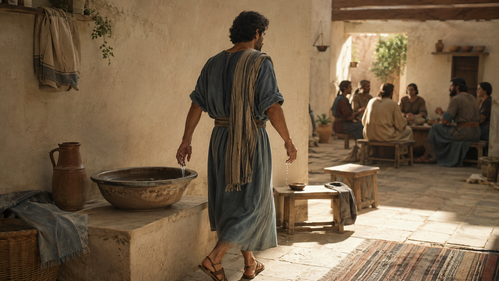
There are passages of Scripture that are easier to read when we imagine they’re talking about someone else. Today's chapter doesn’t give us much room for that...
Paul begins with believers dragging one another into court, publicly fighting over their grievances. He moves into a sobering list of sins that stand opposed to the life of God’s kingdom. Then he turns specifically to sexual immorality and what Christians do with their bodies. Different sins. Different circumstances. But one concern runs through the entire chapter: Does the way we live reflect who we have become in Christ?
Paul is writing to people who have received grace but are still learning how to live like people transformed by grace. After naming greed, idolatry, adultery, sexual sin, theft, drunkenness, abusive speech, and exploitation, Paul says: “And this is what some of you used to be. But you were washed. You were made holy. You were made righteous in the name of the Lord Jesus Christ and in the Spirit of our God” (1 Corinthians 6:11 CEB).
Paul doesn’t pretend the Corinthians have spotless histories. Apparently, they don’t. Neither does he tell them their histories no longer matter because grace has arrived. He tells them that grace has changed what their past gets to say about their future.
You were washed. You were made holy. You were made righteous. Those are things God has done. And because God has acted, the Corinthians can no longer shrug at sin and say, “That’s just who I am.”
I don’t read a chapter like this from a pedestal. I’m grateful for that, because I don’t think Paul gives any of us one to stand on. Christian holiness is never the achievement of people who can look down upon everyone who hasn’t gotten their lives together. It is the testimony of people who know what it means to need cleansing, forgiveness, restoration, and transforming grace.
But grace does more than forgive where we have been. Grace leads us somewhere new. That’s why Paul challenges another Corinthian slogan: “I’m allowed to do anything.” His answer is essentially: perhaps—but does it help? And is it beginning to control you?
Christian freedom isn’t the freedom to follow every appetite. It’s freedom from being ruled by them. Paul eventually brings the discussion directly to the body: “Don’t you know that your body is a temple of the Holy Spirit who is in you? … You have been bought and paid for, so honor God with your body” (v19–20 CEB).
Our bodies matter to God. What we do sexually matters. What we do financially matters. How we speak to one another matters. How we resolve conflict matters. What we allow to master our desires matters. Not because God is searching for reasons to reject us, but because Jesus gave himself to redeem the whole person.
The gospel doesn’t save a religious corner of our lives while leaving the rest untouched. Christ claims all of us. And that means Paul’s teaching about sexual holiness cannot faithfully become ammunition for Christians to aim primarily at other people. Before these words are ever useful for judging the culture around us, they must be allowed to examine the Church—and each of us within it.
Where have I allowed desire to become master? Where have I renamed something harmless because I don’t want to surrender it? Where am I living in a way that contradicts the new life Christ has given me? Those questions can be uncomfortable. They can also be full of hope.
Paul doesn’t say, “This is what some of you were, and you’d better spend the rest of your life being ashamed of it.” He says: You were washed. Your worst sin does not have to become your permanent identity. Your past does not get to veto God’s sanctifying work. Forgiveness is not permission to make peace with what Christ died to free us from.
This is responsible grace: God acts first, cleansing and making holy through Christ and the Spirit, and then calls us to live faithfully within the life we have received. Holiness therefore requires honesty. Sometimes repentance. Sometimes accountability. Sometimes running from a temptation instead of negotiating with it. Sometimes repairing damage we have caused. But every one of those responses begins with grace.
We belong to Jesus now. So, by the Spirit’s power, we keep learning to live like people who do.
Paul begins with believers dragging one another into court, publicly fighting over their grievances. He moves into a sobering list of sins that stand opposed to the life of God’s kingdom. Then he turns specifically to sexual immorality and what Christians do with their bodies. Different sins. Different circumstances. But one concern runs through the entire chapter: Does the way we live reflect who we have become in Christ?
Paul is writing to people who have received grace but are still learning how to live like people transformed by grace. After naming greed, idolatry, adultery, sexual sin, theft, drunkenness, abusive speech, and exploitation, Paul says: “And this is what some of you used to be. But you were washed. You were made holy. You were made righteous in the name of the Lord Jesus Christ and in the Spirit of our God” (1 Corinthians 6:11 CEB).
Paul doesn’t pretend the Corinthians have spotless histories. Apparently, they don’t. Neither does he tell them their histories no longer matter because grace has arrived. He tells them that grace has changed what their past gets to say about their future.
You were washed. You were made holy. You were made righteous. Those are things God has done. And because God has acted, the Corinthians can no longer shrug at sin and say, “That’s just who I am.”
I don’t read a chapter like this from a pedestal. I’m grateful for that, because I don’t think Paul gives any of us one to stand on. Christian holiness is never the achievement of people who can look down upon everyone who hasn’t gotten their lives together. It is the testimony of people who know what it means to need cleansing, forgiveness, restoration, and transforming grace.
But grace does more than forgive where we have been. Grace leads us somewhere new. That’s why Paul challenges another Corinthian slogan: “I’m allowed to do anything.” His answer is essentially: perhaps—but does it help? And is it beginning to control you?
Christian freedom isn’t the freedom to follow every appetite. It’s freedom from being ruled by them. Paul eventually brings the discussion directly to the body: “Don’t you know that your body is a temple of the Holy Spirit who is in you? … You have been bought and paid for, so honor God with your body” (v19–20 CEB).
Our bodies matter to God. What we do sexually matters. What we do financially matters. How we speak to one another matters. How we resolve conflict matters. What we allow to master our desires matters. Not because God is searching for reasons to reject us, but because Jesus gave himself to redeem the whole person.
The gospel doesn’t save a religious corner of our lives while leaving the rest untouched. Christ claims all of us. And that means Paul’s teaching about sexual holiness cannot faithfully become ammunition for Christians to aim primarily at other people. Before these words are ever useful for judging the culture around us, they must be allowed to examine the Church—and each of us within it.
Where have I allowed desire to become master? Where have I renamed something harmless because I don’t want to surrender it? Where am I living in a way that contradicts the new life Christ has given me? Those questions can be uncomfortable. They can also be full of hope.
Paul doesn’t say, “This is what some of you were, and you’d better spend the rest of your life being ashamed of it.” He says: You were washed. Your worst sin does not have to become your permanent identity. Your past does not get to veto God’s sanctifying work. Forgiveness is not permission to make peace with what Christ died to free us from.
This is responsible grace: God acts first, cleansing and making holy through Christ and the Spirit, and then calls us to live faithfully within the life we have received. Holiness therefore requires honesty. Sometimes repentance. Sometimes accountability. Sometimes running from a temptation instead of negotiating with it. Sometimes repairing damage we have caused. But every one of those responses begins with grace.
We belong to Jesus now. So, by the Spirit’s power, we keep learning to live like people who do.
Faith In Action
Read 1 Corinthians 6:11 and 19–20 again today. Ask the Holy Spirit to reveal one area of your life that needs to come more fully under Christ’s gracious authority. Name it honestly before God, and take one concrete step of obedience today.
Today's Prayer
Lord Jesus, thank you that your grace meets us truthfully. You know what we have done, what we regret, what still tempts us, and what we would rather hide. Yet you have made cleansing and new life possible through your cross and resurrection. Thank you that our past does not have to determine our future. Holy Spirit, search us and show us anything that has begun to master us or draw us away from the life of Christ. Give us courage to repent, wisdom to make faithful choices, and grace to live as people who belong completely to you. Form your holiness in our relationships, our desires, our choices, and our bodies so that our whole lives may glorify God. Amen.
Posted in Bible Reading Plan 2026
Recent
Categories
Archive
2026
January
My Word for the Year... LIGHT2026 Reading Plan Reflections - Day 12026 Reading Plan Reflections - Day 22026 Reading Plan Reflections - Day 32026 Reading Plan Reflections - Day 42026 Reading Plan Reflections - Day 5Welcome to 2026 - New Resources2026 Reading Plan Reflections - Day 62026 Reading Plan Reflections - Day 72026 Reading Plan Reflections - Day 8New Year Prayer Focus2026 Reading Plan Reflections - Day 92026 Reading Plan Reflections - Day 102026 Reading Plan Reflections - Day 112026 Reading Plan Reflections - Day 122026 Reading Plan Reflections - Day 132026 Reading Plan Reflections - Day 142026 Reading Plan Reflections - Day 152026 Reading Plan Reflections - Day 16Darkness and Light2026 Reading Plan Reflections - Day 172026 Reading Plan Reflections - Day 182026 Reading Plan Reflections - Day 192026 Reading Plan Reflections - Day 202026 Reading Plan Reflections - Day 212026 Reading Plan Reflections - Day 222026 Reading Plan Reflections - Day 232026 Reading Plan Reflections - Day 242026 Reading Plan Reflections - Day 252026 Reading Plan Reflections - Day 262026 Reading Plan Reflections - Day 272026 Reading Plan Reflections - Day 282026 Reading Plan Reflections - Day 292026 Reading Plan Reflections - Day 30Together as the Body of Christ2026 Reading Plan Reflections - Day 31
February
2026 Reading Plan Reflections - Day 322026 Reading Plan Reflections - Day 332026 Reading Plan Reflections - Day 342026 Reading Plan Reflections - Day 352026 Reading Plan Reflections - Day 362026 Reading Plan Reflections - Day 37This Shouldn’t Need to Be Said...2026 Reading Plan Reflections - Day 382026 Reading Plan Reflections - Day 392026 Reading Plan Reflections - Day 402026 Reading Plan Reflections - Day 412026 Reading Plan Reflections - Day 422026 Reading Plan Reflections - Day 432026 Reading Plan Reflections - Day 442026 Reading Plan Reflections - Day 452026 Reading Plan Reflections - Day 462026 Reading Plan Reflections - Day 472026 Reading Plan Reflections - Day 482026 Reading Plan Reflections - Day 492026 Reading Plan Reflections - Day 502026 Reading Plan Reflections - Day 512026 Reading Plan Reflections - Day 522026 Reading Plan Reflections - Day 532026 Reading Plan Reflections - Day 542026 Reading Plan Reflections - Day 552026 Reading Plan Reflections - Day 562026 Reading Plan Reflections - Day 572026 Reading Plan Reflections - Day 582026 Reading Plan Reflections - Day 59
March
2026 Reading Plan Reflections - Day 602026 Reading Plan Reflections - Day 612026 Reading Plan Reflections - Day 622026 Reading Plan Reflections - Day 632026 Reading Plan Reflections - Day 642026 Reading Plan Reflections - Day 652026 Reading Plan Reflections - Day 662026 Reading Plan Reflections - Day 672026 Reading Plan Reflections - Day 682026 Reading Plan Reflections - Day 692026 Reading Plan Reflections - Day 702026 Reading Plan Reflections - Day 712026 Reading Plan Reflections - Day 722026 Reading Plan Reflections - Day 732026 Reading Plan Reflections - Day 742026 Reading Plan Reflections - Day 752026 Reading Plan Reflections - Day 762026 Reading Plan Reflections - Day 772026 Reading Plan Reflections - Day 782026 Reading Plan Reflections - Day 792026 Reading Plan Reflections - Day 802026 Reading Plan Reflections - Day 812026 Reading Plan Reflections - Day 822026 Reading Plan Reflections - Day 832026 Reading Plan Reflections - Day 84
April
2026 Reading Plan Reflections - Days 85 & 862026 Reading Plan Reflections - Day 872026 Reading Plan Reflections - Day 882026 Reading Plan Reflections - Day 892026 Reading Plan Reflections - Day 902026 Reading Plan Reflections - Day 912026 Reading Plan Reflections - Day 922026 Reading Plan Reflections - Day 932026 Reading Plan Reflections - Day 942026 Reading Plan Reflections - Day 95
No Comments