
2026 Reading Plan Reflections - Day 241
Don't Go Back to Egypt
1 Corinthians 10:1–13
“No temptation has seized you that isn’t common for people. But God is faithful. He won’t allow you to be tempted beyond your abilities. Instead, with the temptation God will also supply a way out so that you will be able to endure it” 1 Corinthians 10:13 CEB
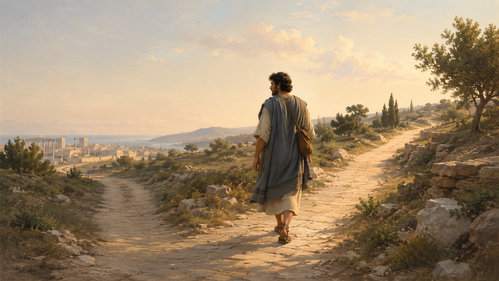
Paul has been talking about Christian freedom for several chapters now, but in today’s passage he reaches back into Israel’s history to make a serious point: freedom can be received and then squandered.
The Israelites had been rescued from slavery. They passed through the sea. They lived beneath the cloud of God’s presence. God fed them in the wilderness and gave them water to drink.
They had experienced grace. And yet many of them still began longing for the life they had left behind.
Paul tells the Corinthians that these stories were written as warnings for them. The connection isn’t accidental. Israel had experienced a kind of exodus from slavery into freedom, and through Jesus the Corinthians had experienced an even greater one. Christ, whom Paul has already called our Passover lamb, had delivered them from the old life of sin and brought them into a new people.
Paul even describes Israel’s passage through the sea in baptismal language. They had all passed through the water. They had all shared the food and drink God provided.
The Corinthians could hear the comparison. They had been baptized. They shared the Lord’s Table. They knew the presence and power of the Holy Spirit. They belonged to Christ. But those gifts did not make them incapable of wandering.
We sometimes assume that yesterday’s faithfulness guarantees tomorrow’s faithfulness. We remember a moment when God changed us, a prayer God answered, a season when our faith was strong, or years of service in the Church, and we begin to think we’re standing securely enough that we don’t need to pay close attention anymore.
Paul says, “So those who think they are standing need to watch out or else they may fall” (v. 12). This isn’t intended to make Christians live anxiously, wondering whether God is waiting for us to make one mistake. Paul’s concern is presumption.
Grace is a gift, but grace is also something we must continue to respond to.
Israel’s problem wasn’t that God stopped being faithful. God continued guiding, feeding, and providing for them. Their problem was that their desires began pulling them backward. Paul names idolatry, sexual immorality, testing God, and complaining, but underneath those behaviors was a deeper struggle: they began craving things that belonged to the life God had delivered them from. Egypt started looking attractive again. That same temptation still exists.
Following Jesus doesn’t remove every old desire overnight. Sometimes the life behind us begins looking easier than the life of holiness ahead of us. Old habits feel comfortable. Old compromises seem harmless. Old ways of thinking promise less resistance. And Christian freedom can easily become the excuse we use to move backward.
That has been Paul’s concern since chapter 8. Some Corinthians were insisting that they understood their freedom well enough to walk close to idolatrous environments without danger. Paul’s response is essentially: be careful. Israel knew what it meant to experience God’s deliverance too.
Spiritual maturity is not proving how close we can stand to the old life without falling back into it. Maturity learns to recognize where our desires are leading us.
“No temptation has seized you that isn’t common for people. But God is faithful. He won’t allow you to be tempted beyond your abilities. Instead, with the temptation God will also supply a way out so that you will be able to endure it” (v. 13). This verse is sometimes shortened into the idea that “God won’t give you more than you can handle.” That isn’t what Paul says.
Paul is talking about temptation, and the hope rests not in our strength but in God’s faithfulness. God does not abandon us when temptation comes. Grace is already present. The Holy Spirit continues working. There is a way to obey.
Sometimes that way out looks like walking away from a situation. Sometimes it means telling someone else where we are struggling. Sometimes it means refusing a freedom that would pull us backward. Sometimes it means returning to prayer, Scripture, Christian community, or the Table where we remember again who Christ has made us to be. The way out may not always be easy, but God remains faithful enough to provide it.
Paul wants the Corinthians to remember who they are and where God has brought them. We should remember too. Christ has not delivered us so that we can spend our lives looking back toward Egypt. He has called us forward into freedom, holiness, and life.
The Israelites had been rescued from slavery. They passed through the sea. They lived beneath the cloud of God’s presence. God fed them in the wilderness and gave them water to drink.
They had experienced grace. And yet many of them still began longing for the life they had left behind.
Paul tells the Corinthians that these stories were written as warnings for them. The connection isn’t accidental. Israel had experienced a kind of exodus from slavery into freedom, and through Jesus the Corinthians had experienced an even greater one. Christ, whom Paul has already called our Passover lamb, had delivered them from the old life of sin and brought them into a new people.
Paul even describes Israel’s passage through the sea in baptismal language. They had all passed through the water. They had all shared the food and drink God provided.
The Corinthians could hear the comparison. They had been baptized. They shared the Lord’s Table. They knew the presence and power of the Holy Spirit. They belonged to Christ. But those gifts did not make them incapable of wandering.
We sometimes assume that yesterday’s faithfulness guarantees tomorrow’s faithfulness. We remember a moment when God changed us, a prayer God answered, a season when our faith was strong, or years of service in the Church, and we begin to think we’re standing securely enough that we don’t need to pay close attention anymore.
Paul says, “So those who think they are standing need to watch out or else they may fall” (v. 12). This isn’t intended to make Christians live anxiously, wondering whether God is waiting for us to make one mistake. Paul’s concern is presumption.
Grace is a gift, but grace is also something we must continue to respond to.
Israel’s problem wasn’t that God stopped being faithful. God continued guiding, feeding, and providing for them. Their problem was that their desires began pulling them backward. Paul names idolatry, sexual immorality, testing God, and complaining, but underneath those behaviors was a deeper struggle: they began craving things that belonged to the life God had delivered them from. Egypt started looking attractive again. That same temptation still exists.
Following Jesus doesn’t remove every old desire overnight. Sometimes the life behind us begins looking easier than the life of holiness ahead of us. Old habits feel comfortable. Old compromises seem harmless. Old ways of thinking promise less resistance. And Christian freedom can easily become the excuse we use to move backward.
That has been Paul’s concern since chapter 8. Some Corinthians were insisting that they understood their freedom well enough to walk close to idolatrous environments without danger. Paul’s response is essentially: be careful. Israel knew what it meant to experience God’s deliverance too.
Spiritual maturity is not proving how close we can stand to the old life without falling back into it. Maturity learns to recognize where our desires are leading us.
“No temptation has seized you that isn’t common for people. But God is faithful. He won’t allow you to be tempted beyond your abilities. Instead, with the temptation God will also supply a way out so that you will be able to endure it” (v. 13). This verse is sometimes shortened into the idea that “God won’t give you more than you can handle.” That isn’t what Paul says.
Paul is talking about temptation, and the hope rests not in our strength but in God’s faithfulness. God does not abandon us when temptation comes. Grace is already present. The Holy Spirit continues working. There is a way to obey.
Sometimes that way out looks like walking away from a situation. Sometimes it means telling someone else where we are struggling. Sometimes it means refusing a freedom that would pull us backward. Sometimes it means returning to prayer, Scripture, Christian community, or the Table where we remember again who Christ has made us to be. The way out may not always be easy, but God remains faithful enough to provide it.
Paul wants the Corinthians to remember who they are and where God has brought them. We should remember too. Christ has not delivered us so that we can spend our lives looking back toward Egypt. He has called us forward into freedom, holiness, and life.
Faith In Action
Identify one situation, habit, or desire that tends to pull you toward an older way of life. Ask God to show you the “way out” already available to you, then take one concrete step in that direction today.
Today's Prayer
Lord Jesus, thank you for the grace that has brought us out of slavery and into new life with you. Forgive us for the times we become overconfident or begin longing for patterns you have called us to leave behind. Give us wisdom to recognize temptation before it carries us backward. By your Holy Spirit, help us see the way of faithfulness you provide and give us courage to take it. Keep forming our desires so that we want what leads toward holiness, love, and life in you. When we feel weak, remind us that our hope does not rest in our strength, but in your faithfulness. Amen.
Posted in Bible Reading Plan 2026
Recent
Categories
Archive
2026
January
My Word for the Year... LIGHT2026 Reading Plan Reflections - Day 12026 Reading Plan Reflections - Day 22026 Reading Plan Reflections - Day 32026 Reading Plan Reflections - Day 42026 Reading Plan Reflections - Day 5Welcome to 2026 - New Resources2026 Reading Plan Reflections - Day 62026 Reading Plan Reflections - Day 72026 Reading Plan Reflections - Day 8New Year Prayer Focus2026 Reading Plan Reflections - Day 92026 Reading Plan Reflections - Day 102026 Reading Plan Reflections - Day 112026 Reading Plan Reflections - Day 122026 Reading Plan Reflections - Day 132026 Reading Plan Reflections - Day 142026 Reading Plan Reflections - Day 152026 Reading Plan Reflections - Day 16Darkness and Light2026 Reading Plan Reflections - Day 172026 Reading Plan Reflections - Day 182026 Reading Plan Reflections - Day 192026 Reading Plan Reflections - Day 202026 Reading Plan Reflections - Day 212026 Reading Plan Reflections - Day 222026 Reading Plan Reflections - Day 232026 Reading Plan Reflections - Day 242026 Reading Plan Reflections - Day 252026 Reading Plan Reflections - Day 262026 Reading Plan Reflections - Day 272026 Reading Plan Reflections - Day 282026 Reading Plan Reflections - Day 292026 Reading Plan Reflections - Day 30Together as the Body of Christ2026 Reading Plan Reflections - Day 31
February
2026 Reading Plan Reflections - Day 322026 Reading Plan Reflections - Day 332026 Reading Plan Reflections - Day 342026 Reading Plan Reflections - Day 352026 Reading Plan Reflections - Day 362026 Reading Plan Reflections - Day 37This Shouldn’t Need to Be Said...2026 Reading Plan Reflections - Day 382026 Reading Plan Reflections - Day 392026 Reading Plan Reflections - Day 402026 Reading Plan Reflections - Day 412026 Reading Plan Reflections - Day 422026 Reading Plan Reflections - Day 432026 Reading Plan Reflections - Day 442026 Reading Plan Reflections - Day 452026 Reading Plan Reflections - Day 462026 Reading Plan Reflections - Day 472026 Reading Plan Reflections - Day 482026 Reading Plan Reflections - Day 492026 Reading Plan Reflections - Day 502026 Reading Plan Reflections - Day 512026 Reading Plan Reflections - Day 522026 Reading Plan Reflections - Day 532026 Reading Plan Reflections - Day 542026 Reading Plan Reflections - Day 552026 Reading Plan Reflections - Day 562026 Reading Plan Reflections - Day 572026 Reading Plan Reflections - Day 582026 Reading Plan Reflections - Day 59
March
2026 Reading Plan Reflections - Day 602026 Reading Plan Reflections - Day 612026 Reading Plan Reflections - Day 622026 Reading Plan Reflections - Day 632026 Reading Plan Reflections - Day 642026 Reading Plan Reflections - Day 652026 Reading Plan Reflections - Day 662026 Reading Plan Reflections - Day 672026 Reading Plan Reflections - Day 682026 Reading Plan Reflections - Day 692026 Reading Plan Reflections - Day 702026 Reading Plan Reflections - Day 712026 Reading Plan Reflections - Day 722026 Reading Plan Reflections - Day 732026 Reading Plan Reflections - Day 742026 Reading Plan Reflections - Day 752026 Reading Plan Reflections - Day 762026 Reading Plan Reflections - Day 772026 Reading Plan Reflections - Day 782026 Reading Plan Reflections - Day 792026 Reading Plan Reflections - Day 802026 Reading Plan Reflections - Day 812026 Reading Plan Reflections - Day 822026 Reading Plan Reflections - Day 832026 Reading Plan Reflections - Day 84
April
2026 Reading Plan Reflections - Days 85 & 862026 Reading Plan Reflections - Day 872026 Reading Plan Reflections - Day 882026 Reading Plan Reflections - Day 892026 Reading Plan Reflections - Day 902026 Reading Plan Reflections - Day 912026 Reading Plan Reflections - Day 922026 Reading Plan Reflections - Day 932026 Reading Plan Reflections - Day 942026 Reading Plan Reflections - Day 95
No Comments