
2026 Reading Plan Reflections - Day 258
Sorrow That Leads to Life
2 Corinthians 7
“Godly sadness produces a changed heart and life that leads to salvation and leaves no regrets, but sorrow under the influence of the world produces death.” 2 Corinthians 7:10 CEB
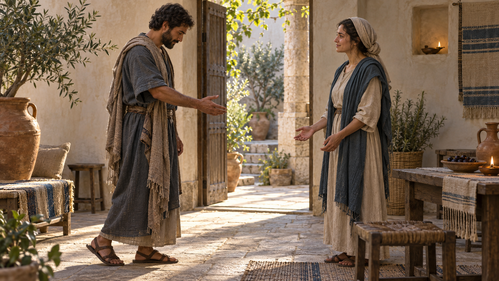
There is a kind of sorrow that closes us in on ourselves, and there is a kind of sorrow that opens us to the transforming grace of God. Paul knew the difference.
Second Corinthians 7 gives us a personal glimpse into his relationship with the church in Corinth. Things between them had not been easy. Paul had confronted serious problems within the church, and his words had caused pain. Even after writing, Paul seems to have wondered whether he had gone too far. He cared deeply about these people, and he didn’t know how they would respond.
At the same time, Paul himself was struggling. “We were troubled in every way,” he writes, “there were battles outside and fears inside” (v. 5). That’s an honest confession from an apostle.
Paul trusted God. Paul proclaimed the resurrection. Paul taught others to rejoice, pray, and refuse to be ruled by anxiety. Yet, none of that made him emotionally detached from the people and circumstances around him. He could trust God and still experience fear. He could believe the gospel and still long for some good news. Then Titus arrived.
Paul describes God as “the God who comforts the downcast,” and in this moment that comfort came through another person carrying news from Corinth. The Corinthians had listened. They had grieved over what had happened. More importantly, their grief had moved them toward repentance, renewed obedience, and reconciliation with Paul.
So Paul writes: “Godly sadness produces a changed heart and life that leads to salvation and leaves no regrets, but sorrow under the influence of the world produces death” (2 Corinthians 7:10 CEB).
Not every uncomfortable feeling is something we need to escape. Sometimes sorrow is grace doing its work.
There is a kind of sorrow that says, I’ve been exposed, and now I need to hide. It turns inward. It protects pride. It becomes shame, defensiveness, resentment, or hopelessness. We become so consumed with what our failure says about us that we never actually deal with what needs to change. But godly sorrow moves differently. It tells the truth and then moves toward God.
Paul can see the evidence of that movement in the Corinthians. Their sorrow produced earnestness, concern, longing, and a willingness to put things right. They didn’t earn God’s forgiveness by feeling sufficiently terrible about themselves. Their sorrow became the place where they responded to grace. That’s repentance.
Repentance is more than feeling bad about what we’ve done. It is allowing the truth to turn us around.
God doesn't reveal sin so that we remain crushed beneath it. The Holy Spirit brings conviction because grace is already calling us toward something better. God exposes what is destroying us so it can be surrendered, forgiven, healed, and transformed.
We sometimes resist that process because correction hurts. We would rather explain ourselves, minimize what happened, blame someone else, or wait until the uncomfortable feeling passes. But holiness requires more than learning how to feel better about ourselves. It requires hearts willing to be changed.
That is also why this chapter belongs in the larger story Paul has been telling the Corinthians. He has been pleading with them to open their hearts again. Their relationship had become strained, but Paul doesn't abandon them, and he doesn't pretend nothing happened. Truth and love have to remain together.
And when repentance comes, Paul rejoices. Not because the Corinthians suffered. Because grace had borne fruit. By the end of the chapter, Paul can say, “I’m happy because I can completely depend on you” (v. 16).
A wounded relationship is being restored. The church has responded to correction. Titus has been encouraged. Paul has been comforted. What began in grief is moving toward renewed trust. That is what God’s grace can do with sorrow surrendered to God.
There may be places in our lives where the Holy Spirit is already making us uncomfortable. A conversation we need to have. Harm we need to acknowledge. A habit we’ve defended too long. An attitude we know does not look like Jesus.
We don’t need to run from that discomfort. We can bring it into the light and ask a better question: What would repentance look like here?
Because when grace turns sorrow toward repentance, sorrow doesn’t get the final word. New life does.
Second Corinthians 7 gives us a personal glimpse into his relationship with the church in Corinth. Things between them had not been easy. Paul had confronted serious problems within the church, and his words had caused pain. Even after writing, Paul seems to have wondered whether he had gone too far. He cared deeply about these people, and he didn’t know how they would respond.
At the same time, Paul himself was struggling. “We were troubled in every way,” he writes, “there were battles outside and fears inside” (v. 5). That’s an honest confession from an apostle.
Paul trusted God. Paul proclaimed the resurrection. Paul taught others to rejoice, pray, and refuse to be ruled by anxiety. Yet, none of that made him emotionally detached from the people and circumstances around him. He could trust God and still experience fear. He could believe the gospel and still long for some good news. Then Titus arrived.
Paul describes God as “the God who comforts the downcast,” and in this moment that comfort came through another person carrying news from Corinth. The Corinthians had listened. They had grieved over what had happened. More importantly, their grief had moved them toward repentance, renewed obedience, and reconciliation with Paul.
So Paul writes: “Godly sadness produces a changed heart and life that leads to salvation and leaves no regrets, but sorrow under the influence of the world produces death” (2 Corinthians 7:10 CEB).
Not every uncomfortable feeling is something we need to escape. Sometimes sorrow is grace doing its work.
There is a kind of sorrow that says, I’ve been exposed, and now I need to hide. It turns inward. It protects pride. It becomes shame, defensiveness, resentment, or hopelessness. We become so consumed with what our failure says about us that we never actually deal with what needs to change. But godly sorrow moves differently. It tells the truth and then moves toward God.
Paul can see the evidence of that movement in the Corinthians. Their sorrow produced earnestness, concern, longing, and a willingness to put things right. They didn’t earn God’s forgiveness by feeling sufficiently terrible about themselves. Their sorrow became the place where they responded to grace. That’s repentance.
Repentance is more than feeling bad about what we’ve done. It is allowing the truth to turn us around.
God doesn't reveal sin so that we remain crushed beneath it. The Holy Spirit brings conviction because grace is already calling us toward something better. God exposes what is destroying us so it can be surrendered, forgiven, healed, and transformed.
We sometimes resist that process because correction hurts. We would rather explain ourselves, minimize what happened, blame someone else, or wait until the uncomfortable feeling passes. But holiness requires more than learning how to feel better about ourselves. It requires hearts willing to be changed.
That is also why this chapter belongs in the larger story Paul has been telling the Corinthians. He has been pleading with them to open their hearts again. Their relationship had become strained, but Paul doesn't abandon them, and he doesn't pretend nothing happened. Truth and love have to remain together.
And when repentance comes, Paul rejoices. Not because the Corinthians suffered. Because grace had borne fruit. By the end of the chapter, Paul can say, “I’m happy because I can completely depend on you” (v. 16).
A wounded relationship is being restored. The church has responded to correction. Titus has been encouraged. Paul has been comforted. What began in grief is moving toward renewed trust. That is what God’s grace can do with sorrow surrendered to God.
There may be places in our lives where the Holy Spirit is already making us uncomfortable. A conversation we need to have. Harm we need to acknowledge. A habit we’ve defended too long. An attitude we know does not look like Jesus.
We don’t need to run from that discomfort. We can bring it into the light and ask a better question: What would repentance look like here?
Because when grace turns sorrow toward repentance, sorrow doesn’t get the final word. New life does.
Faith In Action
Ask God to bring one area of your life into honest focus today. Instead of defending or condemning yourself, name one concrete step of repentance you can take within the next 24 hours.
Today's Prayer
Jesus, give us hearts that are willing to hear the truth. When your Spirit reveals something in us that needs to change, keep us from hiding in shame or behind excuses. Teach us the kind of sorrow that turns toward you and receives your grace. Give us courage to repent, to make things right when we can, and to trust that your purpose is restoration rather than condemnation. Form in us hearts that remain open to you and to one another. And when relationships have been wounded, help us become people who tell the truth, extend grace, and make room for reconciliation. Amen.
Posted in Bible Reading Plan 2026
Recent
Categories
Archive
2026
January
My Word for the Year... LIGHT2026 Reading Plan Reflections - Day 12026 Reading Plan Reflections - Day 22026 Reading Plan Reflections - Day 32026 Reading Plan Reflections - Day 42026 Reading Plan Reflections - Day 5Welcome to 2026 - New Resources2026 Reading Plan Reflections - Day 62026 Reading Plan Reflections - Day 72026 Reading Plan Reflections - Day 8New Year Prayer Focus2026 Reading Plan Reflections - Day 92026 Reading Plan Reflections - Day 102026 Reading Plan Reflections - Day 112026 Reading Plan Reflections - Day 122026 Reading Plan Reflections - Day 132026 Reading Plan Reflections - Day 142026 Reading Plan Reflections - Day 152026 Reading Plan Reflections - Day 16Darkness and Light2026 Reading Plan Reflections - Day 172026 Reading Plan Reflections - Day 182026 Reading Plan Reflections - Day 192026 Reading Plan Reflections - Day 202026 Reading Plan Reflections - Day 212026 Reading Plan Reflections - Day 222026 Reading Plan Reflections - Day 232026 Reading Plan Reflections - Day 242026 Reading Plan Reflections - Day 252026 Reading Plan Reflections - Day 262026 Reading Plan Reflections - Day 272026 Reading Plan Reflections - Day 282026 Reading Plan Reflections - Day 292026 Reading Plan Reflections - Day 30Together as the Body of Christ2026 Reading Plan Reflections - Day 31
February
2026 Reading Plan Reflections - Day 322026 Reading Plan Reflections - Day 332026 Reading Plan Reflections - Day 342026 Reading Plan Reflections - Day 352026 Reading Plan Reflections - Day 362026 Reading Plan Reflections - Day 37This Shouldn’t Need to Be Said...2026 Reading Plan Reflections - Day 382026 Reading Plan Reflections - Day 392026 Reading Plan Reflections - Day 402026 Reading Plan Reflections - Day 412026 Reading Plan Reflections - Day 422026 Reading Plan Reflections - Day 432026 Reading Plan Reflections - Day 442026 Reading Plan Reflections - Day 452026 Reading Plan Reflections - Day 462026 Reading Plan Reflections - Day 472026 Reading Plan Reflections - Day 482026 Reading Plan Reflections - Day 492026 Reading Plan Reflections - Day 502026 Reading Plan Reflections - Day 512026 Reading Plan Reflections - Day 522026 Reading Plan Reflections - Day 532026 Reading Plan Reflections - Day 542026 Reading Plan Reflections - Day 552026 Reading Plan Reflections - Day 562026 Reading Plan Reflections - Day 572026 Reading Plan Reflections - Day 582026 Reading Plan Reflections - Day 59
March
2026 Reading Plan Reflections - Day 602026 Reading Plan Reflections - Day 612026 Reading Plan Reflections - Day 622026 Reading Plan Reflections - Day 632026 Reading Plan Reflections - Day 642026 Reading Plan Reflections - Day 652026 Reading Plan Reflections - Day 662026 Reading Plan Reflections - Day 672026 Reading Plan Reflections - Day 682026 Reading Plan Reflections - Day 692026 Reading Plan Reflections - Day 702026 Reading Plan Reflections - Day 712026 Reading Plan Reflections - Day 722026 Reading Plan Reflections - Day 732026 Reading Plan Reflections - Day 742026 Reading Plan Reflections - Day 752026 Reading Plan Reflections - Day 762026 Reading Plan Reflections - Day 772026 Reading Plan Reflections - Day 782026 Reading Plan Reflections - Day 792026 Reading Plan Reflections - Day 802026 Reading Plan Reflections - Day 812026 Reading Plan Reflections - Day 822026 Reading Plan Reflections - Day 832026 Reading Plan Reflections - Day 84
April
2026 Reading Plan Reflections - Days 85 & 862026 Reading Plan Reflections - Day 872026 Reading Plan Reflections - Day 882026 Reading Plan Reflections - Day 892026 Reading Plan Reflections - Day 902026 Reading Plan Reflections - Day 912026 Reading Plan Reflections - Day 922026 Reading Plan Reflections - Day 932026 Reading Plan Reflections - Day 942026 Reading Plan Reflections - Day 95
No Comments