
2026 Reading Plan Reflections - Day 282
All Things Hold Together in Christ
Colossians 1
“He existed before all things, and all things are held together in him.” Colossians 1:17 CEB
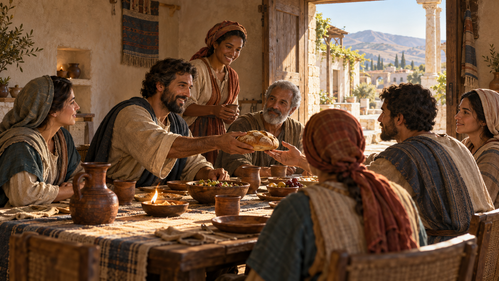
Paul opens his letter to the Colossians with thanksgiving. He's heard wonderful things about this young church: their faith in Jesus Christ, their love for one another, and the hope they have received through the gospel. Though Paul hasn't personally visited them, he recognizes that God is already doing something amazing in their community. The gospel is bearing fruit.
But, Paul wants them to understand something about the new life they're experiencing. Their faith, love, and hope aren't the result of discovering a better religious philosophy or finding a more disciplined way to live. They are the work of Jesus Christ, who stands at the center of everything God is doing. And when Paul says everything, he means everything.
In verses 15–20, Paul gives us one of the most profound descriptions of Jesus in the New Testament. “He is the image of the invisible God, the one who is first over all creation” (Colossians 1:15, CEB). Paul goes on to describe Christ as the one through whom all things were created, the one in whom all things hold together, and the head of the church. Through Christ, God is reconciling all things, making peace through the blood of the cross.
Think about the scope of what Paul is declaring. The same Jesus who walked the roads of Galilee, welcomed sinners, healed the sick, and gave his life on the cross is the one through whom creation itself came into being. Nothing exists apart from him, and nothing lies beyond the reach of his authority.
Jesus isn't simply one important part of our faith. He is its very foundation. This is important because we can sometimes reduce Christianity to the things we're supposed to believe or do. We think about attending worship, studying Scripture, praying, serving others, and trying to live holy lives. Those are all important expressions of discipleship, but none of them is the center of our faith. Christ is. And Paul wants the Colossians to understand that everything else grows out of their relationship with him.
Notice how Paul connects this magnificent description of Christ to the ordinary lives of the believers in Colossae. Before describing Christ's supremacy, Paul prays that they will be filled with the knowledge of God's will, strengthened with God's power, and able to live lives that bear fruit in every good work.
Then, after describing the one who holds creation together, Paul reminds them that they were once estranged from God but have now been reconciled through Christ's death. He takes us from the vastness of creation to the intimate reality of our own reconciliation with God. The one who holds all things together is the same one who has made peace with us through the cross. And God's work doesn't end with reconciliation.
Paul writes that the purpose of his ministry is to proclaim Christ so that everyone might become mature in him (v. 28). Salvation is the beginning of a transformed life, not the completion of one.
We believe God's grace reaches us before we recognize our need for it, reconciles us through Christ, and continues working within us through the Holy Spirit. Holiness isn't something we manufacture through determination or religious effort. It is the transforming work of God's grace as we respond in faith and learn to become more like Jesus.
The Colossians were already demonstrating that transformation. Their love for one another was evidence of the gospel taking root. Paul prayed that they would continue growing in wisdom, endurance, gratitude, and faithful service. And at the heart of that continuing transformation is what Paul calls the glorious mystery now revealed among the Gentiles:
“Christ is in you, the hope of glory” (Colossians 1:27, CEB). Consider what that means.
The Christ who holds creation together is also present within the lives of those who belong to him. The power sustaining the universe is not distant from the ordinary struggles, relationships, and responsibilities of our lives.
This doesn't mean every difficulty disappears or that faithful Christians are somehow protected from suffering. Paul himself writes about the suffering he endures for the sake of the church. But even in those circumstances, he trusts the power of Christ working within him.
That same grace is at work in us. Sometimes our lives feel anything but held together. Responsibilities compete for our attention. Relationships become strained. Circumstances change in ways we can't control, and our own strength seems inadequate for what lies ahead.
Colossians 1 doesn't promise that everything in our lives will unfold the way we'd like. Instead, Paul directs our attention to the one who remains faithful through it all. Our hope rests in Jesus Christ, through whom God has created, reconciled, and begun renewing all things.
So as we begin reading Colossians, perhaps the most important invitation is to keep Christ at the center. Not because we have to hold everything together ourselves, but because our lives are being shaped by the one in whom all things already hold together. And as we remain rooted in him, his grace continues its work, producing the fruit of a life increasingly marked by his love.
But, Paul wants them to understand something about the new life they're experiencing. Their faith, love, and hope aren't the result of discovering a better religious philosophy or finding a more disciplined way to live. They are the work of Jesus Christ, who stands at the center of everything God is doing. And when Paul says everything, he means everything.
In verses 15–20, Paul gives us one of the most profound descriptions of Jesus in the New Testament. “He is the image of the invisible God, the one who is first over all creation” (Colossians 1:15, CEB). Paul goes on to describe Christ as the one through whom all things were created, the one in whom all things hold together, and the head of the church. Through Christ, God is reconciling all things, making peace through the blood of the cross.
Think about the scope of what Paul is declaring. The same Jesus who walked the roads of Galilee, welcomed sinners, healed the sick, and gave his life on the cross is the one through whom creation itself came into being. Nothing exists apart from him, and nothing lies beyond the reach of his authority.
Jesus isn't simply one important part of our faith. He is its very foundation. This is important because we can sometimes reduce Christianity to the things we're supposed to believe or do. We think about attending worship, studying Scripture, praying, serving others, and trying to live holy lives. Those are all important expressions of discipleship, but none of them is the center of our faith. Christ is. And Paul wants the Colossians to understand that everything else grows out of their relationship with him.
Notice how Paul connects this magnificent description of Christ to the ordinary lives of the believers in Colossae. Before describing Christ's supremacy, Paul prays that they will be filled with the knowledge of God's will, strengthened with God's power, and able to live lives that bear fruit in every good work.
Then, after describing the one who holds creation together, Paul reminds them that they were once estranged from God but have now been reconciled through Christ's death. He takes us from the vastness of creation to the intimate reality of our own reconciliation with God. The one who holds all things together is the same one who has made peace with us through the cross. And God's work doesn't end with reconciliation.
Paul writes that the purpose of his ministry is to proclaim Christ so that everyone might become mature in him (v. 28). Salvation is the beginning of a transformed life, not the completion of one.
We believe God's grace reaches us before we recognize our need for it, reconciles us through Christ, and continues working within us through the Holy Spirit. Holiness isn't something we manufacture through determination or religious effort. It is the transforming work of God's grace as we respond in faith and learn to become more like Jesus.
The Colossians were already demonstrating that transformation. Their love for one another was evidence of the gospel taking root. Paul prayed that they would continue growing in wisdom, endurance, gratitude, and faithful service. And at the heart of that continuing transformation is what Paul calls the glorious mystery now revealed among the Gentiles:
“Christ is in you, the hope of glory” (Colossians 1:27, CEB). Consider what that means.
The Christ who holds creation together is also present within the lives of those who belong to him. The power sustaining the universe is not distant from the ordinary struggles, relationships, and responsibilities of our lives.
This doesn't mean every difficulty disappears or that faithful Christians are somehow protected from suffering. Paul himself writes about the suffering he endures for the sake of the church. But even in those circumstances, he trusts the power of Christ working within him.
That same grace is at work in us. Sometimes our lives feel anything but held together. Responsibilities compete for our attention. Relationships become strained. Circumstances change in ways we can't control, and our own strength seems inadequate for what lies ahead.
Colossians 1 doesn't promise that everything in our lives will unfold the way we'd like. Instead, Paul directs our attention to the one who remains faithful through it all. Our hope rests in Jesus Christ, through whom God has created, reconciled, and begun renewing all things.
So as we begin reading Colossians, perhaps the most important invitation is to keep Christ at the center. Not because we have to hold everything together ourselves, but because our lives are being shaped by the one in whom all things already hold together. And as we remain rooted in him, his grace continues its work, producing the fruit of a life increasingly marked by his love.
Faith In Action
Read Colossians 1:15–20 again slowly. As you consider everything Paul says about Jesus, identify one area of your life where you've been depending primarily on your own strength or understanding. Bring that concern to Christ in prayer, asking for the wisdom and grace to respond faithfully today.
Today's Prayer
Lord Jesus, you are the image of the invisible God, the one through whom all things were created and in whom all things hold together. Thank you for reconciling us to God through your cross and for continuing to work within us by your grace. Forgive us when we lose sight of you and begin trusting in our own strength. Fill us with wisdom to recognize your will, patience to remain faithful through difficulty, and love that bears fruit in our relationships. Keep our lives centered on you, and continue shaping us into the people you've called us to become. May others recognize your presence through the way we live and love. Amen.
Posted in Bible Reading Plan 2026
Recent
Categories
Archive
2026
January
My Word for the Year... LIGHT2026 Reading Plan Reflections - Day 12026 Reading Plan Reflections - Day 22026 Reading Plan Reflections - Day 32026 Reading Plan Reflections - Day 42026 Reading Plan Reflections - Day 5Welcome to 2026 - New Resources2026 Reading Plan Reflections - Day 62026 Reading Plan Reflections - Day 72026 Reading Plan Reflections - Day 8New Year Prayer Focus2026 Reading Plan Reflections - Day 92026 Reading Plan Reflections - Day 102026 Reading Plan Reflections - Day 112026 Reading Plan Reflections - Day 122026 Reading Plan Reflections - Day 132026 Reading Plan Reflections - Day 142026 Reading Plan Reflections - Day 152026 Reading Plan Reflections - Day 16Darkness and Light2026 Reading Plan Reflections - Day 172026 Reading Plan Reflections - Day 182026 Reading Plan Reflections - Day 192026 Reading Plan Reflections - Day 202026 Reading Plan Reflections - Day 212026 Reading Plan Reflections - Day 222026 Reading Plan Reflections - Day 232026 Reading Plan Reflections - Day 242026 Reading Plan Reflections - Day 252026 Reading Plan Reflections - Day 262026 Reading Plan Reflections - Day 272026 Reading Plan Reflections - Day 282026 Reading Plan Reflections - Day 292026 Reading Plan Reflections - Day 30Together as the Body of Christ2026 Reading Plan Reflections - Day 31
February
2026 Reading Plan Reflections - Day 322026 Reading Plan Reflections - Day 332026 Reading Plan Reflections - Day 342026 Reading Plan Reflections - Day 352026 Reading Plan Reflections - Day 362026 Reading Plan Reflections - Day 37This Shouldn’t Need to Be Said...2026 Reading Plan Reflections - Day 382026 Reading Plan Reflections - Day 392026 Reading Plan Reflections - Day 402026 Reading Plan Reflections - Day 412026 Reading Plan Reflections - Day 422026 Reading Plan Reflections - Day 432026 Reading Plan Reflections - Day 442026 Reading Plan Reflections - Day 452026 Reading Plan Reflections - Day 462026 Reading Plan Reflections - Day 472026 Reading Plan Reflections - Day 482026 Reading Plan Reflections - Day 492026 Reading Plan Reflections - Day 502026 Reading Plan Reflections - Day 512026 Reading Plan Reflections - Day 522026 Reading Plan Reflections - Day 532026 Reading Plan Reflections - Day 542026 Reading Plan Reflections - Day 552026 Reading Plan Reflections - Day 562026 Reading Plan Reflections - Day 572026 Reading Plan Reflections - Day 582026 Reading Plan Reflections - Day 59
March
2026 Reading Plan Reflections - Day 602026 Reading Plan Reflections - Day 612026 Reading Plan Reflections - Day 622026 Reading Plan Reflections - Day 632026 Reading Plan Reflections - Day 642026 Reading Plan Reflections - Day 652026 Reading Plan Reflections - Day 662026 Reading Plan Reflections - Day 672026 Reading Plan Reflections - Day 682026 Reading Plan Reflections - Day 692026 Reading Plan Reflections - Day 702026 Reading Plan Reflections - Day 712026 Reading Plan Reflections - Day 722026 Reading Plan Reflections - Day 732026 Reading Plan Reflections - Day 742026 Reading Plan Reflections - Day 752026 Reading Plan Reflections - Day 762026 Reading Plan Reflections - Day 772026 Reading Plan Reflections - Day 782026 Reading Plan Reflections - Day 792026 Reading Plan Reflections - Day 802026 Reading Plan Reflections - Day 812026 Reading Plan Reflections - Day 822026 Reading Plan Reflections - Day 832026 Reading Plan Reflections - Day 84
April
2026 Reading Plan Reflections - Days 85 & 862026 Reading Plan Reflections - Day 872026 Reading Plan Reflections - Day 882026 Reading Plan Reflections - Day 892026 Reading Plan Reflections - Day 902026 Reading Plan Reflections - Day 912026 Reading Plan Reflections - Day 922026 Reading Plan Reflections - Day 932026 Reading Plan Reflections - Day 942026 Reading Plan Reflections - Day 95
No Comments