
2026 Reading Plan Reflections - Day 285
The Fellowship of Faith
Colossians 4
“Keep on praying and guard your prayers with thanksgiving.” Colossians 4:2 CEB
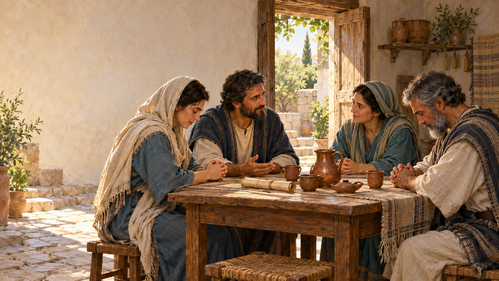
As Paul brings his letter to the Colossians to a close, something interesting happens. After three chapters of rich teaching about the supremacy of Christ, the fullness of God's grace, and the new life believers have received in Jesus, Paul turns his attention to prayer, everyday conversations, and a long list of personal greetings.
At first glance, it might seem like he's simply wrapping things up. But these closing words show us what all that theology looks like when it takes root in the life of the church.
Paul begins with a straightforward instruction: “Keep on praying and guard your prayers with thanksgiving” (Colossians 4:2, CEB).
Prayer has been an important part of this letter from the beginning. Paul opened by telling the Colossians that he and his companions were praying for them, asking God to fill them with wisdom and help them grow in lives worthy of the Lord. Now, he asks the Colossians to pray for him.
Think about that for a moment. Here's Paul, an apostle who has traveled throughout the Roman world proclaiming the gospel, established churches, endured persecution, and faithfully followed Christ through extraordinary hardship. Yet he asks a relatively young community of believers to pray for him. Paul understands something we can easily forget: none of us reaches a point in our Christian walk where we no longer need the prayers and encouragement of others. And notice what Paul asks them to pray for.
He's imprisoned, but his primary request isn't for freedom or relief from suffering. He asks that God would open a door for the message of Christ and help him proclaim it clearly. Even in chains, Paul's heart remains committed to the mission God has entrusted to him. That doesn't mean his circumstances don't matter. His closing request, “Remember that I'm in prison” (v 18), reminds us that Paul is a real person facing real hardship. He needs the care, encouragement, and prayers of the church. But his circumstances haven't changed his calling.
Then Paul turns his attention to how the Colossians themselves should live among those who don't yet believe. “Conduct yourselves wisely toward outsiders, making the most of the opportunity. Your speech should always be gracious and sprinkled with insight so that you may know how to respond to every person” (Colossians 4:5–6, CEB). There's a great deal of practical wisdom packed into these words.
Paul doesn't tell believers to win every argument or overwhelm people with religious knowledge. He calls them to wisdom, gracious speech, and thoughtful engagement. Our witness isn't measured by how loudly we proclaim what we believe. It's revealed in how faithfully our words and actions reflect the Christ we proclaim.
That requires us to listen as well as speak. It means recognizing that people have different questions, experiences, and struggles. A gracious response begins by caring enough about someone to understand what they're actually asking. And remember where we've been in Colossians. Paul has already told us to clothe ourselves with compassion, kindness, humility, gentleness, and patience. He's called the church to bear with one another, forgive one another, and put on love. Now those same qualities are to shape our relationships with people outside the church. The character of Christ being formed within us should become visible in the way we engage the world around us.
The rest of the chapter brings that truth into an even more personal setting. Paul names people. Lots of people. Tychicus and Onesimus are carrying news and encouragement to the Colossians. Aristarchus, Mark, and Justus have been sources of comfort to Paul. Epaphras continues to labor in prayer for the believers back home. Luke, Nympha, Archippus, and others are recognized as part of this growing fellowship. It's tempting to skim over these names, especially when we don't know much about many of them. But doing so would mean missing something important about the church Paul has spent this letter describing.
The gospel isn't an abstract collection of beliefs. It's the good news of Jesus Christ, who reconciles us to God and brings us into a new community of faith. And that community is sustained through relationships. Through people who pray for one another, encourage one another, carry messages, extend hospitality, share burdens, and remain faithful in the responsibilities God has entrusted to them.
Even the churches themselves are connected. Paul instructs the Colossians to share his letter with the believers in Laodicea and to read the letter coming from there. They aren't isolated congregations pursuing separate missions. They belong to something larger than themselves. I think that's an important reminder for us today.
We can become so focused on our individual relationship with Jesus that we lose sight of the shared life into which Jesus has called us. We may attend worship, participate in ministry, and grow in our understanding of Scripture, yet still approach faith as though it's something we're meant to manage independently. But that's not the picture Paul gives us.
Throughout Colossians, we've been reminded that Christ is the head of the church and that we are members of his Body. Our growth in holiness happens within a community where God's grace is at work through the Holy Spirit, shaping how we love, serve, forgive, encourage, and pray for one another.
As we finish Colossians, perhaps the most fitting response is to recognize that the fullness of life we have received in Christ was never intended to be lived alone. We belong to Christ, and in Christ, we belong to one another. Our prayers strengthen the fellowship. Our words reveal the grace we've received. Our faithful service participates in God's ongoing work. And together, we become a living witness to the transforming love of Jesus Christ.
At first glance, it might seem like he's simply wrapping things up. But these closing words show us what all that theology looks like when it takes root in the life of the church.
Paul begins with a straightforward instruction: “Keep on praying and guard your prayers with thanksgiving” (Colossians 4:2, CEB).
Prayer has been an important part of this letter from the beginning. Paul opened by telling the Colossians that he and his companions were praying for them, asking God to fill them with wisdom and help them grow in lives worthy of the Lord. Now, he asks the Colossians to pray for him.
Think about that for a moment. Here's Paul, an apostle who has traveled throughout the Roman world proclaiming the gospel, established churches, endured persecution, and faithfully followed Christ through extraordinary hardship. Yet he asks a relatively young community of believers to pray for him. Paul understands something we can easily forget: none of us reaches a point in our Christian walk where we no longer need the prayers and encouragement of others. And notice what Paul asks them to pray for.
He's imprisoned, but his primary request isn't for freedom or relief from suffering. He asks that God would open a door for the message of Christ and help him proclaim it clearly. Even in chains, Paul's heart remains committed to the mission God has entrusted to him. That doesn't mean his circumstances don't matter. His closing request, “Remember that I'm in prison” (v 18), reminds us that Paul is a real person facing real hardship. He needs the care, encouragement, and prayers of the church. But his circumstances haven't changed his calling.
Then Paul turns his attention to how the Colossians themselves should live among those who don't yet believe. “Conduct yourselves wisely toward outsiders, making the most of the opportunity. Your speech should always be gracious and sprinkled with insight so that you may know how to respond to every person” (Colossians 4:5–6, CEB). There's a great deal of practical wisdom packed into these words.
Paul doesn't tell believers to win every argument or overwhelm people with religious knowledge. He calls them to wisdom, gracious speech, and thoughtful engagement. Our witness isn't measured by how loudly we proclaim what we believe. It's revealed in how faithfully our words and actions reflect the Christ we proclaim.
That requires us to listen as well as speak. It means recognizing that people have different questions, experiences, and struggles. A gracious response begins by caring enough about someone to understand what they're actually asking. And remember where we've been in Colossians. Paul has already told us to clothe ourselves with compassion, kindness, humility, gentleness, and patience. He's called the church to bear with one another, forgive one another, and put on love. Now those same qualities are to shape our relationships with people outside the church. The character of Christ being formed within us should become visible in the way we engage the world around us.
The rest of the chapter brings that truth into an even more personal setting. Paul names people. Lots of people. Tychicus and Onesimus are carrying news and encouragement to the Colossians. Aristarchus, Mark, and Justus have been sources of comfort to Paul. Epaphras continues to labor in prayer for the believers back home. Luke, Nympha, Archippus, and others are recognized as part of this growing fellowship. It's tempting to skim over these names, especially when we don't know much about many of them. But doing so would mean missing something important about the church Paul has spent this letter describing.
The gospel isn't an abstract collection of beliefs. It's the good news of Jesus Christ, who reconciles us to God and brings us into a new community of faith. And that community is sustained through relationships. Through people who pray for one another, encourage one another, carry messages, extend hospitality, share burdens, and remain faithful in the responsibilities God has entrusted to them.
Even the churches themselves are connected. Paul instructs the Colossians to share his letter with the believers in Laodicea and to read the letter coming from there. They aren't isolated congregations pursuing separate missions. They belong to something larger than themselves. I think that's an important reminder for us today.
We can become so focused on our individual relationship with Jesus that we lose sight of the shared life into which Jesus has called us. We may attend worship, participate in ministry, and grow in our understanding of Scripture, yet still approach faith as though it's something we're meant to manage independently. But that's not the picture Paul gives us.
Throughout Colossians, we've been reminded that Christ is the head of the church and that we are members of his Body. Our growth in holiness happens within a community where God's grace is at work through the Holy Spirit, shaping how we love, serve, forgive, encourage, and pray for one another.
As we finish Colossians, perhaps the most fitting response is to recognize that the fullness of life we have received in Christ was never intended to be lived alone. We belong to Christ, and in Christ, we belong to one another. Our prayers strengthen the fellowship. Our words reveal the grace we've received. Our faithful service participates in God's ongoing work. And together, we become a living witness to the transforming love of Jesus Christ.
Faith In Action
Today, reach out to one person in your church family. Ask how you can pray for them, and share one specific way they can pray for you. Take time to pray for one another, remembering that both giving and receiving encouragement are part of our shared life in Christ.
Today's Prayer
Gracious God, thank you for calling us into a life of faith that we don't have to live alone. Forgive us for the times we've tried to carry our burdens without others or failed to recognize the needs of those around us. Teach us to pray faithfully, speak graciously, and serve one another with the love of Christ. Open our eyes to the opportunities you place before us to share the hope of the gospel. Through your Holy Spirit, continue shaping us into a community that reflects your grace, grows in holiness, and bears witness to Jesus in everything we do. Amen.
Posted in Bible Reading Plan 2026
Recent
Categories
Archive
2026
January
My Word for the Year... LIGHT2026 Reading Plan Reflections - Day 12026 Reading Plan Reflections - Day 22026 Reading Plan Reflections - Day 32026 Reading Plan Reflections - Day 42026 Reading Plan Reflections - Day 5Welcome to 2026 - New Resources2026 Reading Plan Reflections - Day 62026 Reading Plan Reflections - Day 72026 Reading Plan Reflections - Day 8New Year Prayer Focus2026 Reading Plan Reflections - Day 92026 Reading Plan Reflections - Day 102026 Reading Plan Reflections - Day 112026 Reading Plan Reflections - Day 122026 Reading Plan Reflections - Day 132026 Reading Plan Reflections - Day 142026 Reading Plan Reflections - Day 152026 Reading Plan Reflections - Day 16Darkness and Light2026 Reading Plan Reflections - Day 172026 Reading Plan Reflections - Day 182026 Reading Plan Reflections - Day 192026 Reading Plan Reflections - Day 202026 Reading Plan Reflections - Day 212026 Reading Plan Reflections - Day 222026 Reading Plan Reflections - Day 232026 Reading Plan Reflections - Day 242026 Reading Plan Reflections - Day 252026 Reading Plan Reflections - Day 262026 Reading Plan Reflections - Day 272026 Reading Plan Reflections - Day 282026 Reading Plan Reflections - Day 292026 Reading Plan Reflections - Day 30Together as the Body of Christ2026 Reading Plan Reflections - Day 31
February
2026 Reading Plan Reflections - Day 322026 Reading Plan Reflections - Day 332026 Reading Plan Reflections - Day 342026 Reading Plan Reflections - Day 352026 Reading Plan Reflections - Day 362026 Reading Plan Reflections - Day 37This Shouldn’t Need to Be Said...2026 Reading Plan Reflections - Day 382026 Reading Plan Reflections - Day 392026 Reading Plan Reflections - Day 402026 Reading Plan Reflections - Day 412026 Reading Plan Reflections - Day 422026 Reading Plan Reflections - Day 432026 Reading Plan Reflections - Day 442026 Reading Plan Reflections - Day 452026 Reading Plan Reflections - Day 462026 Reading Plan Reflections - Day 472026 Reading Plan Reflections - Day 482026 Reading Plan Reflections - Day 492026 Reading Plan Reflections - Day 502026 Reading Plan Reflections - Day 512026 Reading Plan Reflections - Day 522026 Reading Plan Reflections - Day 532026 Reading Plan Reflections - Day 542026 Reading Plan Reflections - Day 552026 Reading Plan Reflections - Day 562026 Reading Plan Reflections - Day 572026 Reading Plan Reflections - Day 582026 Reading Plan Reflections - Day 59
March
2026 Reading Plan Reflections - Day 602026 Reading Plan Reflections - Day 612026 Reading Plan Reflections - Day 622026 Reading Plan Reflections - Day 632026 Reading Plan Reflections - Day 642026 Reading Plan Reflections - Day 652026 Reading Plan Reflections - Day 662026 Reading Plan Reflections - Day 672026 Reading Plan Reflections - Day 682026 Reading Plan Reflections - Day 692026 Reading Plan Reflections - Day 702026 Reading Plan Reflections - Day 712026 Reading Plan Reflections - Day 722026 Reading Plan Reflections - Day 732026 Reading Plan Reflections - Day 742026 Reading Plan Reflections - Day 752026 Reading Plan Reflections - Day 762026 Reading Plan Reflections - Day 772026 Reading Plan Reflections - Day 782026 Reading Plan Reflections - Day 792026 Reading Plan Reflections - Day 802026 Reading Plan Reflections - Day 812026 Reading Plan Reflections - Day 822026 Reading Plan Reflections - Day 832026 Reading Plan Reflections - Day 84
April
2026 Reading Plan Reflections - Days 85 & 862026 Reading Plan Reflections - Day 872026 Reading Plan Reflections - Day 882026 Reading Plan Reflections - Day 892026 Reading Plan Reflections - Day 902026 Reading Plan Reflections - Day 912026 Reading Plan Reflections - Day 922026 Reading Plan Reflections - Day 932026 Reading Plan Reflections - Day 942026 Reading Plan Reflections - Day 95
No Comments