
2026 Reading Plan Reflections - Day 291
Growing in Grace, Standing in Faith
2 Thessalonians 1
“We must always thank God for you, brothers and sisters. This is only right, because your faith is growing more and more, and the love that every one of you has for each other is increasing.” 2 Thessalonians 1:3, CEB
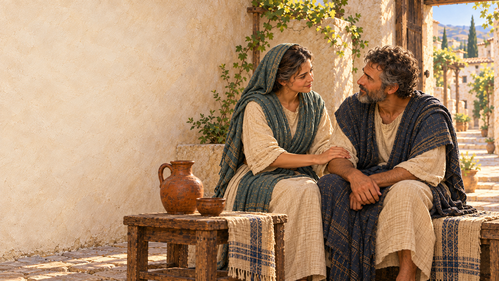
Paul begins his second letter to the Thessalonians with an expression of gratitude. He has heard how this young church is doing, and despite the difficulties they continue to face, he has good reason to give thanks. Their faith is growing. Their love for one another is increasing. And even under persecution, they remain steadfast in their commitment to Christ.
Think about that for a moment. Paul isn't celebrating a church because its circumstances have improved. He's celebrating what God is doing within the church while those difficult circumstances continue. “We must always thank God for you, brothers and sisters. This is only right, because your faith is growing more and more, and the love that every one of you has for each other is increasing” (2 Thessalonians 1:3, CEB).
When we think about signs of a healthy church, what comes to mind? Attendance? Financial stability? New programs? A growing influence in the community? Those things can certainly tell us something about a congregation, but Paul's attention is elsewhere. He's looking for evidence that God's grace is transforming people. And he finds it in their growing faith, increasing love, and perseverance through suffering.
Spiritual growth isn't always measured by what changes around us. Sometimes it's revealed by what God is changing within us.
The Thessalonians haven't escaped their troubles. In fact, Paul acknowledges that their suffering continues. But the hardships haven't stopped their growth. Their faith is deepening, their relationships are strengthening, and their commitment to Jesus remains firm.
This doesn't mean suffering automatically produces spiritual maturity. We know that hardship can also leave people exhausted, discouraged, or questioning what they believe. The Thessalonians aren't growing because suffering is somehow good for them. They're growing because God's grace continues to work in their lives, even in the midst of suffering. And Paul recognizes that growth as a reason to thank God.
But then the letter takes a turn that may make us uncomfortable. Paul begins speaking about God's righteous judgment, the return of Jesus, and the consequences awaiting those who oppose God and persecute God's people. These are difficult words, especially when we remember that the God revealed in Jesus Christ is a God of grace, mercy, and love. Yet we shouldn't overlook what Paul is communicating to this suffering congregation.
The Thessalonians are living in a world where those who hold power can mistreat others without facing immediate consequences. They know what it's like to be vulnerable because of their allegiance to Jesus. Paul reminds them that the injustice they experience will not have the final word.
God sees. God knows. And God will ultimately make things right.
There's an important distinction between justice and revenge. Revenge seeks to return pain for pain. Justice seeks to confront evil, uphold what is right, and restore what has been broken.
Paul is reminding the Thessalonians that they don't need to take matters into their own hands. Their future is secure in the hands of the risen Christ, whose judgment is righteous and whose authority is greater than any earthly power.
We may struggle with the severity of Paul's language, but we shouldn't dismiss the promise beneath it. A world in which evil is never confronted and injustice is never answered would offer little hope to those who suffer. The return of Christ is a promise that God's kingdom will ultimately prevail.
Rather than encouraging the Thessalonians to focus on the punishment of their enemies, he turns his attention back to their own lives and offers a prayer: “We always pray for you that our God will make you worthy of his calling, and that by his power God will fulfill your every desire to do good and your work that is produced by faith” (2 Thessalonians 1:11, CEB).
Paul's prayer brings us back to the heart of the chapter. God has called these believers into a new life through Jesus Christ. That calling is already producing visible fruit, and Paul prays that God's power will continue the work.
This is the shape of holiness we've been discovering throughout our New Testament reading. God reaches toward us in grace, invites us into a relationship through Christ, and continues transforming us as we respond in faith.
Being worthy of God's calling doesn't mean earning the right to belong to Christ. It means allowing the grace that welcomed us into God's family to shape the way we live as members of that family. Paul wants the Thessalonians to become increasingly recognizable as people who belong to Jesus. And that brings us back to his opening thanksgiving.
Growing faith. Increasing love. Steadfast hope. These aren't abstract religious achievements. They're evidence of the Holy Spirit at work in an ordinary community of believers who are learning to follow Jesus together.
As we consider our own lives and the life of our church, perhaps we can learn something from what Paul chooses to celebrate. Are we growing in faith, even when we don't have all the answers? Is our love for one another becoming more evident in how we speak, serve, forgive, and care? Are we learning to remain faithful when circumstances don't unfold as we'd hoped?
We won't always recognize spiritual growth while it's happening. Sometimes we need others to help us see the work of grace unfolding in our lives.
Paul saw that work in the Thessalonians, and he gave thanks to God. May we learn to recognize it, encourage it, and participate in it as well.
Think about that for a moment. Paul isn't celebrating a church because its circumstances have improved. He's celebrating what God is doing within the church while those difficult circumstances continue. “We must always thank God for you, brothers and sisters. This is only right, because your faith is growing more and more, and the love that every one of you has for each other is increasing” (2 Thessalonians 1:3, CEB).
When we think about signs of a healthy church, what comes to mind? Attendance? Financial stability? New programs? A growing influence in the community? Those things can certainly tell us something about a congregation, but Paul's attention is elsewhere. He's looking for evidence that God's grace is transforming people. And he finds it in their growing faith, increasing love, and perseverance through suffering.
Spiritual growth isn't always measured by what changes around us. Sometimes it's revealed by what God is changing within us.
The Thessalonians haven't escaped their troubles. In fact, Paul acknowledges that their suffering continues. But the hardships haven't stopped their growth. Their faith is deepening, their relationships are strengthening, and their commitment to Jesus remains firm.
This doesn't mean suffering automatically produces spiritual maturity. We know that hardship can also leave people exhausted, discouraged, or questioning what they believe. The Thessalonians aren't growing because suffering is somehow good for them. They're growing because God's grace continues to work in their lives, even in the midst of suffering. And Paul recognizes that growth as a reason to thank God.
But then the letter takes a turn that may make us uncomfortable. Paul begins speaking about God's righteous judgment, the return of Jesus, and the consequences awaiting those who oppose God and persecute God's people. These are difficult words, especially when we remember that the God revealed in Jesus Christ is a God of grace, mercy, and love. Yet we shouldn't overlook what Paul is communicating to this suffering congregation.
The Thessalonians are living in a world where those who hold power can mistreat others without facing immediate consequences. They know what it's like to be vulnerable because of their allegiance to Jesus. Paul reminds them that the injustice they experience will not have the final word.
God sees. God knows. And God will ultimately make things right.
There's an important distinction between justice and revenge. Revenge seeks to return pain for pain. Justice seeks to confront evil, uphold what is right, and restore what has been broken.
Paul is reminding the Thessalonians that they don't need to take matters into their own hands. Their future is secure in the hands of the risen Christ, whose judgment is righteous and whose authority is greater than any earthly power.
We may struggle with the severity of Paul's language, but we shouldn't dismiss the promise beneath it. A world in which evil is never confronted and injustice is never answered would offer little hope to those who suffer. The return of Christ is a promise that God's kingdom will ultimately prevail.
Rather than encouraging the Thessalonians to focus on the punishment of their enemies, he turns his attention back to their own lives and offers a prayer: “We always pray for you that our God will make you worthy of his calling, and that by his power God will fulfill your every desire to do good and your work that is produced by faith” (2 Thessalonians 1:11, CEB).
Paul's prayer brings us back to the heart of the chapter. God has called these believers into a new life through Jesus Christ. That calling is already producing visible fruit, and Paul prays that God's power will continue the work.
This is the shape of holiness we've been discovering throughout our New Testament reading. God reaches toward us in grace, invites us into a relationship through Christ, and continues transforming us as we respond in faith.
Being worthy of God's calling doesn't mean earning the right to belong to Christ. It means allowing the grace that welcomed us into God's family to shape the way we live as members of that family. Paul wants the Thessalonians to become increasingly recognizable as people who belong to Jesus. And that brings us back to his opening thanksgiving.
Growing faith. Increasing love. Steadfast hope. These aren't abstract religious achievements. They're evidence of the Holy Spirit at work in an ordinary community of believers who are learning to follow Jesus together.
As we consider our own lives and the life of our church, perhaps we can learn something from what Paul chooses to celebrate. Are we growing in faith, even when we don't have all the answers? Is our love for one another becoming more evident in how we speak, serve, forgive, and care? Are we learning to remain faithful when circumstances don't unfold as we'd hoped?
We won't always recognize spiritual growth while it's happening. Sometimes we need others to help us see the work of grace unfolding in our lives.
Paul saw that work in the Thessalonians, and he gave thanks to God. May we learn to recognize it, encourage it, and participate in it as well.
Faith In Action
Think of one person in whom you've witnessed growing faith, love, or perseverance. Reach out today and tell them what you've noticed. Encourage them with the reminder that God's grace is at work in their life, even if they haven't recognized that growth themselves.
Today's Prayer
Gracious God, thank you for the work you continue to do in our lives, even when our circumstances remain difficult. Help us recognize the ways your grace is strengthening our faith, deepening our love, and teaching us to persevere. When we encounter injustice, remind us that our hope rests in the righteousness and faithfulness of Jesus Christ. Keep us from bitterness and the desire for revenge, and teach us to trust your judgment. Through the power of your Holy Spirit, continue shaping us into people who reflect the character of Christ. Open our eyes to the growth we see in others, and give us the courage to encourage one another along the way. May the name of Jesus be glorified in the way we live and love. Amen.
Posted in Bible Reading Plan 2026
Recent
Categories
Archive
2026
January
My Word for the Year... LIGHT2026 Reading Plan Reflections - Day 12026 Reading Plan Reflections - Day 22026 Reading Plan Reflections - Day 32026 Reading Plan Reflections - Day 42026 Reading Plan Reflections - Day 5Welcome to 2026 - New Resources2026 Reading Plan Reflections - Day 62026 Reading Plan Reflections - Day 72026 Reading Plan Reflections - Day 8New Year Prayer Focus2026 Reading Plan Reflections - Day 92026 Reading Plan Reflections - Day 102026 Reading Plan Reflections - Day 112026 Reading Plan Reflections - Day 122026 Reading Plan Reflections - Day 132026 Reading Plan Reflections - Day 142026 Reading Plan Reflections - Day 152026 Reading Plan Reflections - Day 16Darkness and Light2026 Reading Plan Reflections - Day 172026 Reading Plan Reflections - Day 182026 Reading Plan Reflections - Day 192026 Reading Plan Reflections - Day 202026 Reading Plan Reflections - Day 212026 Reading Plan Reflections - Day 222026 Reading Plan Reflections - Day 232026 Reading Plan Reflections - Day 242026 Reading Plan Reflections - Day 252026 Reading Plan Reflections - Day 262026 Reading Plan Reflections - Day 272026 Reading Plan Reflections - Day 282026 Reading Plan Reflections - Day 292026 Reading Plan Reflections - Day 30Together as the Body of Christ2026 Reading Plan Reflections - Day 31
February
2026 Reading Plan Reflections - Day 322026 Reading Plan Reflections - Day 332026 Reading Plan Reflections - Day 342026 Reading Plan Reflections - Day 352026 Reading Plan Reflections - Day 362026 Reading Plan Reflections - Day 37This Shouldn’t Need to Be Said...2026 Reading Plan Reflections - Day 382026 Reading Plan Reflections - Day 392026 Reading Plan Reflections - Day 402026 Reading Plan Reflections - Day 412026 Reading Plan Reflections - Day 422026 Reading Plan Reflections - Day 432026 Reading Plan Reflections - Day 442026 Reading Plan Reflections - Day 452026 Reading Plan Reflections - Day 462026 Reading Plan Reflections - Day 472026 Reading Plan Reflections - Day 482026 Reading Plan Reflections - Day 492026 Reading Plan Reflections - Day 502026 Reading Plan Reflections - Day 512026 Reading Plan Reflections - Day 522026 Reading Plan Reflections - Day 532026 Reading Plan Reflections - Day 542026 Reading Plan Reflections - Day 552026 Reading Plan Reflections - Day 562026 Reading Plan Reflections - Day 572026 Reading Plan Reflections - Day 582026 Reading Plan Reflections - Day 59
March
2026 Reading Plan Reflections - Day 602026 Reading Plan Reflections - Day 612026 Reading Plan Reflections - Day 622026 Reading Plan Reflections - Day 632026 Reading Plan Reflections - Day 642026 Reading Plan Reflections - Day 652026 Reading Plan Reflections - Day 662026 Reading Plan Reflections - Day 672026 Reading Plan Reflections - Day 682026 Reading Plan Reflections - Day 692026 Reading Plan Reflections - Day 702026 Reading Plan Reflections - Day 712026 Reading Plan Reflections - Day 722026 Reading Plan Reflections - Day 732026 Reading Plan Reflections - Day 742026 Reading Plan Reflections - Day 752026 Reading Plan Reflections - Day 762026 Reading Plan Reflections - Day 772026 Reading Plan Reflections - Day 782026 Reading Plan Reflections - Day 792026 Reading Plan Reflections - Day 802026 Reading Plan Reflections - Day 812026 Reading Plan Reflections - Day 822026 Reading Plan Reflections - Day 832026 Reading Plan Reflections - Day 84
April
2026 Reading Plan Reflections - Days 85 & 862026 Reading Plan Reflections - Day 872026 Reading Plan Reflections - Day 882026 Reading Plan Reflections - Day 892026 Reading Plan Reflections - Day 902026 Reading Plan Reflections - Day 912026 Reading Plan Reflections - Day 922026 Reading Plan Reflections - Day 932026 Reading Plan Reflections - Day 942026 Reading Plan Reflections - Day 95
No Comments