
2026 Reading Plan Reflections - Day 293
Faithful in Love and Action
2 Thessalonians 3
“Brothers and sisters, don't get discouraged in doing what is right.” 2 Thessalonians 3:13, CEB
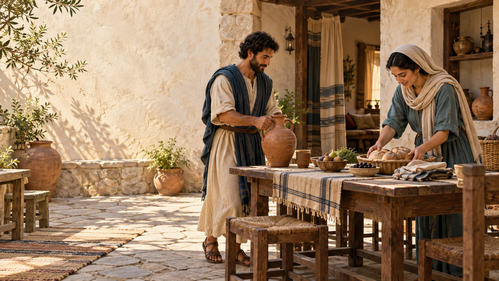
Paul closes his second letter to the Thessalonians with a reminder that following Jesus changes how we live together. Throughout these two letters, he has encouraged a young church facing persecution, uncertainty about Christ’s return, and the challenges of learning what it means to live as God's people. Now, as he prepares to conclude, his attention turns to the ordinary responsibilities of a faithful Christian community.
His message brings together prayer, work, and accountability. All three are expressions of a life being shaped by the grace of Jesus.
Paul begins by asking the Thessalonians to pray for him and his companions. He wants the Lord's message to spread and be honored, just as it has among them. He also asks for protection from those who oppose the gospel.
There's something significant about this request. Paul is the apostle who brought the gospel to Thessalonica. He has taught these believers, encouraged them, and helped establish their faith. Yet he doesn't imagine himself as somehow beyond needing their prayers. They need one another.
The work of God's kingdom isn't carried forward by a few extraordinary individuals while everyone else watches. The whole church participates. Some preach, some teach, some serve, and some quietly pray for the work being done elsewhere. Each has a place in God's mission. And beneath all this shared responsibility stands a promise: "But the Lord is faithful and will give you strength and protect you from the evil one" (2 Thessalonians 3:3, CEB).
Our faithfulness begins with God's faithfulness. We can participate confidently in God's work because the Lord is already at work among us.
From there, Paul addresses a more uncomfortable situation within the church. Some believers have stopped carrying their responsibilities. Instead of contributing to the community, they have become dependent on the work of others while occupying themselves with matters that aren't theirs to manage.
Paul is direct. Those who are unwilling to work should not expect others to support their deliberate idleness. That instruction has sometimes been used to justify withholding help from people who are poor, unemployed, disabled, or otherwise unable to provide for themselves. But that isn't the situation Paul is addressing. His concern is with people who will not work, not people who cannot work. In a community committed to caring for one another, some have begun taking advantage of the generosity of others. Paul understands that Christian love carries responsibilities in both directions.
Those who have resources are called to share generously with those in need. Those who are able to contribute are called to do so faithfully. Neither responsibility cancels the other. Both belong to the life of a community learning to love as Christ loves.
Paul had demonstrated this himself. Although he could have expected financial support for his ministry, he worked to provide for his own needs while living among the Thessalonians. His example wasn't intended to establish independence as the highest Christian virtue. It demonstrated a willingness to put the needs of others ahead of his own privileges. This is what Christlike love looks like in practice.
It's easy to think about holiness primarily in terms of our personal conduct. We consider the things we should avoid, the spiritual disciplines we should practice, and the attitudes we need God to change. But holiness also takes shape in our relationships and our shared responsibilities. It influences whether we contribute to the well-being of others, whether we take advantage of someone's kindness, and whether we're willing to do the quiet, ordinary work that helps a community flourish. And sometimes, love requires a difficult conversation.
Paul instructs the church to address those who refuse to live according to the teaching they've received. But notice the important qualification he adds: "Don't consider them enemies, but warn them as if they were members of your own family" (3:15, CEB). Christian accountability is meant to restore, not reject. That's a challenging distinction to maintain. We sometimes avoid confronting harmful behavior because we don't want to appear unloving. At other times, we allow frustration or disappointment to turn correction into condemnation. Paul offers another way.
Because we belong to one another in Christ, we're responsible for helping one another remain faithful. Correction should be approached with humility, patience, and a genuine desire for restoration. The same grace that welcomes us into God's family continues working to shape how we live within it.
Near the end of this chapter, Paul offers a short encouragement that draws everything together: "Brothers and sisters, don't get discouraged in doing what is right" (3:13, CEB). It can be tiring to keep serving when others don't seem willing to help. It can be discouraging to keep showing kindness when relationships are strained. It can be difficult to pursue peace while also maintaining healthy expectations and boundaries.
Yet, Paul doesn't tell the Thessalonians to abandon their responsibilities or give up on one another. He directs them toward the Lord whose faithfulness makes their own faithfulness possible. And he ends where the Christian life always begins: with the peace and grace of Jesus Christ.
As we've made our way through both letters to the Thessalonians, we've heard Paul repeatedly call believers to remain steadfast in hope, grow in holiness, and encourage one another. Now we see what that looks like when faith meets the practical demands of everyday life.
We pray for one another. We contribute what we can. We receive help when we need it. We hold one another accountable with love. And through it all, we trust the Holy Spirit to keep forming us into a people who reflect the character of Christ.
Faithfulness isn't always dramatic. Often, it's found in the ordinary ways we continue loving, serving, and caring for one another. May we never grow weary of doing what is right.
Faith In Action
Think of one responsibility you share within your family, church, or community. Today, take one practical step to fulfill that responsibility with a willing heart, remembering that even ordinary acts of service can become expressions of Christlike love.
Today's Prayer
Lord Jesus, thank you for your faithfulness, especially when we grow tired or discouraged. You have welcomed us into your family through grace and called us to share life with one another. Forgive us when we take the kindness of others for granted, neglect our responsibilities, or allow frustration to replace love. Teach us to serve willingly, receive help humbly, and encourage one another faithfully. When difficult conversations are necessary, give us wisdom to speak with both truth and grace. Strengthen your church through the work of the Holy Spirit, so that our life together reflects your love and advances your mission. Keep us from growing weary in doing what is right. Amen.
Posted in Bible Reading Plan 2026
Recent
Categories
Archive
2026
January
My Word for the Year... LIGHT2026 Reading Plan Reflections - Day 12026 Reading Plan Reflections - Day 22026 Reading Plan Reflections - Day 32026 Reading Plan Reflections - Day 42026 Reading Plan Reflections - Day 5Welcome to 2026 - New Resources2026 Reading Plan Reflections - Day 62026 Reading Plan Reflections - Day 72026 Reading Plan Reflections - Day 8New Year Prayer Focus2026 Reading Plan Reflections - Day 92026 Reading Plan Reflections - Day 102026 Reading Plan Reflections - Day 112026 Reading Plan Reflections - Day 122026 Reading Plan Reflections - Day 132026 Reading Plan Reflections - Day 142026 Reading Plan Reflections - Day 152026 Reading Plan Reflections - Day 16Darkness and Light2026 Reading Plan Reflections - Day 172026 Reading Plan Reflections - Day 182026 Reading Plan Reflections - Day 192026 Reading Plan Reflections - Day 202026 Reading Plan Reflections - Day 212026 Reading Plan Reflections - Day 222026 Reading Plan Reflections - Day 232026 Reading Plan Reflections - Day 242026 Reading Plan Reflections - Day 252026 Reading Plan Reflections - Day 262026 Reading Plan Reflections - Day 272026 Reading Plan Reflections - Day 282026 Reading Plan Reflections - Day 292026 Reading Plan Reflections - Day 30Together as the Body of Christ2026 Reading Plan Reflections - Day 31
February
2026 Reading Plan Reflections - Day 322026 Reading Plan Reflections - Day 332026 Reading Plan Reflections - Day 342026 Reading Plan Reflections - Day 352026 Reading Plan Reflections - Day 362026 Reading Plan Reflections - Day 37This Shouldn’t Need to Be Said...2026 Reading Plan Reflections - Day 382026 Reading Plan Reflections - Day 392026 Reading Plan Reflections - Day 402026 Reading Plan Reflections - Day 412026 Reading Plan Reflections - Day 422026 Reading Plan Reflections - Day 432026 Reading Plan Reflections - Day 442026 Reading Plan Reflections - Day 452026 Reading Plan Reflections - Day 462026 Reading Plan Reflections - Day 472026 Reading Plan Reflections - Day 482026 Reading Plan Reflections - Day 492026 Reading Plan Reflections - Day 502026 Reading Plan Reflections - Day 512026 Reading Plan Reflections - Day 522026 Reading Plan Reflections - Day 532026 Reading Plan Reflections - Day 542026 Reading Plan Reflections - Day 552026 Reading Plan Reflections - Day 562026 Reading Plan Reflections - Day 572026 Reading Plan Reflections - Day 582026 Reading Plan Reflections - Day 59
March
2026 Reading Plan Reflections - Day 602026 Reading Plan Reflections - Day 612026 Reading Plan Reflections - Day 622026 Reading Plan Reflections - Day 632026 Reading Plan Reflections - Day 642026 Reading Plan Reflections - Day 652026 Reading Plan Reflections - Day 662026 Reading Plan Reflections - Day 672026 Reading Plan Reflections - Day 682026 Reading Plan Reflections - Day 692026 Reading Plan Reflections - Day 702026 Reading Plan Reflections - Day 712026 Reading Plan Reflections - Day 722026 Reading Plan Reflections - Day 732026 Reading Plan Reflections - Day 742026 Reading Plan Reflections - Day 752026 Reading Plan Reflections - Day 762026 Reading Plan Reflections - Day 772026 Reading Plan Reflections - Day 782026 Reading Plan Reflections - Day 792026 Reading Plan Reflections - Day 802026 Reading Plan Reflections - Day 812026 Reading Plan Reflections - Day 822026 Reading Plan Reflections - Day 832026 Reading Plan Reflections - Day 84
April
2026 Reading Plan Reflections - Days 85 & 862026 Reading Plan Reflections - Day 872026 Reading Plan Reflections - Day 882026 Reading Plan Reflections - Day 892026 Reading Plan Reflections - Day 902026 Reading Plan Reflections - Day 912026 Reading Plan Reflections - Day 922026 Reading Plan Reflections - Day 932026 Reading Plan Reflections - Day 942026 Reading Plan Reflections - Day 95
No Comments