
2026 Reading Plan Reflections - Day 295
A Church That Prays For All
1 Timothy 2
“The goal of instruction is love from a pure heart, a good conscience, and a sincere faith.” 1 Timothy 1:5 CEB
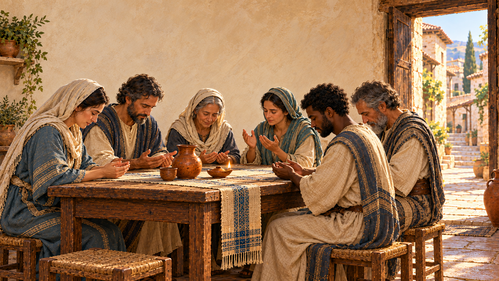
Paul begins this chapter with a clear instruction: before addressing the church’s worship practices, relationships, or responsibilities, he tells Timothy what should come first.
Prayer. “First of all, then, I ask that requests, prayers, petitions, and thanksgiving be made for all people” (1 Timothy 2:1, CEB). Notice those last two words: all people.
Most of us have a fairly predictable pattern to our prayers. We pray for our families, friends, neighbors, and fellow believers. We remember those facing illness, hardship, or loss. We bring our own concerns before God, trusting that nothing is too small or too great for God's attention. And that's good. We're supposed to bring those concerns to God. But Paul wants the church to develop a much wider vision of prayer. He specifically mentions kings and others in authority, including those whose decisions affect the lives of people they may never meet.
Remember, Paul wasn't writing to Christians living under a government that shared their convictions. The Roman Empire claimed authority over much of the known world, and its rulers were hardly examples of Christian virtue. Christians could not assume that those governing them would protect their interests or respect their faith. Yet Paul tells them to pray for their leaders.
He doesn't say they must agree with everything those leaders do. He certainly doesn't suggest that political authority deserves unquestioning allegiance. Instead, he calls believers to pray for a society in which people can live peacefully, practice godliness, and pursue holiness. And then he explains why. “This is right and it pleases God our savior, who wants all people to be saved and to come to a knowledge of the truth” (1 Timothy 2:3–4, CEB). There is something much bigger happening here than a lesson about praying for government officials. Paul is teaching the church to see the world through the saving purposes of God.
God's concern reaches beyond our families, congregations, communities, and nations. God's desire is that all people would come to know the truth revealed in Jesus Christ. That includes people we love and people we struggle to love. It includes those who share our convictions and those who oppose them. It includes those who exercise authority wisely and those whose leadership leaves much to be desired.
In verse 5, Paul reminds us that there is one God and one mediator between God and humanity, Christ Jesus, who gave himself as a ransom for all. Jesus is the foundation of this extraordinary invitation to prayer. We don't pray for others because they've earned our approval. We pray because Christ gave himself for them, just as he gave himself for us. That understanding should change how the church approaches the world. And it should change how we approach one another.
As Paul moves into the second half of the chapter, his attention shifts toward the conduct of men and women within the worshiping community. He tells men to pray without anger or arguments. He encourages women to demonstrate godliness through good works rather than displays of wealth or status. And he addresses questions about learning, teaching, and authority within the church.
These closing verses have generated considerable debate among Christians, particularly concerning the roles of women in ministry. Faithful readers have reached different conclusions about how Paul's instructions should be understood and applied. Some understand his restrictions on teaching as universal. Others understand them as addressing particular problems within the Ephesian church, where Timothy was serving. Paul's instruction that women should learn is significant in either discussion, especially in a world where educational opportunities were often restricted.
As Nazarenes, we affirm God's calling and gifting of both women and men for the work of ministry. We also recognize the importance of reading difficult passages carefully, allowing the whole witness of Scripture to inform our understanding. But we shouldn't allow the difficulty of these verses to obscure the chapter's larger concern. Paul is addressing a community whose life together must reflect the character and purposes of God.
Anger and arguments threaten that witness. Displays of wealth and status can distract from it. The misuse of authority can damage it. And when our relationships become contests for control or recognition, we lose sight of the One who gave himself for all. The church is called to something better.
Our prayers, relationships, worship, and service should reflect the grace of the God who desires to bring people into a saving relationship with Jesus Christ. That's a challenging standard, especially when we consider how easily our prayers and attitudes can be shaped by personal loyalties, political preferences, and disagreements within the church. It's also an opportunity for the Holy Spirit to continue the work of holiness within us.
Prayer opens us to that work. As we bring others before God, including people we find difficult to understand or love, we make room for grace to reshape our hearts. We begin to recognize that the people around us are not obstacles, opponents, or categories to be managed. They are people whom God loves and whom Christ came to save.
Imagine what might happen if our churches became known for that kind of prayer. Not prayer that seeks God's endorsement of our preferences, but prayer that places our preferences under God's transforming grace. Not prayer limited to the people we already love, but prayer that teaches us to love more faithfully.
Paul's first instruction to Timothy reminds us that the church's mission begins with an expansive understanding of God's grace. We pray for all because Christ gave himself for all. And as we pray, we trust the Holy Spirit to make us more like the Savior whose love knows no boundaries.
Faith In Action
Today, pray intentionally for someone in authority with whom you disagree or whose decisions concern you. Ask God to grant them wisdom, justice, and compassion. Then pray that the Holy Spirit would shape your own heart toward the people affected by their leadership.
Today's Prayer
Gracious God, thank you for loving the world so completely that you sent Jesus Christ to bring salvation to all who will receive your grace. Forgive us when our prayers become too narrow, when our disagreements turn into anger, or when our loyalties keep us from seeing others as people you love. Teach us to pray for those who lead, for those who struggle, and for those whose lives and convictions differ from our own. Through the Holy Spirit, continue forming us into a holy people whose worship, relationships, and service reflect the character of Christ. May our life together bear witness to your saving grace, and may our prayers lead us into greater love and faithfulness. Amen.
Posted in Bible Reading Plan 2026
Recent
Categories
Archive
2026
January
My Word for the Year... LIGHT2026 Reading Plan Reflections - Day 12026 Reading Plan Reflections - Day 22026 Reading Plan Reflections - Day 32026 Reading Plan Reflections - Day 42026 Reading Plan Reflections - Day 5Welcome to 2026 - New Resources2026 Reading Plan Reflections - Day 62026 Reading Plan Reflections - Day 72026 Reading Plan Reflections - Day 8New Year Prayer Focus2026 Reading Plan Reflections - Day 92026 Reading Plan Reflections - Day 102026 Reading Plan Reflections - Day 112026 Reading Plan Reflections - Day 122026 Reading Plan Reflections - Day 132026 Reading Plan Reflections - Day 142026 Reading Plan Reflections - Day 152026 Reading Plan Reflections - Day 16Darkness and Light2026 Reading Plan Reflections - Day 172026 Reading Plan Reflections - Day 182026 Reading Plan Reflections - Day 192026 Reading Plan Reflections - Day 202026 Reading Plan Reflections - Day 212026 Reading Plan Reflections - Day 222026 Reading Plan Reflections - Day 232026 Reading Plan Reflections - Day 242026 Reading Plan Reflections - Day 252026 Reading Plan Reflections - Day 262026 Reading Plan Reflections - Day 272026 Reading Plan Reflections - Day 282026 Reading Plan Reflections - Day 292026 Reading Plan Reflections - Day 30Together as the Body of Christ2026 Reading Plan Reflections - Day 31
February
2026 Reading Plan Reflections - Day 322026 Reading Plan Reflections - Day 332026 Reading Plan Reflections - Day 342026 Reading Plan Reflections - Day 352026 Reading Plan Reflections - Day 362026 Reading Plan Reflections - Day 37This Shouldn’t Need to Be Said...2026 Reading Plan Reflections - Day 382026 Reading Plan Reflections - Day 392026 Reading Plan Reflections - Day 402026 Reading Plan Reflections - Day 412026 Reading Plan Reflections - Day 422026 Reading Plan Reflections - Day 432026 Reading Plan Reflections - Day 442026 Reading Plan Reflections - Day 452026 Reading Plan Reflections - Day 462026 Reading Plan Reflections - Day 472026 Reading Plan Reflections - Day 482026 Reading Plan Reflections - Day 492026 Reading Plan Reflections - Day 502026 Reading Plan Reflections - Day 512026 Reading Plan Reflections - Day 522026 Reading Plan Reflections - Day 532026 Reading Plan Reflections - Day 542026 Reading Plan Reflections - Day 552026 Reading Plan Reflections - Day 562026 Reading Plan Reflections - Day 572026 Reading Plan Reflections - Day 582026 Reading Plan Reflections - Day 59
March
2026 Reading Plan Reflections - Day 602026 Reading Plan Reflections - Day 612026 Reading Plan Reflections - Day 622026 Reading Plan Reflections - Day 632026 Reading Plan Reflections - Day 642026 Reading Plan Reflections - Day 652026 Reading Plan Reflections - Day 662026 Reading Plan Reflections - Day 672026 Reading Plan Reflections - Day 682026 Reading Plan Reflections - Day 692026 Reading Plan Reflections - Day 702026 Reading Plan Reflections - Day 712026 Reading Plan Reflections - Day 722026 Reading Plan Reflections - Day 732026 Reading Plan Reflections - Day 742026 Reading Plan Reflections - Day 752026 Reading Plan Reflections - Day 762026 Reading Plan Reflections - Day 772026 Reading Plan Reflections - Day 782026 Reading Plan Reflections - Day 792026 Reading Plan Reflections - Day 802026 Reading Plan Reflections - Day 812026 Reading Plan Reflections - Day 822026 Reading Plan Reflections - Day 832026 Reading Plan Reflections - Day 84
April
2026 Reading Plan Reflections - Days 85 & 862026 Reading Plan Reflections - Day 872026 Reading Plan Reflections - Day 882026 Reading Plan Reflections - Day 892026 Reading Plan Reflections - Day 902026 Reading Plan Reflections - Day 912026 Reading Plan Reflections - Day 922026 Reading Plan Reflections - Day 932026 Reading Plan Reflections - Day 942026 Reading Plan Reflections - Day 95
No Comments