
2026 Reading Plan Reflections - Day 298
The Responsibility of Family
1 Timothy 5
“Don’t correct an older man, but encourage him like he’s your father; treat younger men like your brothers, older women like your mothers, and younger women like your sisters, with complete purity.” 1 Timothy 5:1-2, CEB
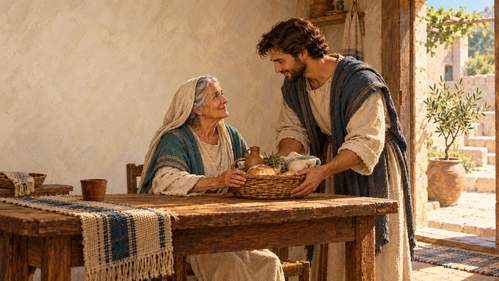
One of the beautiful descriptions of the Church is that we are the family of God. We use that language often, and for good reason. Through Jesus Christ, we have been brought together into a community that reaches beyond our individual households, backgrounds, and circumstances. We belong to one another because we belong to Christ. But what does it actually mean to live as a family?
In 1 Timothy 5, Paul moves from the larger theological concerns of the previous chapters into some practical instructions. He addresses how Timothy should treat older and younger members of the congregation, how the church should care for widows, and how its leaders should be supported and held accountable.
At first glance, these instructions might seem like administrative details better suited for a church leadership meeting than a letter about Christian faith. Yet Paul understands something important: what we believe about God must shape how we treat one another.
He begins with relationships. “Don’t correct an older man, but encourage him like he’s your father; treat younger men like your brothers, older women like your mothers, and younger women like your sisters, with complete purity” (1 Timothy 5:1–2, CEB).
Notice that Paul doesn't tell Timothy to avoid difficult conversations. Correction is sometimes necessary, even within the family of God. But the way we approach one another matters. Authority must be exercised with humility. Disagreement must be handled with respect. Relationships must be marked by dignity and integrity.
The church isn't supposed to operate like a collection of strangers who happen to attend the same weekly gathering. We are called to develop the kind of relationships where people are known, valued, encouraged, and, when necessary, lovingly corrected.
Paul then spends considerable time addressing the care of widows. In the first-century world, losing a husband could leave a woman without financial security or meaningful protection. There were no modern social safety nets to provide for those who couldn't support themselves. In many cases, survival depended upon family or community.
The early church recognized that caring for those in need was part of its calling. We've already encountered this commitment in Acts, where believers shared their resources and made sure that vulnerable members of the community weren't forgotten. Now, years later, Paul is helping Timothy establish practical guidelines so that this same ministry can continue faithfully. He insists that families should care for their own relatives whenever possible, while the church provides for those who genuinely have no one else to help them. These instructions reflect the particular circumstances of Timothy's congregation. We shouldn't assume that every administrative detail transfers directly into our own setting. But the underlying responsibility remains clear.
The family of God takes care of its own, especially those who are most vulnerable. That care requires more than good intentions. Paul recognizes that generosity must be accompanied by wisdom. Resources are limited. Responsibilities must be shared. Those who can provide assistance should do so, allowing the church to direct its support toward those who have nowhere else to turn.
This isn't an excuse to become suspicious of people in need or to place unnecessary obstacles between them and help. It's a reminder that Christian compassion should be thoughtful, responsible, and committed to the well-being of the entire community.
The final section of the chapter turns toward church leadership. Paul instructs Timothy to honor those who lead and teach faithfully. He also establishes expectations for addressing accusations, confronting persistent sin, avoiding favoritism, and exercising patience when appointing new leaders.
The same family relationships that call us to care for one another also require accountability. A healthy church cannot overlook wrongdoing because someone holds a position of authority or has been part of the congregation for many years. Neither should accusations be handled carelessly or unfairly. Paul calls for wisdom, integrity, and impartiality. These instructions protect both the congregation and its leaders. They also remind us that leadership in the Church is a responsibility entrusted by God, not a position that places someone beyond correction.
Throughout this chapter, Paul is bringing the gospel into the ordinary realities of shared life.
The grace of Jesus Christ has made us part of God's family. Now that same grace must shape how we live together.
Our understanding of holiness reminds us that God's transforming work is not confined to our private relationship with Christ. As the Holy Spirit forms us in Christlikeness, love becomes visible in our relationships, our decisions, our responsibilities, and our treatment of others. We can speak passionately about loving our neighbors while overlooking the person sitting beside us in worship. We can celebrate the idea of Christian community while avoiding the responsibilities that come with belonging to one another.
Paul won't allow Timothy's congregation to separate its profession of faith from its daily practices. And neither should we. As we consider our own church family, perhaps the invitation today is to look beyond the warmth of belonging and consider the responsibilities of belonging.
Who among us needs encouragement? Who might be carrying a burden that the rest of us haven't noticed? Are we creating a community where people can receive care without losing their dignity, where leaders are both supported and accountable, and where relationships reflect the love of Christ?
None of us can meet every need. Nor are we expected to carry every responsibility alone. That's part of the beauty of being the Body of Christ. We share this calling together.
God's grace has brought us into a family. By that same grace, we are learning how to live like one. And when we take that responsibility seriously, the Church becomes a living witness to the transforming love of Jesus Christ.
Faith In Action
Reach out to one person in your church family who may need encouragement or practical support. Ask how they're doing, listen carefully, and look for one specific way you can help carry their burden.
Today's Prayer
Gracious God, thank you for welcoming us into your family through Jesus Christ. Forgive us for the times we've enjoyed the comfort of belonging without accepting the responsibility of caring for one another. Open our eyes to those who may be overlooked, and give us wisdom to respond with compassion and humility. Shape our relationships so that they reflect the character of Christ. Help our leaders serve with integrity, and teach us to support and encourage one another faithfully. Through the work of your Holy Spirit, make our church a community where love is more than something we proclaim. May it be something others experience through us. In Jesus' name, Amen.
Posted in Bible Reading Plan 2026
Recent
Categories
Archive
2026
January
My Word for the Year... LIGHT2026 Reading Plan Reflections - Day 12026 Reading Plan Reflections - Day 22026 Reading Plan Reflections - Day 32026 Reading Plan Reflections - Day 42026 Reading Plan Reflections - Day 5Welcome to 2026 - New Resources2026 Reading Plan Reflections - Day 62026 Reading Plan Reflections - Day 72026 Reading Plan Reflections - Day 8New Year Prayer Focus2026 Reading Plan Reflections - Day 92026 Reading Plan Reflections - Day 102026 Reading Plan Reflections - Day 112026 Reading Plan Reflections - Day 122026 Reading Plan Reflections - Day 132026 Reading Plan Reflections - Day 142026 Reading Plan Reflections - Day 152026 Reading Plan Reflections - Day 16Darkness and Light2026 Reading Plan Reflections - Day 172026 Reading Plan Reflections - Day 182026 Reading Plan Reflections - Day 192026 Reading Plan Reflections - Day 202026 Reading Plan Reflections - Day 212026 Reading Plan Reflections - Day 222026 Reading Plan Reflections - Day 232026 Reading Plan Reflections - Day 242026 Reading Plan Reflections - Day 252026 Reading Plan Reflections - Day 262026 Reading Plan Reflections - Day 272026 Reading Plan Reflections - Day 282026 Reading Plan Reflections - Day 292026 Reading Plan Reflections - Day 30Together as the Body of Christ2026 Reading Plan Reflections - Day 31
February
2026 Reading Plan Reflections - Day 322026 Reading Plan Reflections - Day 332026 Reading Plan Reflections - Day 342026 Reading Plan Reflections - Day 352026 Reading Plan Reflections - Day 362026 Reading Plan Reflections - Day 37This Shouldn’t Need to Be Said...2026 Reading Plan Reflections - Day 382026 Reading Plan Reflections - Day 392026 Reading Plan Reflections - Day 402026 Reading Plan Reflections - Day 412026 Reading Plan Reflections - Day 422026 Reading Plan Reflections - Day 432026 Reading Plan Reflections - Day 442026 Reading Plan Reflections - Day 452026 Reading Plan Reflections - Day 462026 Reading Plan Reflections - Day 472026 Reading Plan Reflections - Day 482026 Reading Plan Reflections - Day 492026 Reading Plan Reflections - Day 502026 Reading Plan Reflections - Day 512026 Reading Plan Reflections - Day 522026 Reading Plan Reflections - Day 532026 Reading Plan Reflections - Day 542026 Reading Plan Reflections - Day 552026 Reading Plan Reflections - Day 562026 Reading Plan Reflections - Day 572026 Reading Plan Reflections - Day 582026 Reading Plan Reflections - Day 59
March
2026 Reading Plan Reflections - Day 602026 Reading Plan Reflections - Day 612026 Reading Plan Reflections - Day 622026 Reading Plan Reflections - Day 632026 Reading Plan Reflections - Day 642026 Reading Plan Reflections - Day 652026 Reading Plan Reflections - Day 662026 Reading Plan Reflections - Day 672026 Reading Plan Reflections - Day 682026 Reading Plan Reflections - Day 692026 Reading Plan Reflections - Day 702026 Reading Plan Reflections - Day 712026 Reading Plan Reflections - Day 722026 Reading Plan Reflections - Day 732026 Reading Plan Reflections - Day 742026 Reading Plan Reflections - Day 752026 Reading Plan Reflections - Day 762026 Reading Plan Reflections - Day 772026 Reading Plan Reflections - Day 782026 Reading Plan Reflections - Day 792026 Reading Plan Reflections - Day 802026 Reading Plan Reflections - Day 812026 Reading Plan Reflections - Day 822026 Reading Plan Reflections - Day 832026 Reading Plan Reflections - Day 84
April
2026 Reading Plan Reflections - Days 85 & 862026 Reading Plan Reflections - Day 872026 Reading Plan Reflections - Day 882026 Reading Plan Reflections - Day 892026 Reading Plan Reflections - Day 902026 Reading Plan Reflections - Day 912026 Reading Plan Reflections - Day 922026 Reading Plan Reflections - Day 932026 Reading Plan Reflections - Day 942026 Reading Plan Reflections - Day 95
No Comments