
2026 Reading Plan Reflections - Day 302
Formed By The Word
2 Timothy 3
"Every scripture is inspired by God and is useful for teaching, for showing mistakes, for correcting, and for training character, so that the person who belongs to God can be equipped to do everything that is good." 2 Timothy 3:16–17, CEB
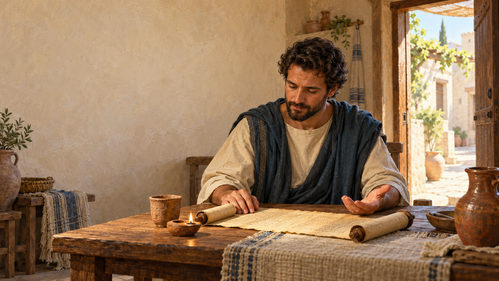
Paul's description of the world in the opening verses of 2 Timothy 3 is difficult to read without recognizing some of the attitudes and behaviors we see around us today. People who love themselves and their money. People who are arrogant, ungrateful, abusive, and unwilling to do what is good. People who pursue pleasure rather than God. Perhaps most challenging, Paul describes people who maintain the appearance of godliness while denying its power.
It's a rough list, especially because Paul isn't warning Timothy about the world outside the church. Some of these attitudes and behaviors have found their way into the community of faith. And before we become too comfortable identifying these characteristics in other people, we ought to consider whether any of them have found a home in us.
Paul's concern goes beyond bad behavior. He's describing what happens when our hearts become oriented toward the wrong things. When love of self replaces love of God, when personal desires take priority over the needs of others, and when religious appearances become more important than transformed lives, something has gone terribly wrong.
We can know the language of faith, attend worship regularly, understand Christian doctrine, and even participate in ministry without allowing God's grace to change the way we live. We can become very familiar with the things of God while remaining resistant to the transforming work of God.
That should concern us, especially as people who believe that God's grace does more than forgive our sins. We believe that the Holy Spirit is actively at work, transforming our hearts and lives into the likeness of Christ. Holiness isn't the appearance of being religious. It's the love of God taking root within us and becoming visible in the way we treat others.
But how do we remain grounded in that transforming grace when we're surrounded by so many competing voices and influences? Paul's answer comes in the second half of the chapter.
After describing the dangers Timothy faces, Paul turns his attention toward what Timothy has already received. He reminds Timothy of the teaching he's followed, the example of faithful discipleship he's witnessed, and the Scriptures he's known since childhood.
Then comes the instruction that holds the chapter together: "But you must continue with the things you have learned and found convincing" (2 Timothy 3:14, CEB). Notice the contrast. Paul has described people who are constantly pursuing their own desires, opposing the truth, and leading others astray. Timothy, however, is called to continue in what he knows to be true.
This isn't a call to stop learning or refuse to grow. Quite the opposite. Paul is reminding Timothy where genuine spiritual growth begins.
Our lives are formed by what we continually give our attention to. The voices we trust, the examples we follow, and the truths we embrace all shape the people we're becoming. That's why Paul places such importance on Scripture.
"Every scripture is inspired by God and is useful for teaching, for showing mistakes, for correcting, and for training character, so that the person who belongs to God can be equipped to do everything that is good" (2 Timothy 3:16–17, CEB).
Look carefully at what Paul says Scripture accomplishes. It teaches us, identifies where we've gone wrong, corrects our direction, and trains our character. The purpose isn't simply to increase our biblical knowledge. It's to prepare us to live faithfully as people who belong to God. That means Scripture must sometimes challenge us.
We may encounter a passage that confronts an attitude we've been defending, exposes a habit we've been excusing, or calls us to extend grace toward someone we'd rather avoid. In those moments, we have a choice. We can explain away what we've read, or we can allow the Holy Spirit to use God's Word to continue shaping us.
This is one of the beautiful truths of our understanding of holiness. God doesn't call us to transformation and then leave us to accomplish it through sheer determination. The same grace that draws us toward Christ continues working within us, teaching us to love what God loves and to live as Christ lived. Scripture is one of the primary means through which that grace shapes our lives.
As we continue through our New Testament reading plan, it's worth remembering why we're doing this. The goal isn't simply to finish another chapter, check another box, or accumulate more biblical information. We're reading because we believe God continues to speak through Scripture, and because we want our lives to be shaped by what we hear.
Paul warns Timothy about a kind of religion that retains its outward appearance while rejecting its transforming power. His answer isn't a more impressive religious performance. It's a life grounded in the truth, formed by God's Word, and equipped for faithful service.
That's the kind of people we're called to become. May we never become so familiar with Scripture that we stop allowing it to change us.
Faith In Action
Return to 2 Timothy 3:16–17 today and read it slowly. Ask the Holy Spirit to show you one area of your life where Scripture is teaching, correcting, or training you. Write down what you recognize and one specific way you can respond in obedience today.
Today's Prayer
Gracious God, thank you for the gift of Scripture and for the ways you continue to speak through your Word. Forgive us when we've been content to know what Scripture says without allowing it to shape how we live. Open our hearts to your truth, even when it challenges our assumptions or confronts the attitudes we've been unwilling to surrender. Through the Holy Spirit, continue your transforming work within us. Teach us to love what you love, to recognize what needs to change, and to respond faithfully to your grace. May our lives reflect more than the appearance of faith. Form within us the character of Christ, and equip us for every good work you've prepared for us to do. Amen.
Posted in Bible Reading Plan 2026
Recent
Categories
Archive
2026
January
My Word for the Year... LIGHT2026 Reading Plan Reflections - Day 12026 Reading Plan Reflections - Day 22026 Reading Plan Reflections - Day 32026 Reading Plan Reflections - Day 42026 Reading Plan Reflections - Day 5Welcome to 2026 - New Resources2026 Reading Plan Reflections - Day 62026 Reading Plan Reflections - Day 72026 Reading Plan Reflections - Day 8New Year Prayer Focus2026 Reading Plan Reflections - Day 92026 Reading Plan Reflections - Day 102026 Reading Plan Reflections - Day 112026 Reading Plan Reflections - Day 122026 Reading Plan Reflections - Day 132026 Reading Plan Reflections - Day 142026 Reading Plan Reflections - Day 152026 Reading Plan Reflections - Day 16Darkness and Light2026 Reading Plan Reflections - Day 172026 Reading Plan Reflections - Day 182026 Reading Plan Reflections - Day 192026 Reading Plan Reflections - Day 202026 Reading Plan Reflections - Day 212026 Reading Plan Reflections - Day 222026 Reading Plan Reflections - Day 232026 Reading Plan Reflections - Day 242026 Reading Plan Reflections - Day 252026 Reading Plan Reflections - Day 262026 Reading Plan Reflections - Day 272026 Reading Plan Reflections - Day 282026 Reading Plan Reflections - Day 292026 Reading Plan Reflections - Day 30Together as the Body of Christ2026 Reading Plan Reflections - Day 31
February
2026 Reading Plan Reflections - Day 322026 Reading Plan Reflections - Day 332026 Reading Plan Reflections - Day 342026 Reading Plan Reflections - Day 352026 Reading Plan Reflections - Day 362026 Reading Plan Reflections - Day 37This Shouldn’t Need to Be Said...2026 Reading Plan Reflections - Day 382026 Reading Plan Reflections - Day 392026 Reading Plan Reflections - Day 402026 Reading Plan Reflections - Day 412026 Reading Plan Reflections - Day 422026 Reading Plan Reflections - Day 432026 Reading Plan Reflections - Day 442026 Reading Plan Reflections - Day 452026 Reading Plan Reflections - Day 462026 Reading Plan Reflections - Day 472026 Reading Plan Reflections - Day 482026 Reading Plan Reflections - Day 492026 Reading Plan Reflections - Day 502026 Reading Plan Reflections - Day 512026 Reading Plan Reflections - Day 522026 Reading Plan Reflections - Day 532026 Reading Plan Reflections - Day 542026 Reading Plan Reflections - Day 552026 Reading Plan Reflections - Day 562026 Reading Plan Reflections - Day 572026 Reading Plan Reflections - Day 582026 Reading Plan Reflections - Day 59
March
2026 Reading Plan Reflections - Day 602026 Reading Plan Reflections - Day 612026 Reading Plan Reflections - Day 622026 Reading Plan Reflections - Day 632026 Reading Plan Reflections - Day 642026 Reading Plan Reflections - Day 652026 Reading Plan Reflections - Day 662026 Reading Plan Reflections - Day 672026 Reading Plan Reflections - Day 682026 Reading Plan Reflections - Day 692026 Reading Plan Reflections - Day 702026 Reading Plan Reflections - Day 712026 Reading Plan Reflections - Day 722026 Reading Plan Reflections - Day 732026 Reading Plan Reflections - Day 742026 Reading Plan Reflections - Day 752026 Reading Plan Reflections - Day 762026 Reading Plan Reflections - Day 772026 Reading Plan Reflections - Day 782026 Reading Plan Reflections - Day 792026 Reading Plan Reflections - Day 802026 Reading Plan Reflections - Day 812026 Reading Plan Reflections - Day 822026 Reading Plan Reflections - Day 832026 Reading Plan Reflections - Day 84
April
2026 Reading Plan Reflections - Days 85 & 862026 Reading Plan Reflections - Day 872026 Reading Plan Reflections - Day 882026 Reading Plan Reflections - Day 892026 Reading Plan Reflections - Day 902026 Reading Plan Reflections - Day 912026 Reading Plan Reflections - Day 922026 Reading Plan Reflections - Day 932026 Reading Plan Reflections - Day 942026 Reading Plan Reflections - Day 95
No Comments