
2026 Reading Plan Reflections - Day 306
Grace That Bears Fruit
Titus 3
“He saved us because of his mercy, not because of righteous things we had done, but because of the washing of new birth and the renewal of the Holy Spirit.” Titus 3:5, CEB
As Paul brings his letter to Titus to a close, he returns to something that has been at the heart of his instructions throughout the letter: the relationship between God's grace and the way we live. Paul has spent considerable time describing what faithful Christian living should look like. He's addressed church leadership, relationships within the congregation, self-control, sound teaching, and the importance of good works. Now, in this final chapter, he draws those instructions together by reminding Titus why any of it is possible in the first place. It begins with God's mercy.
Paul instructs Titus to remind believers to respect governing authorities, be ready to do good, avoid speaking evil of others, and live with gentleness toward everyone. Those are meaningful expectations, particularly for Christians living in a society that didn't necessarily share their beliefs or welcome their growing influence.
But notice the word everyone in verse 2. Paul doesn't limit Christian gentleness to people who agree with us, treat us well, or share our faith. The kindness and consideration he describes are meant to characterize our relationships with everyone, including those who may be difficult to love.
That's a challenging expectation, especially when we consider how easily disagreements become arguments and how quickly we can justify harsh words toward someone we believe is wrong. Before we become too focused on what other people need to change, though, Paul reminds us of something important about ourselves. "We were once foolish, disobedient, deceived" (Titus 3:3, CEB).
Paul continues with a raw description of lives shaped by selfish desires, jealousy, hostility, and hatred. He's reminding believers that they weren't always living the way he's now calling them to live. And then comes the turning point. "But when God our savior's kindness and love appeared, he saved us because of his mercy, not because of righteous things we had done" (Titus 3:4–5, CEB). This is the foundation of everything Paul has been teaching.
God didn't wait for us to become good enough to deserve salvation. God's kindness and love came first. We were met by mercy long before we could offer anything worthy in return. That mercy does more than forgive our past.
Paul speaks of the washing of new birth and renewal by the Holy Spirit, generously poured out through Jesus Christ. This language reminds us that salvation isn't simply a change in our standing before God. It's also the beginning of a transformed life.
We are justified by grace and made heirs of the hope of eternal life. Through the Holy Spirit, we're also being renewed so that the character of Christ becomes increasingly visible in us.
This is central to our Wesleyan understanding of holiness. God's grace doesn't leave us as it found us. The same grace that welcomes us into God's family also empowers us to grow in love, gentleness, patience, and generosity.
And that brings us back to Paul's instructions about good works... Twice in this chapter, Paul urges believers to devote themselves to doing good. Near the end, he becomes especially practical, calling the church to learn how to meet urgent needs so that their lives will be fruitful.
These good works aren't the price of salvation. Paul has already made that clear. They're the fruit of lives being renewed by the Holy Spirit.
We don't serve our neighbors hoping God will love us more. We serve because we've already encountered God's generous love. We don't practice gentleness to earn acceptance. We practice gentleness because the Spirit is forming the character of Christ within us. And we don't help those in need because we're trying to prove that we're righteous. We respond because God's mercy has taught us to see others with compassion.
Paul also warns Titus about foolish arguments, unproductive controversies, and people who create division within the church. In the context of the chapter, that warning takes on greater significance. A congregation can become so consumed with disputes that it loses sight of the good it has been called to do.
Certainly, sound doctrine matters. Paul has emphasized that throughout this letter. But sound doctrine should produce lives shaped by grace, not endless quarrels that distract us from loving God and our neighbors. Even the difficult responsibility of addressing divisive behavior serves the health and faithfulness of the community.
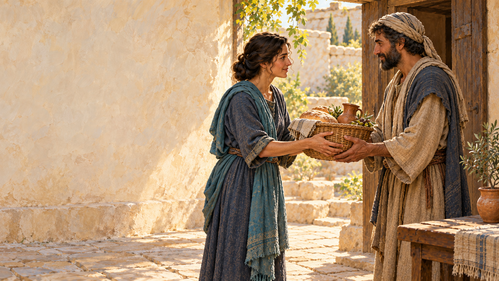
As Paul closes, his instructions become wonderfully ordinary. Help fellow workers on their way. Make sure their needs are met. Learn to provide for urgent needs. Don't be unfruitful. After all the teaching about leadership, holiness, and Christian character, the letter ends with people caring for people.
The kindness of God appeared in Jesus Christ. Through the Holy Spirit, that kindness continues to take shape in the lives of those who follow him. As the church practices generosity, serves those in need, and treats others with gentleness, the world receives another opportunity to see something of God's character.
And perhaps that's where we should leave Titus. Not just asking whether we understand what Paul has taught, but considering what the grace of God is producing in our lives together. Who is experiencing God's kindness because of the way we're living?
Our lives will never be the source of God's grace, but they can become a faithful witness to it. May the mercy we've received continue to bear fruit in the love we share.
Faith In Action
Today, identify one practical need you can help meet for someone else. It might involve providing a meal, offering transportation, helping with a task, or giving toward an immediate need. Respond without expecting recognition or repayment, remembering the generosity of God's grace toward you.
Today's Prayer
Gracious God, thank you for the kindness and mercy you've shown us through Jesus Christ. You didn't wait for us to become worthy of your love, but reached toward us with grace that forgives, renews, and transforms. Continue the work of your Holy Spirit within us. Where we've become harsh, teach us gentleness. Where we've become distracted by arguments, return our attention to love. Where we've overlooked the needs of others, open our eyes and make us willing to serve. Help our church become a community where your generosity is visible in the way we care for one another and our neighbors. May the grace we've received bear lasting fruit in our lives. Amen.
Posted in Bible Reading Plan 2026
Recent
Categories
Archive
2026
January
My Word for the Year... LIGHT2026 Reading Plan Reflections - Day 12026 Reading Plan Reflections - Day 22026 Reading Plan Reflections - Day 32026 Reading Plan Reflections - Day 42026 Reading Plan Reflections - Day 5Welcome to 2026 - New Resources2026 Reading Plan Reflections - Day 62026 Reading Plan Reflections - Day 72026 Reading Plan Reflections - Day 8New Year Prayer Focus2026 Reading Plan Reflections - Day 92026 Reading Plan Reflections - Day 102026 Reading Plan Reflections - Day 112026 Reading Plan Reflections - Day 122026 Reading Plan Reflections - Day 132026 Reading Plan Reflections - Day 142026 Reading Plan Reflections - Day 152026 Reading Plan Reflections - Day 16Darkness and Light2026 Reading Plan Reflections - Day 172026 Reading Plan Reflections - Day 182026 Reading Plan Reflections - Day 192026 Reading Plan Reflections - Day 202026 Reading Plan Reflections - Day 212026 Reading Plan Reflections - Day 222026 Reading Plan Reflections - Day 232026 Reading Plan Reflections - Day 242026 Reading Plan Reflections - Day 252026 Reading Plan Reflections - Day 262026 Reading Plan Reflections - Day 272026 Reading Plan Reflections - Day 282026 Reading Plan Reflections - Day 292026 Reading Plan Reflections - Day 30Together as the Body of Christ2026 Reading Plan Reflections - Day 31
February
2026 Reading Plan Reflections - Day 322026 Reading Plan Reflections - Day 332026 Reading Plan Reflections - Day 342026 Reading Plan Reflections - Day 352026 Reading Plan Reflections - Day 362026 Reading Plan Reflections - Day 37This Shouldn’t Need to Be Said...2026 Reading Plan Reflections - Day 382026 Reading Plan Reflections - Day 392026 Reading Plan Reflections - Day 402026 Reading Plan Reflections - Day 412026 Reading Plan Reflections - Day 422026 Reading Plan Reflections - Day 432026 Reading Plan Reflections - Day 442026 Reading Plan Reflections - Day 452026 Reading Plan Reflections - Day 462026 Reading Plan Reflections - Day 472026 Reading Plan Reflections - Day 482026 Reading Plan Reflections - Day 492026 Reading Plan Reflections - Day 502026 Reading Plan Reflections - Day 512026 Reading Plan Reflections - Day 522026 Reading Plan Reflections - Day 532026 Reading Plan Reflections - Day 542026 Reading Plan Reflections - Day 552026 Reading Plan Reflections - Day 562026 Reading Plan Reflections - Day 572026 Reading Plan Reflections - Day 582026 Reading Plan Reflections - Day 59
March
2026 Reading Plan Reflections - Day 602026 Reading Plan Reflections - Day 612026 Reading Plan Reflections - Day 622026 Reading Plan Reflections - Day 632026 Reading Plan Reflections - Day 642026 Reading Plan Reflections - Day 652026 Reading Plan Reflections - Day 662026 Reading Plan Reflections - Day 672026 Reading Plan Reflections - Day 682026 Reading Plan Reflections - Day 692026 Reading Plan Reflections - Day 702026 Reading Plan Reflections - Day 712026 Reading Plan Reflections - Day 722026 Reading Plan Reflections - Day 732026 Reading Plan Reflections - Day 742026 Reading Plan Reflections - Day 752026 Reading Plan Reflections - Day 762026 Reading Plan Reflections - Day 772026 Reading Plan Reflections - Day 782026 Reading Plan Reflections - Day 792026 Reading Plan Reflections - Day 802026 Reading Plan Reflections - Day 812026 Reading Plan Reflections - Day 822026 Reading Plan Reflections - Day 832026 Reading Plan Reflections - Day 84
April
2026 Reading Plan Reflections - Days 85 & 862026 Reading Plan Reflections - Day 872026 Reading Plan Reflections - Day 882026 Reading Plan Reflections - Day 892026 Reading Plan Reflections - Day 902026 Reading Plan Reflections - Day 912026 Reading Plan Reflections - Day 922026 Reading Plan Reflections - Day 932026 Reading Plan Reflections - Day 942026 Reading Plan Reflections - Day 95
No Comments