
2026 Reading Plan Reflections - Day 262-263
The Strength That Looks Weak
2 Corinthians 11
“If I have to boast, I’ll boast of the things that show my weakness.” 2 Corinthians 11:30 CEB
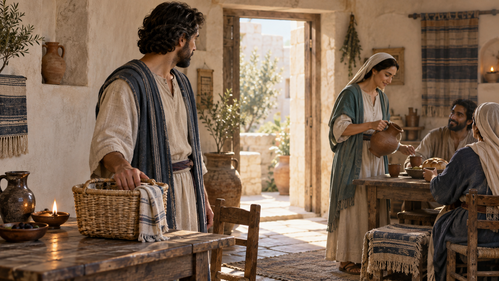
Paul spends much of 2 Corinthians 11 doing something he clearly hates doing: talking about himself. The Corinthian church had become impressed by leaders who knew how to look successful. They were persuasive speakers. They carried themselves with confidence. They apparently knew how to make their accomplishments known. In a culture that valued reputation, status, and public achievement, these teachers looked like exactly the sort of people worth following. Paul didn’t. That had become part of the problem.
So Paul agrees to play their game for a moment. If credentials are what the Corinthians want, he can give them credentials. He can talk about his heritage, his ministry, and everything he has endured. But then Paul turns the whole idea of boasting upside down.
“If I have to boast, I’ll boast of the things that show my weakness” (2 Corinthians 11:30 CEB).
His list is astonishing: imprisonment, beatings, danger, hunger, sleepless nights, rejection, shipwreck, and the constant emotional weight of caring for the churches. Then he finishes with what sounds almost like an anti-hero story. Instead of describing a great victory, Paul remembers escaping Damascus by being lowered through a window in a basket. Not exactly the story someone tells while trying to impress a room. But that is precisely Paul’s point.
The Corinthians have been measuring Christian leadership using the standards of the culture around them. Paul wants them to measure everything by Christ. And once Christ becomes the standard, strength begins to look different.
Jesus didn't conquer through status, self-promotion, or the ability to dominate others. Jesus emptied himself, served, suffered, and went to the cross. The resurrection vindicated that cruciform way of life rather than replacing it with the world’s definition of success.
That is why Paul is so concerned about the teachers influencing Corinth. His warning about “another Jesus,” “a different spirit,” and “a different gospel” is not mainly about people openly abandoning Christianity. The danger is subtler. Christian language can remain while the cross quietly disappears from the way we understand faithfulness.
We can talk about Jesus while chasing recognition. We can speak about the Spirit while becoming obsessed with influence. We can preach the gospel while measuring success by visibility, comfort, admiration, or control. The vocabulary can remain Christian while our definition of strength comes from somewhere else entirely.
We live in a world that constantly teaches us to curate our accomplishments, defend our reputation, demonstrate our usefulness, and compare ourselves with whoever seems to be doing better. Even within the church, it can become easy to assume that the most gifted, impressive, visible, or successful person must also be the most spiritually mature.
Paul gives us a very different picture. Christian maturity may look like continuing to love when love is costly. It may look like serving faithfully without being noticed. It may look like admitting weakness rather than protecting an image. It may look like carrying someone else’s burden when we already feel tired. It may even look like being lowered over a wall in a basket.
Paul isn’t celebrating suffering for its own sake, and he isn’t suggesting that weakness is automatically virtuous. His point is that weakness doesn't disqualify us from the work of God. In fact, when our lives are surrendered to Christ, our limitations can become places where the shape of Jesus becomes especially visible. This is grace at work.
We don’t have to build a life impressive enough for God to use. We don’t have to compete for spiritual status. We don’t have to pretend we are stronger than we are.
Christ has already given himself for us. The Holy Spirit is already at work forming us into his likeness. Our calling is to remain faithful to the Jesus who was crucified and raised, even when his way looks foolish according to the standards around us.
Yesterday, Paul challenged the Corinthians’ habit of comparison. Today he goes deeper. The problem isn't only comparing ourselves with other people. The deeper question is the measuring standard itself.
If success, reputation, control, or admiration become the measure, we will eventually reshape Jesus to fit those values. But if Christ is the measure, then humility can be strength. Service can be greatness. Sacrifice can be faithfulness. And weakness surrendered to grace can become a place where the power of Christ is made known.
That is the life Paul is defending. And that is the life we are learning to live.
So Paul agrees to play their game for a moment. If credentials are what the Corinthians want, he can give them credentials. He can talk about his heritage, his ministry, and everything he has endured. But then Paul turns the whole idea of boasting upside down.
“If I have to boast, I’ll boast of the things that show my weakness” (2 Corinthians 11:30 CEB).
His list is astonishing: imprisonment, beatings, danger, hunger, sleepless nights, rejection, shipwreck, and the constant emotional weight of caring for the churches. Then he finishes with what sounds almost like an anti-hero story. Instead of describing a great victory, Paul remembers escaping Damascus by being lowered through a window in a basket. Not exactly the story someone tells while trying to impress a room. But that is precisely Paul’s point.
The Corinthians have been measuring Christian leadership using the standards of the culture around them. Paul wants them to measure everything by Christ. And once Christ becomes the standard, strength begins to look different.
Jesus didn't conquer through status, self-promotion, or the ability to dominate others. Jesus emptied himself, served, suffered, and went to the cross. The resurrection vindicated that cruciform way of life rather than replacing it with the world’s definition of success.
That is why Paul is so concerned about the teachers influencing Corinth. His warning about “another Jesus,” “a different spirit,” and “a different gospel” is not mainly about people openly abandoning Christianity. The danger is subtler. Christian language can remain while the cross quietly disappears from the way we understand faithfulness.
We can talk about Jesus while chasing recognition. We can speak about the Spirit while becoming obsessed with influence. We can preach the gospel while measuring success by visibility, comfort, admiration, or control. The vocabulary can remain Christian while our definition of strength comes from somewhere else entirely.
We live in a world that constantly teaches us to curate our accomplishments, defend our reputation, demonstrate our usefulness, and compare ourselves with whoever seems to be doing better. Even within the church, it can become easy to assume that the most gifted, impressive, visible, or successful person must also be the most spiritually mature.
Paul gives us a very different picture. Christian maturity may look like continuing to love when love is costly. It may look like serving faithfully without being noticed. It may look like admitting weakness rather than protecting an image. It may look like carrying someone else’s burden when we already feel tired. It may even look like being lowered over a wall in a basket.
Paul isn’t celebrating suffering for its own sake, and he isn’t suggesting that weakness is automatically virtuous. His point is that weakness doesn't disqualify us from the work of God. In fact, when our lives are surrendered to Christ, our limitations can become places where the shape of Jesus becomes especially visible. This is grace at work.
We don’t have to build a life impressive enough for God to use. We don’t have to compete for spiritual status. We don’t have to pretend we are stronger than we are.
Christ has already given himself for us. The Holy Spirit is already at work forming us into his likeness. Our calling is to remain faithful to the Jesus who was crucified and raised, even when his way looks foolish according to the standards around us.
Yesterday, Paul challenged the Corinthians’ habit of comparison. Today he goes deeper. The problem isn't only comparing ourselves with other people. The deeper question is the measuring standard itself.
If success, reputation, control, or admiration become the measure, we will eventually reshape Jesus to fit those values. But if Christ is the measure, then humility can be strength. Service can be greatness. Sacrifice can be faithfulness. And weakness surrendered to grace can become a place where the power of Christ is made known.
That is the life Paul is defending. And that is the life we are learning to live.
Faith In Action
Notice one place where you’ve been comparing yourself with someone else. Name the standard you’ve been using, then pray over it and ask Christ to reshape the way you measure faithfulness.
Today's Prayer
Lord of my life, there are so many ways I measure myself that have little to do with you. I compare my life with others, defend my accomplishments, worry about how I’m perceived, and sometimes mistake visible success for faithfulness. By your grace, take these thoughts captive. Teach me to see myself, other people, and the work you’ve given me through your eyes. Let whatever authority, ability, or influence I have be used to build others up. Free me from the need to commend myself, and form in me a life that seeks your approval above every other measure. Whatever good comes from my life, may the glory belong to you. Amen.
Posted in Bible Reading Plan 2026
Recent
2026 Reading Plan Reflections - Day 262-263
September 19th, 2026
2026 Reading Plan Reflections - Day 261
September 18th, 2026
2026 Reading Plan Reflections - Day 260
September 17th, 2026
2026 Reading Plan Reflections - Day 259
September 16th, 2026
2026 Reading Plan Reflections - Day 258
September 15th, 2026
Categories
Archive
2026
January
My Word for the Year... LIGHT2026 Reading Plan Reflections - Day 12026 Reading Plan Reflections - Day 22026 Reading Plan Reflections - Day 32026 Reading Plan Reflections - Day 42026 Reading Plan Reflections - Day 5Welcome to 2026 - New Resources2026 Reading Plan Reflections - Day 62026 Reading Plan Reflections - Day 72026 Reading Plan Reflections - Day 8New Year Prayer Focus2026 Reading Plan Reflections - Day 92026 Reading Plan Reflections - Day 102026 Reading Plan Reflections - Day 112026 Reading Plan Reflections - Day 122026 Reading Plan Reflections - Day 132026 Reading Plan Reflections - Day 142026 Reading Plan Reflections - Day 152026 Reading Plan Reflections - Day 16Darkness and Light2026 Reading Plan Reflections - Day 172026 Reading Plan Reflections - Day 182026 Reading Plan Reflections - Day 192026 Reading Plan Reflections - Day 202026 Reading Plan Reflections - Day 212026 Reading Plan Reflections - Day 222026 Reading Plan Reflections - Day 232026 Reading Plan Reflections - Day 242026 Reading Plan Reflections - Day 252026 Reading Plan Reflections - Day 262026 Reading Plan Reflections - Day 272026 Reading Plan Reflections - Day 282026 Reading Plan Reflections - Day 292026 Reading Plan Reflections - Day 30Together as the Body of Christ2026 Reading Plan Reflections - Day 31
February
2026 Reading Plan Reflections - Day 322026 Reading Plan Reflections - Day 332026 Reading Plan Reflections - Day 342026 Reading Plan Reflections - Day 352026 Reading Plan Reflections - Day 362026 Reading Plan Reflections - Day 37This Shouldn’t Need to Be Said...2026 Reading Plan Reflections - Day 382026 Reading Plan Reflections - Day 392026 Reading Plan Reflections - Day 402026 Reading Plan Reflections - Day 412026 Reading Plan Reflections - Day 422026 Reading Plan Reflections - Day 432026 Reading Plan Reflections - Day 442026 Reading Plan Reflections - Day 452026 Reading Plan Reflections - Day 462026 Reading Plan Reflections - Day 472026 Reading Plan Reflections - Day 482026 Reading Plan Reflections - Day 492026 Reading Plan Reflections - Day 502026 Reading Plan Reflections - Day 512026 Reading Plan Reflections - Day 522026 Reading Plan Reflections - Day 532026 Reading Plan Reflections - Day 542026 Reading Plan Reflections - Day 552026 Reading Plan Reflections - Day 562026 Reading Plan Reflections - Day 572026 Reading Plan Reflections - Day 582026 Reading Plan Reflections - Day 59
March
2026 Reading Plan Reflections - Day 602026 Reading Plan Reflections - Day 612026 Reading Plan Reflections - Day 622026 Reading Plan Reflections - Day 632026 Reading Plan Reflections - Day 642026 Reading Plan Reflections - Day 652026 Reading Plan Reflections - Day 662026 Reading Plan Reflections - Day 672026 Reading Plan Reflections - Day 682026 Reading Plan Reflections - Day 692026 Reading Plan Reflections - Day 702026 Reading Plan Reflections - Day 712026 Reading Plan Reflections - Day 722026 Reading Plan Reflections - Day 732026 Reading Plan Reflections - Day 742026 Reading Plan Reflections - Day 752026 Reading Plan Reflections - Day 762026 Reading Plan Reflections - Day 772026 Reading Plan Reflections - Day 782026 Reading Plan Reflections - Day 792026 Reading Plan Reflections - Day 802026 Reading Plan Reflections - Day 812026 Reading Plan Reflections - Day 822026 Reading Plan Reflections - Day 832026 Reading Plan Reflections - Day 84
April
2026 Reading Plan Reflections - Days 85 & 862026 Reading Plan Reflections - Day 872026 Reading Plan Reflections - Day 882026 Reading Plan Reflections - Day 892026 Reading Plan Reflections - Day 902026 Reading Plan Reflections - Day 912026 Reading Plan Reflections - Day 922026 Reading Plan Reflections - Day 932026 Reading Plan Reflections - Day 942026 Reading Plan Reflections - Day 95
No Comments