
2026 Reading Plan Reflections - Day 286 Copy
A Gospel Worth Living
1 Thessalonians 2
“We were glad to share not only God’s good news with you but also our very lives because we cared for you so much.” 1 Thessalonians 2:8 CEB
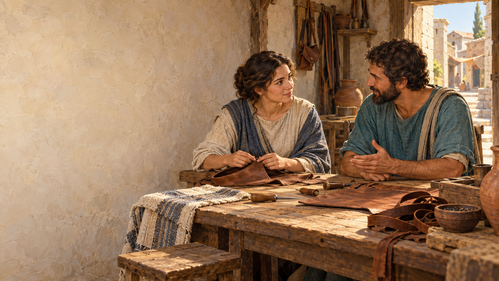
Paul’s words in 1 Thessalonians 2 give us a picture of what it looks like when the gospel becomes more than a message we proclaim. When we allow the gospel story to transform us, it becomes the pattern of our lives.
Throughout this chapter, Paul reminds the Thessalonians of how he and his companions lived among them. He speaks of their courage in the face of opposition, their honesty and integrity, their willingness to work hard, and the genuine love they developed for this young community of believers.
Paul isn't trying to impress them with his accomplishments. He's reminding them that the message they received was made credible by the lives of those who brought it. And there's something here for all of us who claim to follow Jesus.
When Paul arrived in Thessalonica, he had already suffered for preaching the gospel. In Philippi, he and Silas had been beaten and imprisoned. Yet those experiences didn't silence them. They continued to proclaim Jesus, even knowing that more opposition might follow.
What gave them that kind of courage? Paul tells us that God had entrusted them with the gospel, and their responsibility was to please God rather than people (v. 4).
When our primary concern is gaining approval, we're tempted to say what people want to hear, avoid difficult conversations, or shape our witness around what benefits us. But when our lives are grounded in God's grace, we're free to serve without constantly protecting our reputation or seeking something in return. That freedom shaped the way Paul treated the Thessalonians.
Rather than using his position to demand recognition or support, Paul describes his ministry with the tenderness of a nursing mother caring for her children. He writes: "We were glad to share not only God's good news with you but also our very lives because we cared for you so much." (v. 8, CEB) Consider what that means.
Paul didn't arrive, deliver a message, and move on without concern for the people who heard it. He entered their lives. He worked alongside them. He cared about their struggles, encouraged their growth, and invested himself in their future. The gospel was proclaimed through his words, but it was also demonstrated through his relationships.
A few verses later, Paul uses the image of a father who encourages, comforts, and urges his children toward maturity. Together, these descriptions reveal something essential about Christian discipleship: love and holiness belong together.
Paul's tenderness wasn't an excuse to leave people unchanged. His encouragement wasn't harsh correction disguised as spiritual authority. He loved these believers enough to walk alongside them as they learned to live differently.
And that brings us to the heart of the chapter: "We encouraged you, comforted you, and begged you to live in a way that honors God, who is calling you into his own kingdom and glory" (v. 12, CEB). God's calling comes first.
Before Paul urges the Thessalonians to live differently, he reminds them that God is calling them into the kingdom. Their new way of life is a response to God's gracious initiative.
This is the heart of holiness as we understand it in the Wesleyan tradition. God doesn't call us to earn acceptance through impressive religious behavior. Through the Holy Spirit, God works within us, transforming our desires, relationships, and actions so that our lives increasingly reflect the character of Christ. And that transformation has a purpose beyond ourselves.
Paul thanks God because the Thessalonians received the gospel as God's word, which was actively working within them (v. 13). They had experienced opposition from their own communities, just as Paul had. Yet their faith continued to take root.
Their perseverance was evidence that the message had become something more than information they agreed with. God's word was shaping the way they lived.
As the chapter closes, we see just how deeply Paul loved them. Separated by circumstances beyond his control, he longed to return. His concern wasn't for the success of a ministry program or the recognition he might receive. It was for the people themselves. He calls them his hope, joy, and crown when Jesus returns. What a beautiful picture of the church! Paul measured the fruit of his ministry in lives being transformed by the grace of God. And perhaps that's where this chapter challenges us most.
We can become so focused on communicating the right message that we overlook the importance of the lives through which that message is communicated. We can speak about grace while withholding it from others. We can teach holiness while failing to demonstrate the patience, humility, and love that holiness produces.
Paul reminds us that our Christian witness includes both what we say and how we live. This doesn't mean we must be perfect before we can share our faith. Paul himself knew what it meant to depend upon God's grace. But it does mean that our relationships, our work, our integrity, and our willingness to care for others are all places where the transforming work of God should become visible.
Whether we're serving in a church, raising a family, working alongside colleagues, or caring for a neighbor, we're given opportunities to share more than words. We're invited to share our lives. And as God's grace continues to shape us into the likeness of Christ, those lives can become a faithful witness to the gospel we've been entrusted to proclaim.
Throughout this chapter, Paul reminds the Thessalonians of how he and his companions lived among them. He speaks of their courage in the face of opposition, their honesty and integrity, their willingness to work hard, and the genuine love they developed for this young community of believers.
Paul isn't trying to impress them with his accomplishments. He's reminding them that the message they received was made credible by the lives of those who brought it. And there's something here for all of us who claim to follow Jesus.
When Paul arrived in Thessalonica, he had already suffered for preaching the gospel. In Philippi, he and Silas had been beaten and imprisoned. Yet those experiences didn't silence them. They continued to proclaim Jesus, even knowing that more opposition might follow.
What gave them that kind of courage? Paul tells us that God had entrusted them with the gospel, and their responsibility was to please God rather than people (v. 4).
When our primary concern is gaining approval, we're tempted to say what people want to hear, avoid difficult conversations, or shape our witness around what benefits us. But when our lives are grounded in God's grace, we're free to serve without constantly protecting our reputation or seeking something in return. That freedom shaped the way Paul treated the Thessalonians.
Rather than using his position to demand recognition or support, Paul describes his ministry with the tenderness of a nursing mother caring for her children. He writes: "We were glad to share not only God's good news with you but also our very lives because we cared for you so much." (v. 8, CEB) Consider what that means.
Paul didn't arrive, deliver a message, and move on without concern for the people who heard it. He entered their lives. He worked alongside them. He cared about their struggles, encouraged their growth, and invested himself in their future. The gospel was proclaimed through his words, but it was also demonstrated through his relationships.
A few verses later, Paul uses the image of a father who encourages, comforts, and urges his children toward maturity. Together, these descriptions reveal something essential about Christian discipleship: love and holiness belong together.
Paul's tenderness wasn't an excuse to leave people unchanged. His encouragement wasn't harsh correction disguised as spiritual authority. He loved these believers enough to walk alongside them as they learned to live differently.
And that brings us to the heart of the chapter: "We encouraged you, comforted you, and begged you to live in a way that honors God, who is calling you into his own kingdom and glory" (v. 12, CEB). God's calling comes first.
Before Paul urges the Thessalonians to live differently, he reminds them that God is calling them into the kingdom. Their new way of life is a response to God's gracious initiative.
This is the heart of holiness as we understand it in the Wesleyan tradition. God doesn't call us to earn acceptance through impressive religious behavior. Through the Holy Spirit, God works within us, transforming our desires, relationships, and actions so that our lives increasingly reflect the character of Christ. And that transformation has a purpose beyond ourselves.
Paul thanks God because the Thessalonians received the gospel as God's word, which was actively working within them (v. 13). They had experienced opposition from their own communities, just as Paul had. Yet their faith continued to take root.
Their perseverance was evidence that the message had become something more than information they agreed with. God's word was shaping the way they lived.
As the chapter closes, we see just how deeply Paul loved them. Separated by circumstances beyond his control, he longed to return. His concern wasn't for the success of a ministry program or the recognition he might receive. It was for the people themselves. He calls them his hope, joy, and crown when Jesus returns. What a beautiful picture of the church! Paul measured the fruit of his ministry in lives being transformed by the grace of God. And perhaps that's where this chapter challenges us most.
We can become so focused on communicating the right message that we overlook the importance of the lives through which that message is communicated. We can speak about grace while withholding it from others. We can teach holiness while failing to demonstrate the patience, humility, and love that holiness produces.
Paul reminds us that our Christian witness includes both what we say and how we live. This doesn't mean we must be perfect before we can share our faith. Paul himself knew what it meant to depend upon God's grace. But it does mean that our relationships, our work, our integrity, and our willingness to care for others are all places where the transforming work of God should become visible.
Whether we're serving in a church, raising a family, working alongside colleagues, or caring for a neighbor, we're given opportunities to share more than words. We're invited to share our lives. And as God's grace continues to shape us into the likeness of Christ, those lives can become a faithful witness to the gospel we've been entrusted to proclaim.
Faith In Action
Think of one person you've encouraged in faith, or someone God may be inviting you to encourage now. Reach out today with a sincere word of care. Ask how they're doing, listen to their response, and consider how you might support them beyond that single conversation.
Today's Prayer
Gracious God, thank you for entrusting us with the good news of Jesus Christ. Forgive us for the times our words have spoken of your love while our actions have failed to reflect it. Continue your transforming work within us through the Holy Spirit. Give us courage to speak faithfully, humility to serve without seeking recognition, and genuine love for the people you place in our lives. Teach us to encourage one another toward holiness with patience and grace. May our relationships, our work, and our everyday decisions reflect the character of Christ. Help us share not only the message of your grace, but lives that bear witness to its power. In Jesus' name, Amen.
Posted in Bible Reading Plan 2026
Recent
Categories
Archive
2026
January
My Word for the Year... LIGHT2026 Reading Plan Reflections - Day 12026 Reading Plan Reflections - Day 22026 Reading Plan Reflections - Day 32026 Reading Plan Reflections - Day 42026 Reading Plan Reflections - Day 5Welcome to 2026 - New Resources2026 Reading Plan Reflections - Day 62026 Reading Plan Reflections - Day 72026 Reading Plan Reflections - Day 8New Year Prayer Focus2026 Reading Plan Reflections - Day 92026 Reading Plan Reflections - Day 102026 Reading Plan Reflections - Day 112026 Reading Plan Reflections - Day 122026 Reading Plan Reflections - Day 132026 Reading Plan Reflections - Day 142026 Reading Plan Reflections - Day 152026 Reading Plan Reflections - Day 16Darkness and Light2026 Reading Plan Reflections - Day 172026 Reading Plan Reflections - Day 182026 Reading Plan Reflections - Day 192026 Reading Plan Reflections - Day 202026 Reading Plan Reflections - Day 212026 Reading Plan Reflections - Day 222026 Reading Plan Reflections - Day 232026 Reading Plan Reflections - Day 242026 Reading Plan Reflections - Day 252026 Reading Plan Reflections - Day 262026 Reading Plan Reflections - Day 272026 Reading Plan Reflections - Day 282026 Reading Plan Reflections - Day 292026 Reading Plan Reflections - Day 30Together as the Body of Christ2026 Reading Plan Reflections - Day 31
February
2026 Reading Plan Reflections - Day 322026 Reading Plan Reflections - Day 332026 Reading Plan Reflections - Day 342026 Reading Plan Reflections - Day 352026 Reading Plan Reflections - Day 362026 Reading Plan Reflections - Day 37This Shouldn’t Need to Be Said...2026 Reading Plan Reflections - Day 382026 Reading Plan Reflections - Day 392026 Reading Plan Reflections - Day 402026 Reading Plan Reflections - Day 412026 Reading Plan Reflections - Day 422026 Reading Plan Reflections - Day 432026 Reading Plan Reflections - Day 442026 Reading Plan Reflections - Day 452026 Reading Plan Reflections - Day 462026 Reading Plan Reflections - Day 472026 Reading Plan Reflections - Day 482026 Reading Plan Reflections - Day 492026 Reading Plan Reflections - Day 502026 Reading Plan Reflections - Day 512026 Reading Plan Reflections - Day 522026 Reading Plan Reflections - Day 532026 Reading Plan Reflections - Day 542026 Reading Plan Reflections - Day 552026 Reading Plan Reflections - Day 562026 Reading Plan Reflections - Day 572026 Reading Plan Reflections - Day 582026 Reading Plan Reflections - Day 59
March
2026 Reading Plan Reflections - Day 602026 Reading Plan Reflections - Day 612026 Reading Plan Reflections - Day 622026 Reading Plan Reflections - Day 632026 Reading Plan Reflections - Day 642026 Reading Plan Reflections - Day 652026 Reading Plan Reflections - Day 662026 Reading Plan Reflections - Day 672026 Reading Plan Reflections - Day 682026 Reading Plan Reflections - Day 692026 Reading Plan Reflections - Day 702026 Reading Plan Reflections - Day 712026 Reading Plan Reflections - Day 722026 Reading Plan Reflections - Day 732026 Reading Plan Reflections - Day 742026 Reading Plan Reflections - Day 752026 Reading Plan Reflections - Day 762026 Reading Plan Reflections - Day 772026 Reading Plan Reflections - Day 782026 Reading Plan Reflections - Day 792026 Reading Plan Reflections - Day 802026 Reading Plan Reflections - Day 812026 Reading Plan Reflections - Day 822026 Reading Plan Reflections - Day 832026 Reading Plan Reflections - Day 84
April
2026 Reading Plan Reflections - Days 85 & 862026 Reading Plan Reflections - Day 872026 Reading Plan Reflections - Day 882026 Reading Plan Reflections - Day 892026 Reading Plan Reflections - Day 902026 Reading Plan Reflections - Day 912026 Reading Plan Reflections - Day 922026 Reading Plan Reflections - Day 932026 Reading Plan Reflections - Day 942026 Reading Plan Reflections - Day 95
No Comments