
2026 Reading Plan Reflections - Day 297
Growing in Godliness
1 Timothy 4
“Train yourself for a holy life!” 1 Timothy 4:7, CEB
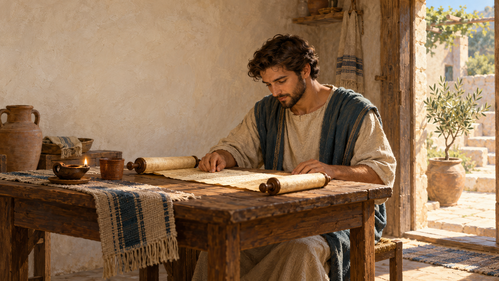
There’s something important about the way Paul describes the Christian life in this chapter. He compares it to training. Not because following Jesus is a competition or because we can earn our way into God’s favor, but because becoming like Christ requires intentional participation in what God is doing in us. We don't become spiritually mature by accident.
Throughout this letter, Paul has been helping Timothy understand what it means to lead the church faithfully. There are false teachings to confront, relationships to nurture, and responsibilities to carry. But in chapter four, Paul brings the conversation back to something foundational: the kind of people we are becoming as we follow Jesus.
He begins with a warning about teachings that distort God's good creation. Some were insisting that genuine holiness required rejecting marriage or abstaining from certain foods. They were treating things God had created as though they were spiritually dangerous in themselves.
Paul reminds Timothy that God's creation is good and should be received with thanksgiving. There's an important distinction here. Holiness doesn't mean rejecting the good things God has given us. Neither does it mean indulging every desire simply because something is part of creation. It means learning to receive God's gifts with gratitude and live within God's good purposes for them. And that kind of discernment requires maturity.
This brings us to Paul's instruction about training in godliness. He acknowledges that physical exercise has value, but spiritual training carries a greater promise because it shapes our lives both now and for eternity.
Think about what happens when someone begins training for something physically demanding. Strength develops through repetition. Endurance grows through continued effort. Progress sometimes comes slowly, and there are days when the work feels harder than others. Spiritual formation has a similar rhythm.
We learn to pray by praying. We grow in our understanding of Scripture by returning to it faithfully. We become more patient as we learn to respond to difficult people with grace. We develop generosity as we practice giving, and forgiveness as we surrender our desire to hold on to resentment.
These are not exercises designed to convince God that we're worthy of love. God's grace has already come to us through Jesus Christ. Rather, they are ways we make ourselves available to the transforming work of the Holy Spirit.
In the Wesleyan tradition, we often speak of the means of grace: prayer, Scripture, worship, Communion, fasting, and Christian fellowship. These practices don't manufacture holiness. They provide opportunities for us to encounter and respond to the grace that makes holiness possible.
Paul's description of training helps us understand that spiritual growth involves both God's transforming power and our willing participation. But Paul doesn't leave this teaching as an abstract principle. He brings it directly into Timothy's life and leadership. “Set an example for the believers through your speech, behavior, love, faith, and sexual purity” (1 Timothy 4:12, CEB).
Timothy's credibility wouldn't ultimately rest on his age, position, or ability to persuade others. His life needed to demonstrate the truth he was teaching. And while these instructions are addressed to a young pastor, they offer an important challenge to every follower of Jesus.
What does our everyday life communicate about the faith we profess? Are we becoming more patient with people who frustrate us? Are our words becoming more gracious? Do we respond to disagreement with humility? Is our love for God becoming increasingly visible in the way we treat our neighbors? These questions aren't intended to make us anxious about our spiritual performance. They're invitations to pay attention to the direction of our lives.
Paul tells Timothy to devote himself to Scripture, teaching, and the gifts God has given him. Then he adds an instruction that deserves our attention: “Focus on working on your own development and on what you teach. Stick to these things” (1 Timothy 4:16, CEB). It's possible to become so occupied with doing things for God that we neglect our own growth in God.
We can serve in the church, participate in ministry, and speak confidently about Scripture while failing to notice the attitudes and habits that still need to be surrendered to Christ. We can become skilled at the activities of Christianity without allowing the grace of Christ to shape our character.
Paul calls Timothy to pay attention to both his teaching and his life because the two belong together. Faithful teaching should be reflected in faithful living, and faithful living gives credibility to the message we share.
Notice, too, that Paul expects Timothy's progress to be visible. He doesn't demand instant perfection or pretend that spiritual maturity arrives all at once. He encourages Timothy to keep growing.
God isn't finished forming us. There are still things to learn, habits to surrender, relationships to strengthen, and opportunities to grow in love. The Holy Spirit continues working in those who remain open and responsive to grace.
As we've been moving through the New Testament together, we've seen again and again that following Jesus is about a transformed life. Now Paul reminds us that this transformation deserves our continuing attention.
Perhaps one of the most important questions we can ask ourselves today is this: Am I intentionally making room for God's grace to shape the person I'm becoming?
We won't answer that question perfectly every day. There will be seasons of significant growth and others when progress is difficult to recognize. But the invitation remains the same.
Keep learning. Keep practicing. Keep responding to grace.
The Christian life is a life of growing in godliness, becoming more like Christ as we participate in the good work God has already begun.
Faith In Action
Choose one spiritual practice—prayer, Scripture reading, or intentional silence—and set aside ten minutes today to engage in it without distraction. Before you begin, ask God to reveal one area of your life where you need to grow in Christlikeness. Pay attention to what the Spirit may be teaching you.
Today's Prayer
Gracious God, thank you for the gift of your grace and for the ways you continue to work in our lives. Forgive us when we become so busy with the activities of faith that we neglect our relationship with you. Teach us to receive your good gifts with gratitude and to practice the habits that help us grow in holiness. Give us patience when growth seems slow, humility when we recognize our weaknesses, and perseverance to continue following Jesus. May our words, actions, love, and faith reflect the transformation you are bringing about within us. Shape us into people whose lives bear witness to your goodness, and help us remain faithful to the work you have begun. In Jesus' name, Amen.
Posted in Bible Reading Plan 2026
Recent
Categories
Archive
2026
January
My Word for the Year... LIGHT2026 Reading Plan Reflections - Day 12026 Reading Plan Reflections - Day 22026 Reading Plan Reflections - Day 32026 Reading Plan Reflections - Day 42026 Reading Plan Reflections - Day 5Welcome to 2026 - New Resources2026 Reading Plan Reflections - Day 62026 Reading Plan Reflections - Day 72026 Reading Plan Reflections - Day 8New Year Prayer Focus2026 Reading Plan Reflections - Day 92026 Reading Plan Reflections - Day 102026 Reading Plan Reflections - Day 112026 Reading Plan Reflections - Day 122026 Reading Plan Reflections - Day 132026 Reading Plan Reflections - Day 142026 Reading Plan Reflections - Day 152026 Reading Plan Reflections - Day 16Darkness and Light2026 Reading Plan Reflections - Day 172026 Reading Plan Reflections - Day 182026 Reading Plan Reflections - Day 192026 Reading Plan Reflections - Day 202026 Reading Plan Reflections - Day 212026 Reading Plan Reflections - Day 222026 Reading Plan Reflections - Day 232026 Reading Plan Reflections - Day 242026 Reading Plan Reflections - Day 252026 Reading Plan Reflections - Day 262026 Reading Plan Reflections - Day 272026 Reading Plan Reflections - Day 282026 Reading Plan Reflections - Day 292026 Reading Plan Reflections - Day 30Together as the Body of Christ2026 Reading Plan Reflections - Day 31
February
2026 Reading Plan Reflections - Day 322026 Reading Plan Reflections - Day 332026 Reading Plan Reflections - Day 342026 Reading Plan Reflections - Day 352026 Reading Plan Reflections - Day 362026 Reading Plan Reflections - Day 37This Shouldn’t Need to Be Said...2026 Reading Plan Reflections - Day 382026 Reading Plan Reflections - Day 392026 Reading Plan Reflections - Day 402026 Reading Plan Reflections - Day 412026 Reading Plan Reflections - Day 422026 Reading Plan Reflections - Day 432026 Reading Plan Reflections - Day 442026 Reading Plan Reflections - Day 452026 Reading Plan Reflections - Day 462026 Reading Plan Reflections - Day 472026 Reading Plan Reflections - Day 482026 Reading Plan Reflections - Day 492026 Reading Plan Reflections - Day 502026 Reading Plan Reflections - Day 512026 Reading Plan Reflections - Day 522026 Reading Plan Reflections - Day 532026 Reading Plan Reflections - Day 542026 Reading Plan Reflections - Day 552026 Reading Plan Reflections - Day 562026 Reading Plan Reflections - Day 572026 Reading Plan Reflections - Day 582026 Reading Plan Reflections - Day 59
March
2026 Reading Plan Reflections - Day 602026 Reading Plan Reflections - Day 612026 Reading Plan Reflections - Day 622026 Reading Plan Reflections - Day 632026 Reading Plan Reflections - Day 642026 Reading Plan Reflections - Day 652026 Reading Plan Reflections - Day 662026 Reading Plan Reflections - Day 672026 Reading Plan Reflections - Day 682026 Reading Plan Reflections - Day 692026 Reading Plan Reflections - Day 702026 Reading Plan Reflections - Day 712026 Reading Plan Reflections - Day 722026 Reading Plan Reflections - Day 732026 Reading Plan Reflections - Day 742026 Reading Plan Reflections - Day 752026 Reading Plan Reflections - Day 762026 Reading Plan Reflections - Day 772026 Reading Plan Reflections - Day 782026 Reading Plan Reflections - Day 792026 Reading Plan Reflections - Day 802026 Reading Plan Reflections - Day 812026 Reading Plan Reflections - Day 822026 Reading Plan Reflections - Day 832026 Reading Plan Reflections - Day 84
April
2026 Reading Plan Reflections - Days 85 & 862026 Reading Plan Reflections - Day 872026 Reading Plan Reflections - Day 882026 Reading Plan Reflections - Day 892026 Reading Plan Reflections - Day 902026 Reading Plan Reflections - Day 912026 Reading Plan Reflections - Day 922026 Reading Plan Reflections - Day 932026 Reading Plan Reflections - Day 942026 Reading Plan Reflections - Day 95
No Comments