
2026 Reading Plan Reflections - Day 279
The Mind of Christ
Philippians 2
“Though he was in the form of God, he did not consider being equal with God something to exploit. But he emptied himself by taking the form of a slave… He humbled himself by becoming obedient to the point of death, even death on a cross.” Philippians 2:6-8 CEB
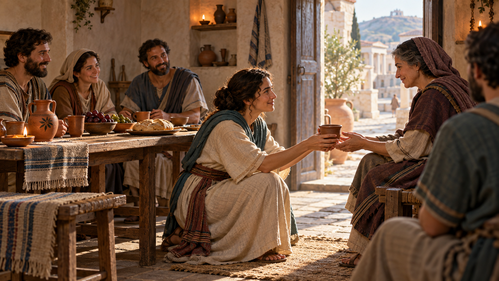
Philippians 2 contains one of the clearest descriptions of Jesus in the New Testament - The verses above. These verses deserve our attention. They proclaim the mystery of the incarnation and take us directly to the cross. Jesus doesn't cling to status, privilege, or power. He gives himself away.
But Paul isn’t giving the Philippians a theological statement so they can believe the right things about Jesus. He begins this section by telling them, “Adopt the attitude that was in Christ Jesus.” Everything that follows shows us what that looks like.
The church in Philippi is called to become a people whose common life reflects the character of the Christ they worship. Paul begins with their relationships. He tells them to resist selfish ambition and conceit, to consider the interests of others, and to pursue unity together. That unity doesn’t mean everyone develops the same personality or agrees on every question. Christian unity has a center. The church becomes one as we turn our attention away from protecting ourselves and toward Jesus. Then Paul shows them Jesus.
Christ had every right to glory, yet did not use his status for his own advantage. The eternal Son entered fully into human life, took the position of a servant, and walked the path of obedience all the way to the cross.
Jesus didn't become less divine when he became human. In Jesus, we actually discover what God's character is like. God's power is revealed in self-giving love. God's greatness is revealed in humility. God's victory comes through the cross. And because Jesus humbled himself, God exalted him. One day every knee will bow and every tongue will confess that Jesus Christ is Lord.
But Paul doesn't leave the Philippians staring upward at this magnificent vision of Christ. He brings them right back into their everyday lives. “Carry out your own salvation with fear and trembling,” he tells them, “because God is the one who enables you both to want and to actually live out his good purposes.”
Paul isn't telling them to earn their salvation. He's calling them to live into what God's grace is already producing among them. Grace doesn't make our participation unnecessary. Grace makes our faithful participation possible.
God works in us, and we respond. The result should become visible: fewer arguments driven by ego, less grumbling, deeper concern for one another, and a community that “shines like stars in the world.” Holiness becomes visible in the way Christians live together. Then Paul gives them two living examples.
Timothy genuinely cares about the Philippians instead of looking after his own interests. Epaphroditus has risked his health and even his life serving Christ and the church. Neither man is presented as impressive because of fame, power, or extraordinary accomplishment. They are impressive because they look like Jesus.
Christ gives himself. God works in his people. His people learn to give themselves. And the world begins to see what Jesus is like through them.
We sometimes make Christlikeness more mysterious than it needs to be. We imagine that spiritual maturity will primarily reveal itself through greater knowledge, dramatic experiences, or visible accomplishments. Paul points us somewhere much more ordinary.
Who gets our attention? Whose interests matter to us? Can we serve without needing recognition? Can we disagree without turning another person into an enemy? Can we use whatever influence, authority, ability, or position we possess for the good of someone else? This kind of life cannot be produced by determination alone.
Left to ourselves, we naturally protect our own interests. But God is at work within us. The Spirit forms the mind of Christ in the people of Christ. That is part of what sanctification looks like: grace reshaping our desires until the self-giving love we see in Jesus increasingly becomes the way we live. And when that happens, the church becomes a light in the world—not because we have learned how to look impressive, but because people begin to recognize the character of Jesus among us.
But Paul isn’t giving the Philippians a theological statement so they can believe the right things about Jesus. He begins this section by telling them, “Adopt the attitude that was in Christ Jesus.” Everything that follows shows us what that looks like.
The church in Philippi is called to become a people whose common life reflects the character of the Christ they worship. Paul begins with their relationships. He tells them to resist selfish ambition and conceit, to consider the interests of others, and to pursue unity together. That unity doesn’t mean everyone develops the same personality or agrees on every question. Christian unity has a center. The church becomes one as we turn our attention away from protecting ourselves and toward Jesus. Then Paul shows them Jesus.
Christ had every right to glory, yet did not use his status for his own advantage. The eternal Son entered fully into human life, took the position of a servant, and walked the path of obedience all the way to the cross.
Jesus didn't become less divine when he became human. In Jesus, we actually discover what God's character is like. God's power is revealed in self-giving love. God's greatness is revealed in humility. God's victory comes through the cross. And because Jesus humbled himself, God exalted him. One day every knee will bow and every tongue will confess that Jesus Christ is Lord.
But Paul doesn't leave the Philippians staring upward at this magnificent vision of Christ. He brings them right back into their everyday lives. “Carry out your own salvation with fear and trembling,” he tells them, “because God is the one who enables you both to want and to actually live out his good purposes.”
Paul isn't telling them to earn their salvation. He's calling them to live into what God's grace is already producing among them. Grace doesn't make our participation unnecessary. Grace makes our faithful participation possible.
God works in us, and we respond. The result should become visible: fewer arguments driven by ego, less grumbling, deeper concern for one another, and a community that “shines like stars in the world.” Holiness becomes visible in the way Christians live together. Then Paul gives them two living examples.
Timothy genuinely cares about the Philippians instead of looking after his own interests. Epaphroditus has risked his health and even his life serving Christ and the church. Neither man is presented as impressive because of fame, power, or extraordinary accomplishment. They are impressive because they look like Jesus.
Christ gives himself. God works in his people. His people learn to give themselves. And the world begins to see what Jesus is like through them.
We sometimes make Christlikeness more mysterious than it needs to be. We imagine that spiritual maturity will primarily reveal itself through greater knowledge, dramatic experiences, or visible accomplishments. Paul points us somewhere much more ordinary.
Who gets our attention? Whose interests matter to us? Can we serve without needing recognition? Can we disagree without turning another person into an enemy? Can we use whatever influence, authority, ability, or position we possess for the good of someone else? This kind of life cannot be produced by determination alone.
Left to ourselves, we naturally protect our own interests. But God is at work within us. The Spirit forms the mind of Christ in the people of Christ. That is part of what sanctification looks like: grace reshaping our desires until the self-giving love we see in Jesus increasingly becomes the way we live. And when that happens, the church becomes a light in the world—not because we have learned how to look impressive, but because people begin to recognize the character of Jesus among us.
Faith In Action
Choose one person today whose interests you can intentionally place ahead of your own. Serve them in one specific way without seeking recognition for it.
Today's Prayer
Lord Jesus, you did not cling to power or privilege, but humbled yourself and gave yourself for us. Form that same mind in us. Forgive the selfish ambition, pride, and need for recognition that can shape our relationships. Thank you that you do not leave us to become Christlike through our own strength. Your grace is already at work within us, shaping both our desires and our actions. Teach us to notice the needs of others, to serve without demanding attention, and to live together in a way that reflects your love. May our life as your church help the world see what you are like. Amen.
Recent
Categories
Archive
2026
January
My Word for the Year... LIGHT2026 Reading Plan Reflections - Day 12026 Reading Plan Reflections - Day 22026 Reading Plan Reflections - Day 32026 Reading Plan Reflections - Day 42026 Reading Plan Reflections - Day 5Welcome to 2026 - New Resources2026 Reading Plan Reflections - Day 62026 Reading Plan Reflections - Day 72026 Reading Plan Reflections - Day 8New Year Prayer Focus2026 Reading Plan Reflections - Day 92026 Reading Plan Reflections - Day 102026 Reading Plan Reflections - Day 112026 Reading Plan Reflections - Day 122026 Reading Plan Reflections - Day 132026 Reading Plan Reflections - Day 142026 Reading Plan Reflections - Day 152026 Reading Plan Reflections - Day 16Darkness and Light2026 Reading Plan Reflections - Day 172026 Reading Plan Reflections - Day 182026 Reading Plan Reflections - Day 192026 Reading Plan Reflections - Day 202026 Reading Plan Reflections - Day 212026 Reading Plan Reflections - Day 222026 Reading Plan Reflections - Day 232026 Reading Plan Reflections - Day 242026 Reading Plan Reflections - Day 252026 Reading Plan Reflections - Day 262026 Reading Plan Reflections - Day 272026 Reading Plan Reflections - Day 282026 Reading Plan Reflections - Day 292026 Reading Plan Reflections - Day 30Together as the Body of Christ2026 Reading Plan Reflections - Day 31
February
2026 Reading Plan Reflections - Day 322026 Reading Plan Reflections - Day 332026 Reading Plan Reflections - Day 342026 Reading Plan Reflections - Day 352026 Reading Plan Reflections - Day 362026 Reading Plan Reflections - Day 37This Shouldn’t Need to Be Said...2026 Reading Plan Reflections - Day 382026 Reading Plan Reflections - Day 392026 Reading Plan Reflections - Day 402026 Reading Plan Reflections - Day 412026 Reading Plan Reflections - Day 422026 Reading Plan Reflections - Day 432026 Reading Plan Reflections - Day 442026 Reading Plan Reflections - Day 452026 Reading Plan Reflections - Day 462026 Reading Plan Reflections - Day 472026 Reading Plan Reflections - Day 482026 Reading Plan Reflections - Day 492026 Reading Plan Reflections - Day 502026 Reading Plan Reflections - Day 512026 Reading Plan Reflections - Day 522026 Reading Plan Reflections - Day 532026 Reading Plan Reflections - Day 542026 Reading Plan Reflections - Day 552026 Reading Plan Reflections - Day 562026 Reading Plan Reflections - Day 572026 Reading Plan Reflections - Day 582026 Reading Plan Reflections - Day 59
March
2026 Reading Plan Reflections - Day 602026 Reading Plan Reflections - Day 612026 Reading Plan Reflections - Day 622026 Reading Plan Reflections - Day 632026 Reading Plan Reflections - Day 642026 Reading Plan Reflections - Day 652026 Reading Plan Reflections - Day 662026 Reading Plan Reflections - Day 672026 Reading Plan Reflections - Day 682026 Reading Plan Reflections - Day 692026 Reading Plan Reflections - Day 702026 Reading Plan Reflections - Day 712026 Reading Plan Reflections - Day 722026 Reading Plan Reflections - Day 732026 Reading Plan Reflections - Day 742026 Reading Plan Reflections - Day 752026 Reading Plan Reflections - Day 762026 Reading Plan Reflections - Day 772026 Reading Plan Reflections - Day 782026 Reading Plan Reflections - Day 792026 Reading Plan Reflections - Day 802026 Reading Plan Reflections - Day 812026 Reading Plan Reflections - Day 822026 Reading Plan Reflections - Day 832026 Reading Plan Reflections - Day 84
April
2026 Reading Plan Reflections - Days 85 & 862026 Reading Plan Reflections - Day 872026 Reading Plan Reflections - Day 882026 Reading Plan Reflections - Day 892026 Reading Plan Reflections - Day 902026 Reading Plan Reflections - Day 912026 Reading Plan Reflections - Day 922026 Reading Plan Reflections - Day 932026 Reading Plan Reflections - Day 942026 Reading Plan Reflections - Day 95
No Comments