
2026 Reading Plan Reflections - Day 295 Copy
The Character of God's Household
1 Timothy 3
"God's church is the household of the living God, the pillar and foundation of the truth." 1 Timothy 3:15, CEB
When we think about leadership in the church, what qualities come to mind? We might think about someone who can preach well, organize ministries, make difficult decisions, or inspire people to follow a vision. Those are valuable abilities, and the church certainly benefits from people who possess them.
But when Paul writes to Timothy about the qualifications for church leadership, something interesting happens. He spends very little time discussing what leaders should be able to accomplish. Instead, he concentrates on the kind of people they should be. Their character matters more than their credentials.
Paul begins by describing the qualifications for overseers, those entrusted with the spiritual care and direction of the church. He speaks of faithfulness, self-control, hospitality, gentleness, sound teaching, and a reputation that reflects integrity both inside and outside the church.
Then he turns to deacons, those called to serve the practical needs of the Christian community. Again, the emphasis is on character. They must be trustworthy, sincere, responsible, and grounded in the faith they profess.
These are different responsibilities, but Paul expects the same essential quality from both groups: their lives should reflect the gospel they represent.
Notice what isn't included in either list. Paul doesn't require extraordinary personalities, impressive accomplishments, or the ability to command attention. He doesn't describe leaders who dominate others through their authority or build reputations through personal achievement.
In fact, several of his qualifications challenge the very things people often associate with leadership. Gentleness instead of aggression. Humility instead of pride. Faithfulness instead of personal ambition. Service instead of self-interest. These aren't accidental preferences. They reflect the character of Jesus Christ. And while Paul is specifically addressing church leaders, we would miss something important if we assumed these expectations apply only to pastors, deacons, and others who hold official positions.
Throughout the New Testament, these same qualities describe the life toward which every Christian is being formed. Leaders are expected to demonstrate what the whole church is called to become.
We believe that God's grace does more than forgive our sins. Through the work of the Holy Spirit, grace transforms our hearts and lives, shaping us into people who increasingly reflect the character of Christ. That work of sanctification isn't reserved for ordained ministers or a select group of especially committed Christians. It's God's desire for every member of the Body of Christ.
Church leaders carry particular responsibility because their example influences the community entrusted to their care. But the calling to Christlikeness belongs to all of us.
Then Paul brings the entire discussion into focus. He explains that he's writing so Timothy will know how people ought to conduct themselves in God's household, which he describes as:
"God's church is the household of the living God, the pillar and foundation of the truth" (1 Timothy 3:15, CEB). This helps us understand why Paul has devoted so much attention to character.
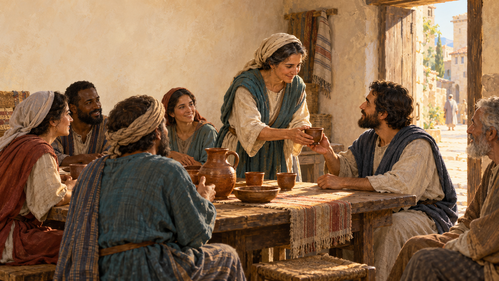
The church isn't simply another organization that needs competent people to keep things running. We are God's household, a community brought together by grace and called to make the truth of the gospel visible in the world. Think about what that means.
When people encounter the church, they should discover something of the God we proclaim. They should see people learning to love one another, exercising patience, practicing forgiveness, serving without demanding recognition, and treating others with dignity. Our shared life should give credibility to the message we proclaim. Of course, we won't always get this right. Church leaders make mistakes. Congregations experience conflict. Even faithful disciples sometimes struggle to reflect the character of Christ.
Paul's instructions aren't a demand for flawless people. They're a reminder that spiritual maturity, integrity, and accountability cannot be treated as optional. And when we fall short, the answer isn't to abandon the calling. It's to respond honestly to God's grace through repentance, renewed obedience, and continued growth in holiness.
Paul concludes the chapter with a brief declaration of the mystery of godliness, centered entirely on Jesus Christ. Christ was revealed in the flesh, vindicated by the Spirit, proclaimed among the nations, believed in throughout the world, and taken up in glory.
After all those instructions about Christian character, Paul brings us back to the One who makes Christian holiness possible. Jesus is both the foundation of our faith and the pattern for our lives.
The church doesn't become holy by carefully maintaining an impressive appearance. We become holy as the Spirit forms the character of Christ within us, and that transforming grace becomes visible in the way we live together.
For those entrusted with leadership, this is a serious responsibility. For the rest of the church, it's no less significant. Because every one of us represents something greater than ourselves.
People are watching how we speak, how we treat one another, how we handle disagreements, and how we respond when life becomes difficult. Not because we need to earn their approval, but because our lives are part of the witness of God's household.
Our calling is to become the kind of people whose lives help others recognize the Jesus we proclaim. And by God's grace, that transformation is already underway.
Faith In Action
Read 1 Timothy 3:1–13 again, paying attention to the character qualities Paul identifies. Choose one quality where you recognize the Holy Spirit calling you toward deeper Christlikeness. Pray about it, then intentionally practice that quality in one conversation or interaction today.
Today's Prayer
Gracious God, thank you for welcoming us into your household and making us part of your Church. Forgive us for the times we've placed greater importance on ability, appearance, or accomplishment than on the character you desire to form within us. Through your Holy Spirit, continue the work of transforming our hearts and lives into the likeness of Jesus Christ. Give wisdom, humility, and integrity to those entrusted with leadership, and help every member of your Church embrace the calling to holy living. May our words, our relationships, and our service faithfully reflect the grace we've received, so that others might recognize your love through us. In Jesus' name, Amen.
Posted in Bible Reading Plan 2026
Recent
Categories
Archive
2026
January
My Word for the Year... LIGHT2026 Reading Plan Reflections - Day 12026 Reading Plan Reflections - Day 22026 Reading Plan Reflections - Day 32026 Reading Plan Reflections - Day 42026 Reading Plan Reflections - Day 5Welcome to 2026 - New Resources2026 Reading Plan Reflections - Day 62026 Reading Plan Reflections - Day 72026 Reading Plan Reflections - Day 8New Year Prayer Focus2026 Reading Plan Reflections - Day 92026 Reading Plan Reflections - Day 102026 Reading Plan Reflections - Day 112026 Reading Plan Reflections - Day 122026 Reading Plan Reflections - Day 132026 Reading Plan Reflections - Day 142026 Reading Plan Reflections - Day 152026 Reading Plan Reflections - Day 16Darkness and Light2026 Reading Plan Reflections - Day 172026 Reading Plan Reflections - Day 182026 Reading Plan Reflections - Day 192026 Reading Plan Reflections - Day 202026 Reading Plan Reflections - Day 212026 Reading Plan Reflections - Day 222026 Reading Plan Reflections - Day 232026 Reading Plan Reflections - Day 242026 Reading Plan Reflections - Day 252026 Reading Plan Reflections - Day 262026 Reading Plan Reflections - Day 272026 Reading Plan Reflections - Day 282026 Reading Plan Reflections - Day 292026 Reading Plan Reflections - Day 30Together as the Body of Christ2026 Reading Plan Reflections - Day 31
February
2026 Reading Plan Reflections - Day 322026 Reading Plan Reflections - Day 332026 Reading Plan Reflections - Day 342026 Reading Plan Reflections - Day 352026 Reading Plan Reflections - Day 362026 Reading Plan Reflections - Day 37This Shouldn’t Need to Be Said...2026 Reading Plan Reflections - Day 382026 Reading Plan Reflections - Day 392026 Reading Plan Reflections - Day 402026 Reading Plan Reflections - Day 412026 Reading Plan Reflections - Day 422026 Reading Plan Reflections - Day 432026 Reading Plan Reflections - Day 442026 Reading Plan Reflections - Day 452026 Reading Plan Reflections - Day 462026 Reading Plan Reflections - Day 472026 Reading Plan Reflections - Day 482026 Reading Plan Reflections - Day 492026 Reading Plan Reflections - Day 502026 Reading Plan Reflections - Day 512026 Reading Plan Reflections - Day 522026 Reading Plan Reflections - Day 532026 Reading Plan Reflections - Day 542026 Reading Plan Reflections - Day 552026 Reading Plan Reflections - Day 562026 Reading Plan Reflections - Day 572026 Reading Plan Reflections - Day 582026 Reading Plan Reflections - Day 59
March
2026 Reading Plan Reflections - Day 602026 Reading Plan Reflections - Day 612026 Reading Plan Reflections - Day 622026 Reading Plan Reflections - Day 632026 Reading Plan Reflections - Day 642026 Reading Plan Reflections - Day 652026 Reading Plan Reflections - Day 662026 Reading Plan Reflections - Day 672026 Reading Plan Reflections - Day 682026 Reading Plan Reflections - Day 692026 Reading Plan Reflections - Day 702026 Reading Plan Reflections - Day 712026 Reading Plan Reflections - Day 722026 Reading Plan Reflections - Day 732026 Reading Plan Reflections - Day 742026 Reading Plan Reflections - Day 752026 Reading Plan Reflections - Day 762026 Reading Plan Reflections - Day 772026 Reading Plan Reflections - Day 782026 Reading Plan Reflections - Day 792026 Reading Plan Reflections - Day 802026 Reading Plan Reflections - Day 812026 Reading Plan Reflections - Day 822026 Reading Plan Reflections - Day 832026 Reading Plan Reflections - Day 84
April
2026 Reading Plan Reflections - Days 85 & 862026 Reading Plan Reflections - Day 872026 Reading Plan Reflections - Day 882026 Reading Plan Reflections - Day 892026 Reading Plan Reflections - Day 902026 Reading Plan Reflections - Day 912026 Reading Plan Reflections - Day 922026 Reading Plan Reflections - Day 932026 Reading Plan Reflections - Day 942026 Reading Plan Reflections - Day 95
No Comments